The Bahrain US base drone strike has intensified fears of a wider Middle East war, with Iran launching another wave of drones against American military facilities as diplomatic efforts between Tehran and Washington remain stalled. The latest assault has increased uncertainty across the Gulf, where military tensions, threats to vital shipping routes and renewed fighting in Yemen are creating fresh risks for regional stability.
The attack took place on Sunday, November 15, just three days after another Iranian drone operation against a US radar installation in Bahrain. Although Bahraini air defence systems intercepted the incoming drones before they reached their targets, the incident demonstrated that the confrontation between Iran and the United States remains far from over.
Iran’s Islamic Revolutionary Guards Corps (IRGC) said it deployed six drones against a US air defence radar facility at the Al-Rifaa helicopter base. The Guards described the operation as retaliation for what they called hostile American actions against Iranian territory.
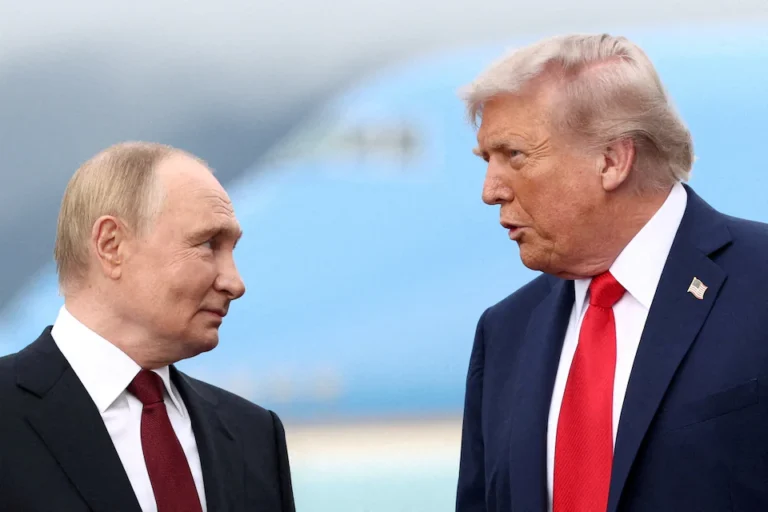
The latest attack also came amid growing pessimism about the possibility of renewed negotiations, particularly after US President Donald Trump indicated that Washington was no longer pursuing a deal with Tehran.
With both countries maintaining hardline positions, the danger of further military exchanges appears to be increasing.
Iran targets American military infrastructure in Bahrain
The Revolutionary Guards said the drones were directed at an American radar installation at the Al-Rifaa helicopter base in Bahrain. The operation was presented as a response to recent US military strikes against Iranian targets.
Bahraini authorities, however, said their air defence systems successfully intercepted the drones before they could reach the intended location.
The incident triggered sirens and emergency alerts across parts of the country, with authorities advising residents to seek shelter. The renewed security warnings revived fears among Bahrainis that their country could become increasingly exposed to the consequences of the confrontation between Tehran and Washington.
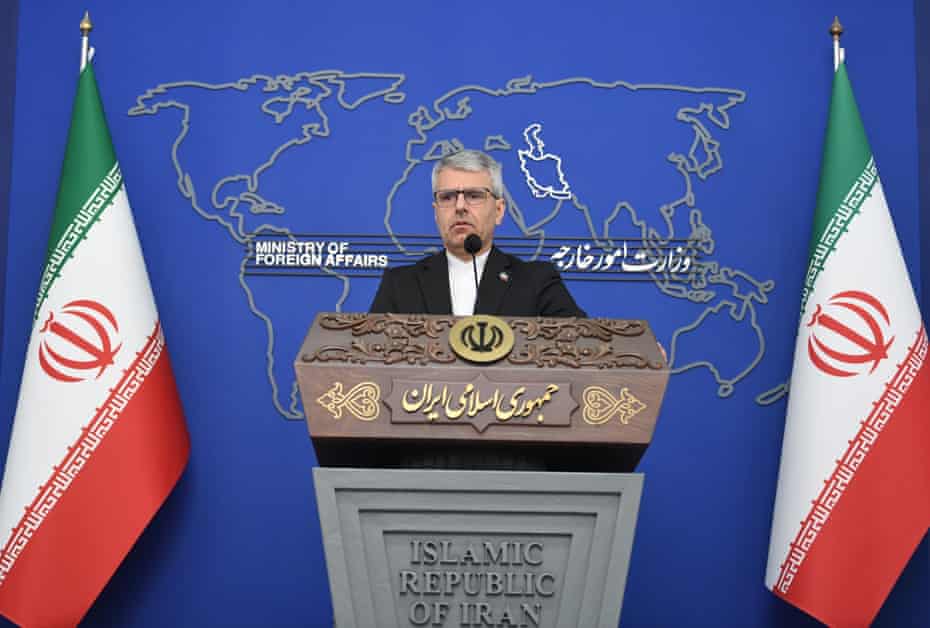
Iranian foreign ministry spokesperson Esmaeil Baghaei defended his country’s response during a press conference in Tehran. He said Iran would continue to respond to military aggression by the United States or other countries.
Asked whether the latest attacks represented a change in Tehran’s position while negotiations with Washington remained stalled, Baghaei said Iran was “not waiting for anyone” and was concentrating on its national security.
His remarks suggested that Iran was prepared to continue its military response regardless of whether diplomatic discussions resumed.
The latest operation followed several American strikes against Iranian targets in recent weeks, including attacks on Qeshm Island in the strategically important Strait of Hormuz.
The United States has maintained that its military actions are limited, but the repeated exchanges have made it increasingly difficult to contain the confrontation.
Trump signals reduced interest in negotiations with Tehran
The diplomatic situation has become more complicated following Trump’s recent statements about the possibility of reaching an agreement with Iran.
The American president had previously described the latest US strikes as minor operations. He also disclosed that Saudi Arabia and other Gulf countries had cautioned him against launching large-scale military operations against Iran.
However, Trump subsequently said Washington was no longer seeking a deal with Tehran. He also reportedly instructed Vice-President JD Vance to redirect his attention towards allegations of corruption and fraud in Democratic-controlled cities and states.
Read also: Rosebank oilfield approval sparks Labour rebellion as 75 MPs challenge Burnham
https://swiftreportnow.com/rosebank-oilfield-approval-sparks-labour-reb/
The development raised questions about the administration’s commitment to diplomatic efforts at a time when military tensions were increasing.
Vance had reportedly requested a personal meeting with Iranian negotiators to discuss possible terms for peace. His intervention had offered some hope that direct engagement could help reduce tensions.
However, the vice-president also blamed the Republican Party’s losses in the midterm elections on the Iran war, highlighting the domestic political difficulties surrounding the conflict.
The war began in February following joint military attacks by the United States and Israel against Iran. Since then, the confrontation has developed into a wider regional crisis involving military operations, maritime restrictions and threats to important energy routes.
The United States continues to maintain a naval blockade, while Iran retains its ability to disrupt movement through the Strait of Hormuz.
Bahrain’s strategic importance makes the attacks significant
Bahrain occupies a crucial position in the American military presence across the Middle East. The country hosts important US military facilities, including installations associated with the US Fifth Fleet and US Naval Forces Central Command.
These facilities serve as major operational and logistical centres for American naval activities throughout the region.
Consequently, attacks targeting American military installations in Bahrain carry significance beyond the immediate damage or casualties they might cause. They raise the possibility that a conflict involving Iran and the United States could increasingly affect other Gulf countries.
Iran had repeatedly targeted Bahrain during the earlier stages of the confrontation, but the attacks subsided from September before resuming on Friday.
During that earlier incident, Iranian drones were directed towards a US radar facility. US Central Command said American forces intercepted two drones, with no reported injuries or damage.
Sunday’s attack marked another escalation after the brief period of relative calm.
The Bahrain US base drone strike also underlined the vulnerability of military installations in countries hosting American forces, particularly when Tehran considers those facilities part of the infrastructure supporting US operations against Iran.
A resident of Bahrain, 65-year-old Hayat Ibrahim, told Agence France-Presse that she had hoped Iranian attacks would not resume, expressing concern about the fear and uncertainty they bring.
Her comments reflected the anxiety among civilians who could face the consequences of military operations despite having no direct involvement in the conflict.
Bahrain condemns Iran as Arab countries offer support
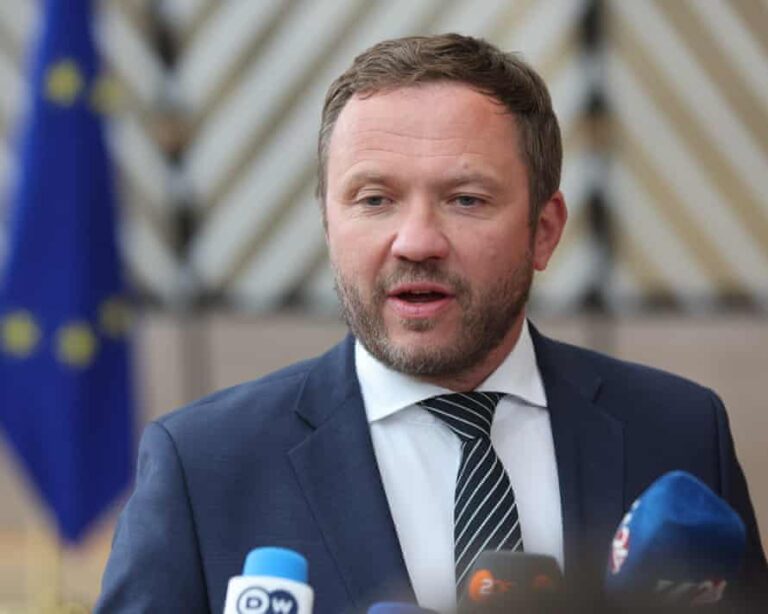
Bahrain’s foreign ministry strongly condemned Sunday’s attacks, describing them as “heinous aggression” and a flagrant violation of international law.
The kingdom rejected Iran’s explanations for targeting its territory, dismissing Tehran’s claims as baseless.
In its statement, the government also warned against turning Bahrain into an arena for settling disputes between other countries. It held Iran responsible for the attacks and their consequences.
The reaction highlighted Bahrain’s opposition to becoming directly involved in the confrontation between Tehran and Washington, particularly as the country hosts important American military installations.
Several Arab governments also condemned the latest Iranian operation and expressed solidarity with Bahrain.
Jordan, Egypt, Saudi Arabia and Qatar were among the countries that criticised the attacks.
Their responses reflected wider regional concerns that continued military exchanges could draw additional countries into the conflict.
For Gulf governments, the risks extend beyond the possibility of direct attacks. Prolonged instability could threaten energy infrastructure, disrupt maritime transportation, increase shipping costs and place pressure on international oil markets.
The situation is particularly sensitive because several countries in the region depend heavily on the safe movement of oil and gas through strategic waterways.
Iran claims mines sank oil supertanker in Strait of Hormuz
Another worrying development emerged from the Strait of Hormuz, where Iran’s Revolutionary Guards claimed that two ships had struck mines.
According to the Guards, the vessels suffered massive explosions and fires. One of them was reportedly an oil supertanker carrying approximately two million barrels of crude oil, which the Iranian military organisation claimed had sunk.
However, there was no immediate independent confirmation of the incident. The claims had not been independently verified at the time of the report.
The United States military had recently announced that it had cleared mines from the main shipping routes through the waterway, making Iran’s latest announcement particularly significant.
The Strait of Hormuz is one of the world’s most important energy transportation routes. Large quantities of oil and gas from Gulf producers pass through the narrow waterway before reaching international markets.
Any confirmed disruption could have serious consequences for global energy supplies, potentially increasing oil prices and affecting countries that depend on imported fuel.
The continuing confrontation has already placed pressure on maritime security, with the US naval blockade and Iran’s restrictions creating uncertainty for commercial shipping.
A prolonged interruption to traffic through the strait could also affect international trade far beyond the Middle East.
Houthi advances in Yemen create another regional challenge
While tensions continued in the Gulf, developments in Yemen added another source of instability.
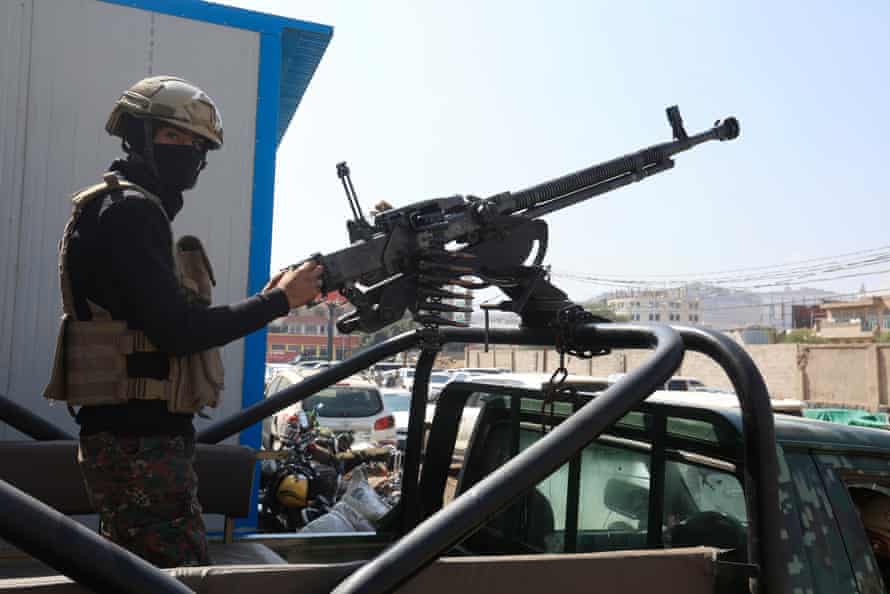
Iran-aligned Houthi forces advanced against troops supporting Yemen’s government in the south, raising concerns that the rebels could open a route towards Aden.
The advances followed difficulties in a Saudi-backed military campaign intended to push Houthi forces away from strategically important areas near the Red Sea.
Government-aligned forces reportedly withdrew from the Bab el-Mandeb area and repositioned towards Aden, a major city on Yemen’s southern coast.
The Southern Armed Forces confirmed the redeployment in a statement, announcing that troops were being moved from Dhubab Airport and the Bab el-Mandeb area, west of Taiz Governorate.
The withdrawal appeared to signal a setback for a six-week counteroffensive designed to drive the Houthis away from the entrance to the Red Sea.
The Bab el-Mandeb Strait is strategically important because it connects the Red Sea with the Gulf of Aden and provides a major shipping passage towards the Suez Canal.
Any deterioration in security around the waterway could further complicate international shipping, particularly if the instability in Yemen coincides with disruptions in the Strait of Hormuz.
Agence France-Presse also reported that a Houthi missile strike near Aden killed people and injured 12 others, citing military and government sources.
The developments indicate that the regional crisis is unfolding across several interconnected fronts, with the activities of Iran-aligned groups adding to the difficulties facing governments seeking to contain the conflict.
Middle East faces growing danger as peace efforts stall
The combination of Iranian attacks, American military operations, maritime threats and renewed fighting in Yemen has deepened concerns about the future of regional security.
The conflict has remained at an impasse since February, with Washington maintaining its naval blockade and Tehran continuing to exert pressure over the Strait of Hormuz.
Although Vice-President Vance had reportedly sought direct discussions with Iranian representatives, Trump’s latest position has raised doubts about whether the American administration is prepared to pursue negotiations in the immediate future.
Iran, meanwhile, has made clear that it intends to respond to military actions against its territory.
The renewed attacks on Bahrain demonstrate how the confrontation could affect countries beyond the immediate battlefield, particularly those hosting American military facilities.
For Gulf governments, preventing further escalation is becoming increasingly urgent. They face the challenge of protecting their territories, maintaining economic stability and avoiding direct involvement in a conflict that could threaten critical infrastructure and international trade.
The Guardian, reporting on the developments with additional information from Agence France-Presse and the Associated Press, said the latest incidents had further darkened prospects for a diplomatic breakthrough.
With no clear path towards a ceasefire, continued military exchanges and mounting pressure on vital shipping routes, the Middle East remains exposed to the risk of a much wider confrontation.
About The Author