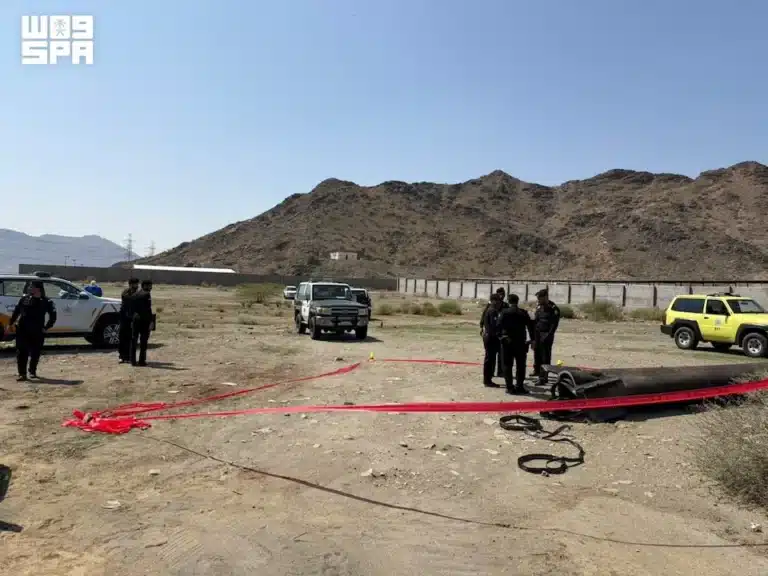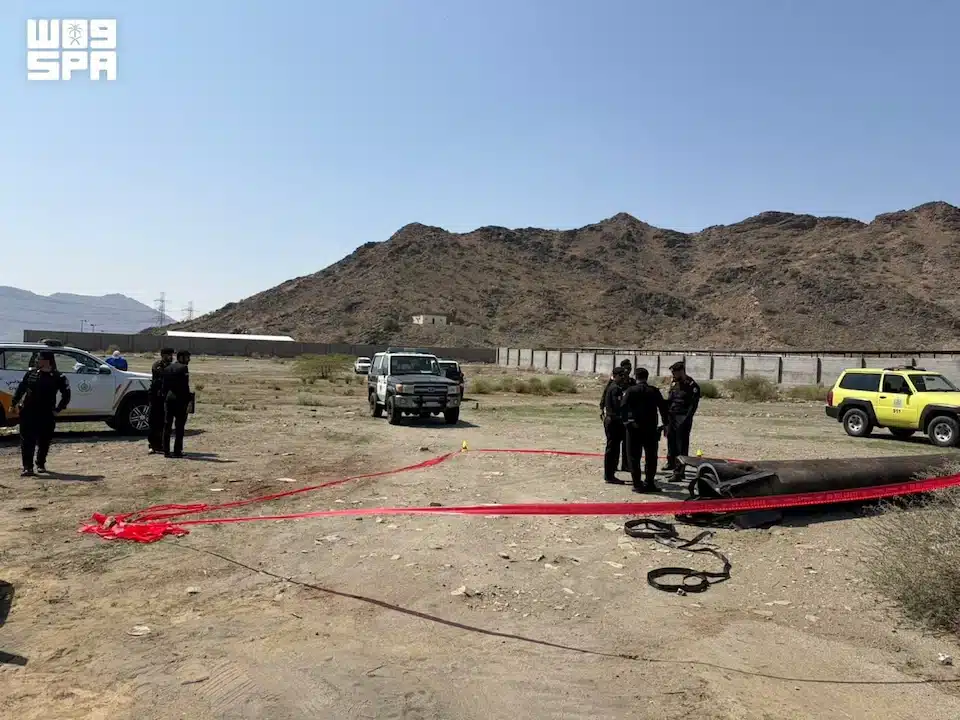
The Houthis claim attacks on Saudi oil pipeline (pumping) stations and Riyadh airport as escalating hostilities threaten critical energy infrastructure, disrupt regional oil supplies and raise fears that the conflict could spread further across the Middle East.
Yemen’s Iran-aligned Houthi movement announced on Monday, October 26, that it had targeted Saudi Arabia’s East-West crude oil pumping stations and King Khalid International Airport in Riyadh. Saudi authorities had not immediately confirmed the reported attacks.
The claims came as Saudi Arabia intensified military operations against Houthi positions inside Yemen, with both sides exchanging attacks amid growing tensions around strategic shipping routes and vital oil infrastructure.
The latest escalation threatens to deepen an already volatile regional crisis, particularly as the Strait of Hormuz remains largely closed amid the wider war, increasing the importance of alternative routes for exporting Middle Eastern crude oil.
Houthis Claim Attacks on Saudi Oil Infrastructure
The Houthis said their latest operations targeted Saudi Arabia’s East-West pipeline pumping stations, a major component of the kingdom’s oil transportation network.
The 1,200-kilometre pipeline connects oil-producing areas in eastern Saudi Arabia with the Red Sea coast, providing an alternative export route when shipments through the Persian Gulf face disruption.
Saudi Arabia temporarily shut down the pipeline in September as a precaution following a drone attack that Riyadh and Baghdad said originated in Iraq.
With the Strait of Hormuz largely shut by the wider conflict, the pipeline has become particularly important to efforts to maintain oil exports without relying on the vulnerable maritime passage.
The Houthis had also claimed on Saturday that they targeted the pipeline, crude oil pumping stations, an Aramco facility in Yanbu and the Rabigh refinery.
However, Saudi Arabia did not immediately confirm those reported attacks. The claims therefore remain unverified by the kingdom or independently established in the information available.
Any significant damage to Saudi oil infrastructure could add pressure to global energy markets, especially if disruptions affect the kingdom’s ability to transport crude oil to export terminals on the Red Sea.
Why the East-West Pipeline Matters
Saudi Arabia’s East-West pipeline provides a strategic alternative to shipping crude oil through the Strait of Hormuz, a narrow waterway connecting the Persian Gulf to the Gulf of Oman.
The strait is one of the world’s most important energy transit routes, and the ongoing conflict has severely disrupted its normal operations.
By moving crude oil across the kingdom to the Red Sea, the pipeline helps reduce dependence on Gulf shipping routes that could be threatened by military activity.
The Houthis’ claims of attacks on the pumping stations therefore carry significance beyond Yemen and Saudi Arabia, particularly if the reported operations threaten the alternative route.
Nevertheless, the actual extent of any damage remains unclear because Saudi authorities had not confirmed the latest Houthi claims.
Riyadh Airport Targeted Amid Continuing Security Concerns
The Houthis also said they had attacked King Khalid International Airport in Riyadh, raising further concerns about the security of Saudi Arabia’s civilian aviation infrastructure.
The airport had resumed operations at two terminals on Sunday following an earlier attack claimed by the group this month.
That previous assault reportedly killed 13 people, making it the deadliest attack in Saudi Arabia in more than a decade, according to the Reuters report.
The latest claim follows repeated Houthi missile and drone operations against Saudi airports, ports and oil installations, placing pressure on a kingdom that is a close ally of the United States.
Saudi Arabia had not immediately confirmed the alleged airport attack announced on Monday.
The absence of immediate confirmation means the latest claim should not be treated as an independently verified strike. However, the earlier deadly incident has heightened concern about the potential consequences of further attacks on aviation facilities.
Disruption at a major international airport could affect passenger travel, airline schedules and regional transport connections, depending on the nature and scale of any confirmed incident.
Read also: Xi Jinping’s anti-corruption crackdown intensifies as China’s leadership meeting raises questions about party loyalty
https://swiftreportnow.com/xi-jinpings-anti-corruption-crackdown-intensi/
Saudi-Led Coalition Destroys Missile Launchers in Yemen
While the Houthis announced their claims against Saudi targets, the Saudi-led coalition said it had destroyed two ballistic missile launchers in Yemen’s capital, Sanaa.
According to the coalition, one of the launchers had been used to fire a missile towards Riyadh that Saudi forces intercepted.
The announcement highlighted the continuing exchange of missile attacks and military operations between the opposing sides.
On Monday, the coalition also reported carrying out a broader operation against Houthi military infrastructure inside Yemen.
Coalition spokesperson Turki al-Maliki said the operation destroyed five tunnels used to store ballistic missiles, four missile launchers and a missile storage facility.
The military action also targeted Houthi supply lines, fighters and equipment positioned along front lines within Yemen.
Al-Maliki said the coalition would continue taking what he described as “deterrent operational measures” to protect civilians.
The reported destruction of missile infrastructure suggests that Saudi Arabia is seeking to reduce the Houthis’ ability to launch further attacks against targets inside the kingdom.
However, the continuing claims and counterclaims indicate that military operations have not yet brought the latest escalation under control.
Saudi Strikes Intensify as Houthis Advance Towards Bab el-Mandeb
Saudi Arabia has intensified its strikes against the Houthis since the group captured strategic areas along Yemen’s Red Sea coast last month.
The Houthi advance towards the Bab el-Mandeb Strait has increased concerns about the security of international shipping and energy transportation.
Bab el-Mandeb connects the Red Sea with the Gulf of Aden and serves as a critical maritime passage for vessels travelling between Europe and Asia through the Suez Canal.
Its importance to global trade makes any threat to shipping in the area a concern for energy producers, commercial operators and governments that depend on uninterrupted maritime transportation.
The strait lies on the opposite side of the Arabian Peninsula from the Strait of Hormuz, meaning insecurity around both passages could create significant complications for regional energy exports.
The latest fighting has therefore raised concerns that the conflict could threaten multiple strategic routes used by oil producers and international shipping companies.
For Saudi Arabia, the Houthi movement’s position along Yemen’s western coastline presents both a military challenge and a potential threat to the kingdom’s wider economic and security interests.
Iran, Saudi Arabia and Regional Powers Prepare for Talks
Amid the escalating attacks, senior officials from Saudi Arabia, Turkey and Pakistan are expected to meet Iranian officials in Tehran on Monday to discuss regional coordination.
Two people familiar with the matter told Reuters about the planned meeting.
The discussions would represent the first high-level contact between Iran and all three members of the Mecca Pact bloc since Saudi Arabia came under escalating attacks from Yemen’s Iran-aligned Houthis.
The meeting could provide an opportunity for regional governments to discuss the widening conflict, although the available report did not establish whether the talks would produce an agreement to reduce hostilities.
Iran’s relationship with the Houthis has become an important factor in regional security calculations, while Saudi Arabia has been directly affected by attacks attributed to the Yemeni movement.
Turkey and Pakistan’s participation could provide an additional diplomatic channel as governments seek to manage the consequences of the wider Middle East conflict.
The proposed discussions come at a critical moment, with attacks on oil infrastructure, missile operations and concerns over international shipping adding pressure on regional leaders.
Latest Escalation Threatens Yemen’s Fragile Truce
The renewed fighting has effectively shattered a United Nations-brokered truce that had largely held since 2022.
Saudi Arabia led a coalition into Yemen’s civil war in 2015 to support the internationally recognised government, a year after the Houthis seized Sanaa, the country’s capital.
The conflict has since drawn in regional powers and created persistent security threats across Yemen and neighbouring countries.
Although the truce reduced large-scale cross-border fighting for a period, the latest escalation has demonstrated how quickly the situation can deteriorate when strategic territory, missile capabilities and regional rivalries converge.
Saudi military strikes have intensified following Houthi advances near the Red Sea coast, while the group has continued to announce attacks against Saudi targets.
The competing operations have raised concerns about further damage to infrastructure and increased risks to civilians.
The possibility of continued attacks against oil facilities also creates uncertainty for energy markets, particularly while the Strait of Hormuz remains severely disrupted by the wider war.
Oil Supplies and Regional Security Remain at Risk
The reported attacks on Saudi pumping stations and Riyadh airport underline the growing risks facing critical infrastructure across the Middle East.
Saudi Arabia’s ability to transport crude oil through alternative routes has become increasingly important as maritime disruptions affect the region’s traditional export channels.
If attacks on the East-West pipeline are confirmed to have caused substantial damage, the consequences could extend beyond Saudi Arabia, potentially affecting oil transportation and adding uncertainty to already strained energy markets.
However, the immediate impact cannot be determined without confirmation of the alleged attacks and an assessment of any physical damage.
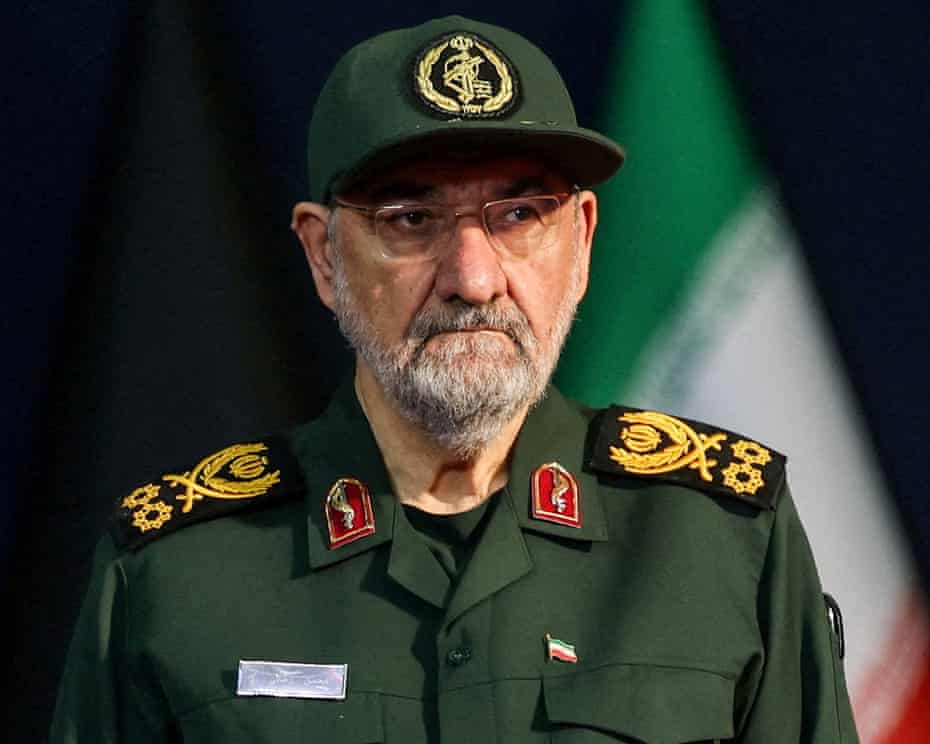
For now, the Saudi-led coalition is continuing military operations against Houthi positions, while the Houthis maintain their claims of attacks against strategic targets inside the kingdom.
The planned talks in Tehran may offer an opportunity for regional coordination, but the latest exchanges show that the conflict remains volatile.
With oil infrastructure, airports and major shipping routes exposed to growing security threats, the direction of the next phase of the fighting could have consequences for regional stability and international energy supplies.
About The Author