Ukraine civilian casualties rise 85% as Russian missile and drone attacks intensify, according to newly released United Nations figures, raising fresh concerns about the growing danger facing ordinary Ukrainians as winter approaches and Kyiv struggles with shortages of air-defence weapons.
The figures show that 328 civilians were killed and 2,105 injured in September 2026. The number of casualties was 85 per cent higher than in September last year, highlighting the mounting human cost of Russia’s continuing invasion.
The findings also challenge recent remarks by US President Donald Trump, who described Russia’s conduct in the war as “fine” and claimed Moscow was “not doing that much” in Ukraine. The figures present a starkly different picture of the violence affecting civilian communities.
UN Figures Reveal Rising Civilian Deaths in Ukraine
The United Nations figures indicate that civilian casualties have increased significantly throughout 2026, with attacks reaching communities far beyond the immediate front lines.
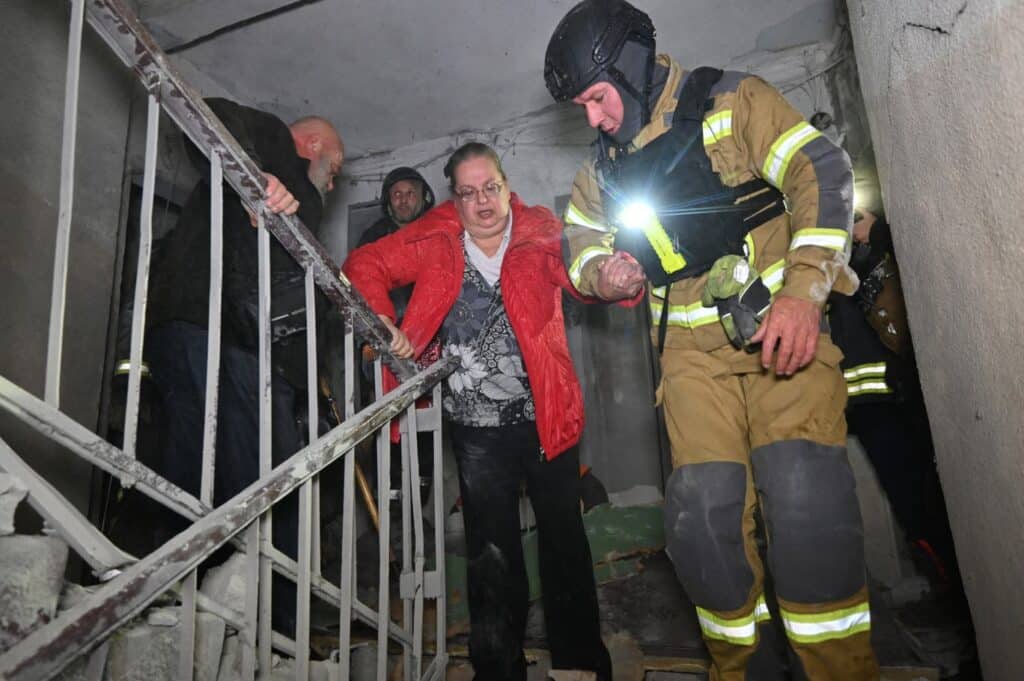
Between January and September, civilian deaths increased by 32 per cent compared with the corresponding period in 2025. Injuries rose by 65 per cent, suggesting that the effects of the conflict on ordinary people have continued to worsen.
Missiles and long-range drones accounted for 53 per cent of civilian casualties recorded in September, while short-range drones were responsible for another 23 per cent.
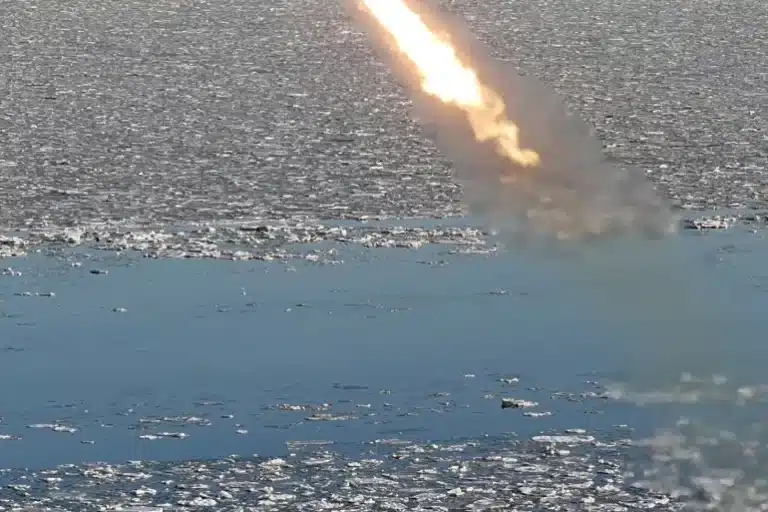
The attacks have involved several types of weapons, including first-person-view drones, ballistic missiles, long-range glide bombs and newer jet-powered Shahed drones.
These weapons have exposed residential neighbourhoods, public spaces and everyday activities to increasingly serious risks, leaving civilians vulnerable while going about their normal routines.
Children and Elderly People Among the Victims
The reported attacks have killed and injured people of different ages, including children, parents and elderly residents.
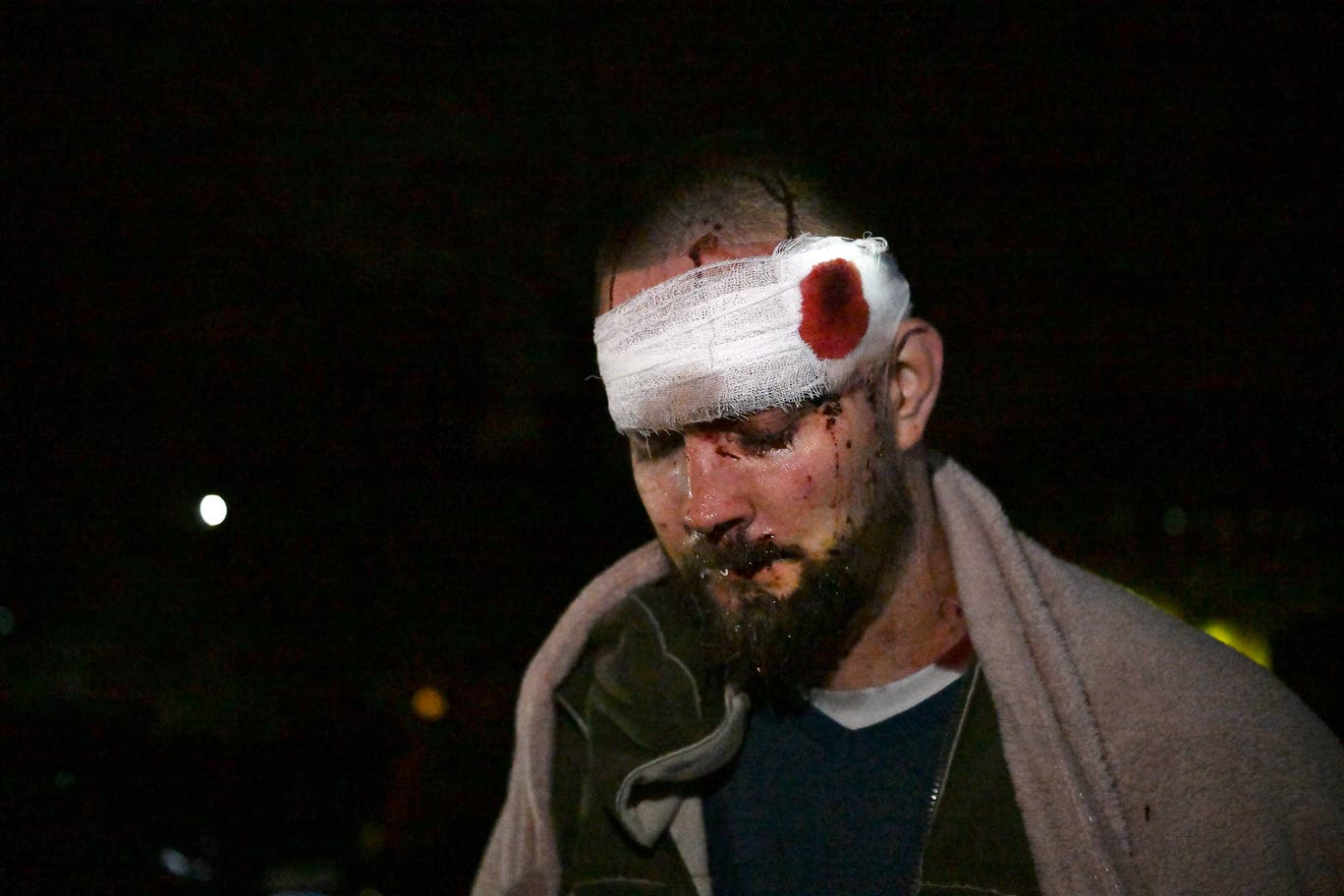
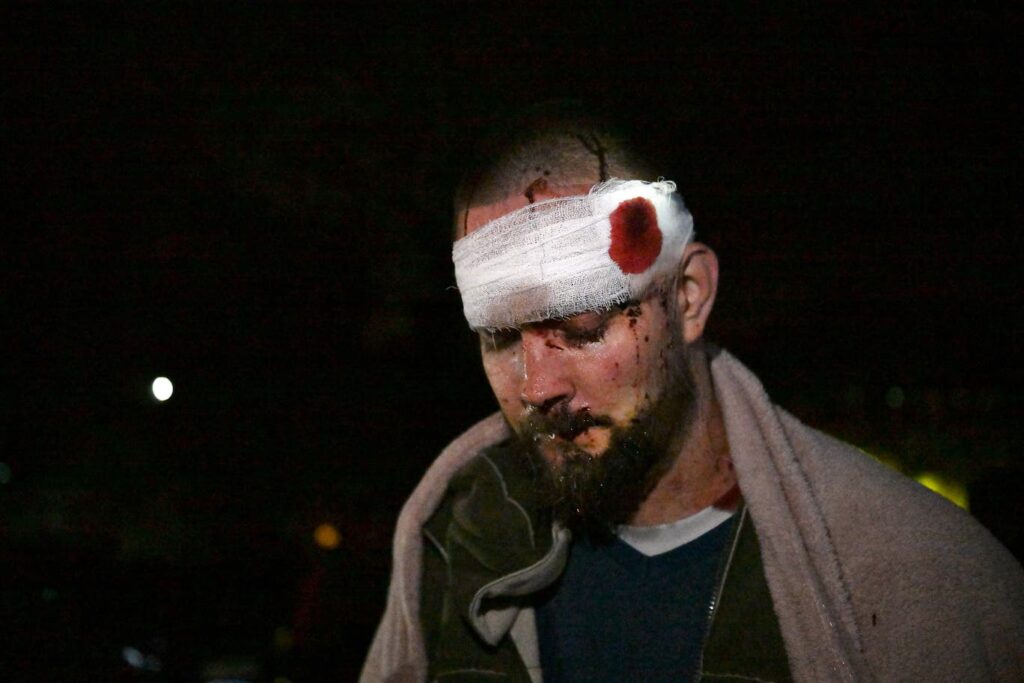
On 14 October, a Russian missile struck a residential building in Kyiv’s Desnyansky district, killing two people and injuring 21 others. An eight-year-old child was among those wounded.
Another attack near Kharkiv reportedly killed at least 10 people, including a baby, the infant’s mother and an 11-year-old girl.
The violence has also affected communities in Chernihiv, Kramatorsk, Zaporizhzhia and Lutsk, demonstrating the geographical spread of attacks against populated areas.
In Chernihiv, north of Kyiv, missile strikes reportedly killed 22 people when homes were targeted. In and around Kramatorsk, glide bombs killed 33 people in attacks involving two buses.
Five bombs that struck apartment blocks in Zaporizhzhia reportedly killed another 23 people, while an attack in Lutsk, near the Polish border, killed six people at a market earlier in October.
The incidents illustrate how civilians remain exposed to deadly attacks in homes, public transport, markets and other locations where people gather.
Russia’s ‘Hunting Drone’ Attacks Spread Beyond the Front Lines
One of the most disturbing developments described in the report is the use of short-range drones to pursue individual civilians in areas affected by fighting.
These attacks have been described as “hunting drone safaris”, reflecting the reported use of remotely controlled aircraft to locate and strike people moving through streets or open spaces.
The tactic was previously associated particularly with frontline areas such as Kherson. However, the report says the threat has spread to other cities, including Kharkiv, Sloviansk and Kramatorsk.
In these attacks, operators can use camera-equipped drones to observe people from a distance and direct weapons towards individuals on the ground.
The danger has forced residents to change their daily behaviour, with some listening constantly for the distinctive buzzing of approaching drones and searching for shelter whenever they suspect an attack is imminent.
Kherson Residents Live Under Constant Threat
Oleksandr Tolokonnikov, deputy leader of the local administration in Kherson, described how residents have developed routines intended to help them survive the continuing danger.
“People are constantly listening to the sounds around them. If they hear a buzzing sound, they understand that a drone may be nearby and try to find shelter as quickly as possible. If they hear artillery firing… they also try to hide,” he said.
Tolokonnikov also warned that the danger extends to the ground beneath residents’ feet because Russian forces are reportedly dropping mines remotely.
“Another habit is constantly watching where you step. Russians are remotely dropping mines, so even a normal walk along the street can be dangerous,” he explained.
He added that people must continually monitor their surroundings, listen for threats and remember where the nearest shelter is located.
“These are the habits people have developed to survive in our city,” Tolokonnikov said.
His account illustrates how persistent attacks can transform ordinary activities, including walking along a street, into potentially life-threatening experiences.
Kyiv Faces Relentless Air Raids and Infrastructure Disruption
The growing threat is also affecting Ukraine’s capital, where residents are dealing with repeated air-raid alerts, explosions and interruptions to essential services.
Oleksandr Merezhko, chair of the Ukrainian parliament’s foreign affairs committee, said life had become increasingly difficult in Kyiv and other cities.
“Life in Kyiv and other cities is getting harder because we have air raids non-stop,” he said. “There are constant sounds of explosions, power cuts and sometimes water disappears.”
The disruption to electricity and water supplies compounds the dangers created by direct attacks. Residents must contend not only with the immediate risk of being struck but also with the consequences of damaged infrastructure.
The latest attacks have also reached parts of western Ukraine that were previously considered relatively safer because of their distance from the main battle areas.
The reported strike in Lutsk, close to the Polish border, underlines the growing uncertainty facing communities across the country.
Meanwhile, an attack involving cluster bombs in Kyiv’s historic centre prompted President Volodymyr Zelenskyy to warn that Russian forces were preparing further attacks against Ukrainians.
Zelenskyy Warns of More Russian Attacks as Air Defence Supplies Slow
Zelenskyy said Ukrainian intelligence had identified Russian priorities for further attacks in the coming weeks, warning that Moscow could be taking advantage of delays in the supply of air-defence weapons.
“Our intelligence services report that Russia has set priorities for further terror against Ukrainians in the coming weeks. Russia is clearly taking advantage of the slowdown in air defence supplies from our partners,” the Ukrainian president said.
He also argued that easing pressure on Russia could encourage the Kremlin to believe its military objectives remained achievable.
“It is equally clear that when some partners ease the pressure on Russia, it only reinforces Putin’s belief that his goals are within reach. We need different signals and different steps, stronger ones,” Zelenskyy added.
Ukraine’s ability to intercept incoming missiles and drones has reportedly been constrained by shortages of US-made Patriot missiles and other air-defence systems.
These shortages have increased concerns about the country’s capacity to protect populated areas as Russian attacks continue and the winter season approaches.
Starlink Restrictions Raise Questions About Ukraine’s Drone Defences
The report also highlights controversy surrounding restrictions affecting Starlink satellite terminals used by Ukrainian forces.
According to the account, Ukrainian anti-missile systems rely on Starlink connectivity to operate while moving at high speeds to intercept incoming jet-powered Shahed missiles.
The report says terminals used in these systems were recently restricted to speeds of 160 kilometres per hour, despite some interception systems needing to travel at more than 300 kilometres per hour.
A senior source on the front lines told The Independent that as many as 60 per cent of offensive short-range drones had been rendered inoperable by what the source described as US interference with Ukraine’s weapons systems.
That figure represents an attributed claim from a source familiar with the situation, rather than an independently established assessment presented in the article.
Trump has insisted that Starlink connectivity has been restored, but the report says the claimed restoration has not resolved the concerns being expressed on the ground.
The dispute has added another dimension to Ukraine’s military difficulties at a time when the country is struggling to maintain adequate protection against incoming attacks.
Trump’s Russia Policy Faces Renewed Scrutiny
The rise in civilian casualties has intensified scrutiny of the US administration’s approach to Russia and the war in Ukraine.
Trump recently described Russia as acting “fine” in the conflict, while his special envoy Steve Witkoff reportedly referred to Russian President Vladimir Putin as a “humanitarian”.
The civilian casualty figures cited by the report stand in sharp contrast to those characterisations, documenting a substantial increase in deaths and injuries during 2026.
The article also points to changes in US policy affecting Russia, including a diesel supply deal agreed with the Kremlin and the easing of certain financial restrictions.
Critics argue that reduced pressure on Moscow, combined with difficulties affecting Ukraine’s air-defence capabilities, could make it harder for Kyiv to protect civilians.
However, the consequences of individual policy decisions must be assessed alongside other military and operational factors affecting the conflict.
With the war continuing and winter approaching, Ukraine faces the immediate challenge of protecting its population from further missile and drone attacks while securing the weapons and international support needed to defend its cities.
i
About The Author