US President Donald Trump wants Zelenskyy replaced, saying Ukraine needs a new leader who can reach a peace agreement, as tensions escalate over a diesel supply deal with Russia and Ukrainian attacks on Russian oil refineries.
Trump made the remarks at the White House on Saturday, October 10, criticising Ukrainian President Volodymyr Zelenskyy for failing to reach a peace agreement with Moscow. His comments followed a controversial announcement concerning Russian diesel exports.
The dispute intensified after Trump announced a diesel supply agreement with Russian President Vladimir Putin. Zelenskyy condemned the decision, arguing that easing sanctions on Russian diesel could encourage Moscow to continue its military campaign against Ukraine.
The diplomatic disagreement unfolded as Russian strikes devastated the Ukrainian city of Zaporizhzhia, killing 20 people, including three children, according to the report. The attack intensified criticism of Washington’s decision to ease restrictions on Russian diesel exports.
Trump Wants Zelenskyy Replaced Over Failure to Secure Peace Deal
Trump delivered some of his strongest public criticism of the Ukrainian president while defending his administration’s approach to Russian diesel supplies and demanding an end to Ukrainian attacks on Russian energy facilities.
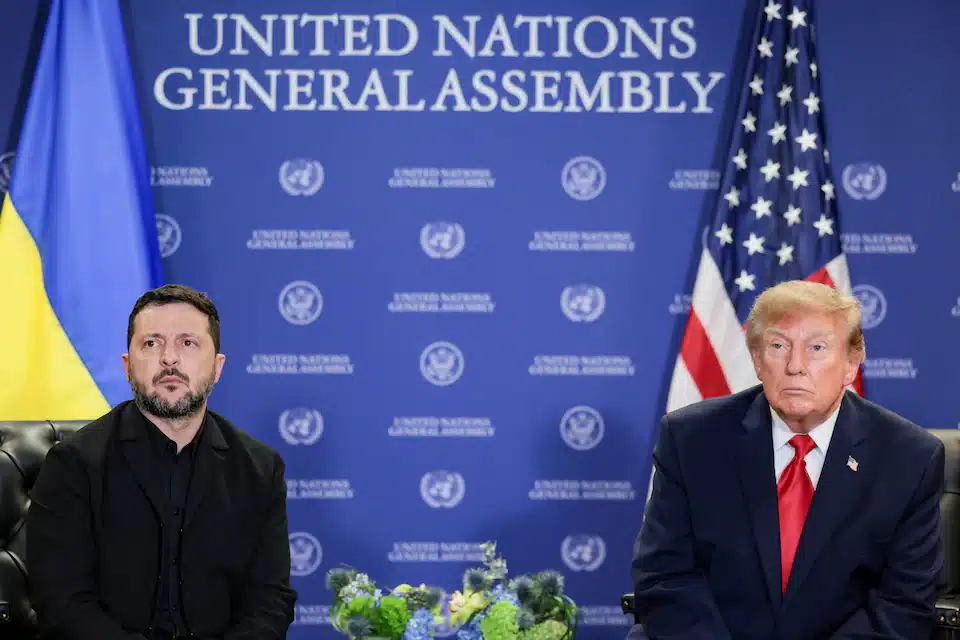
“I think it’s time for Ukraine to get a new president,” Trump told reporters at the White House.
The US president accused Zelenskyy of contributing to pressure on global fuel supplies by targeting Russian refineries, arguing that Russia plays a significant role in supplying diesel to international markets.
“He wants to make problems for our farmers, our ranchers, with diesel fuel because Russia supplies a large portion of the diesel fuel throughout the world,” Trump said.
His remarks highlighted growing disagreements between Washington and Kyiv over how to end the war, manage energy markets and determine the conditions under which sanctions against Russia should be relaxed.
Trump Demands End to Ukrainian Attacks on Russian Refineries
Trump claimed he had previously warned Zelenskyy against attacking Russian oil refineries, arguing that Ukraine should concentrate its military operations on other targets.
“I said to him, ‘Do what you want. Don’t hit refineries. There’s plenty of targets. Don’t hit refineries.’ And he went out and he hit,” Trump said.
He followed the criticism with a direct demand that Ukraine stop striking Russian energy infrastructure.
“He better damn well stop,” Trump added.
Trump also questioned Zelenskyy’s commitment to negotiations, suggesting that Ukraine’s leader had missed opportunities to reach an agreement with Moscow.
“I suggest they get a new leader who can make a deal because he could have made many deals, but for some reason he never does,” Trump said.
The comments underline the widening gap between the two leaders over military strategy and the conditions required for a potential settlement.
For Kyiv, attacks on Russian energy infrastructure form part of its broader effort to weaken Moscow’s capacity to finance and sustain the war. Trump, however, has emphasised the possible consequences for international fuel supplies and the prospects for negotiations.
Zelenskyy Criticises Trump’s Russia Diesel Deal
Zelenskyy sharply criticised Trump’s announcement of the Russia diesel deal with Putin, arguing that easing economic pressure on Moscow could encourage further attacks on Ukrainian cities.
The Ukrainian president said the decision came at a sensitive moment, as Russian forces continued striking civilian areas and diplomatic efforts to end the conflict remained uncertain.
“Today, Russia said thank you for the lifting of sanctions on diesel exports by dropping five glide bombs on residential buildings in Zaporizhzhia,” Zelenskyy said.
His statement directly linked the sanctions decision to the latest Russian bombardment, reflecting Kyiv’s position that easing pressure on Moscow could undermine efforts to end the war.
Kyiv Warns Against Easing Pressure on Russia
Zelenskyy argued that Moscow interprets concessions as an opportunity to continue its military operations rather than an incentive to negotiate an end to the fighting.
“Last night provided yet more confirmation that Russia perceives any easing of pressure as a signal that it can supposedly keep fighting, that it can supposedly keep dropping bombs on cities. Different signals are needed,” he said.
Ukraine has urged Washington to increase pressure on Russia to participate in meaningful negotiations aimed at ending the conflict, which the report described as having lasted four and a half years.
The disagreement places Washington and Kyiv at odds over whether easing selected restrictions could help stabilise energy markets and create diplomatic opportunities, or whether maintaining economic pressure is necessary to influence Moscow’s decisions.
For Ukraine, the immediate concern remains the continuation of Russian attacks while negotiations proceed without a clear agreement on ending the fighting.
Zaporizhzhia Russian Strike Kills Civilians, Including Children
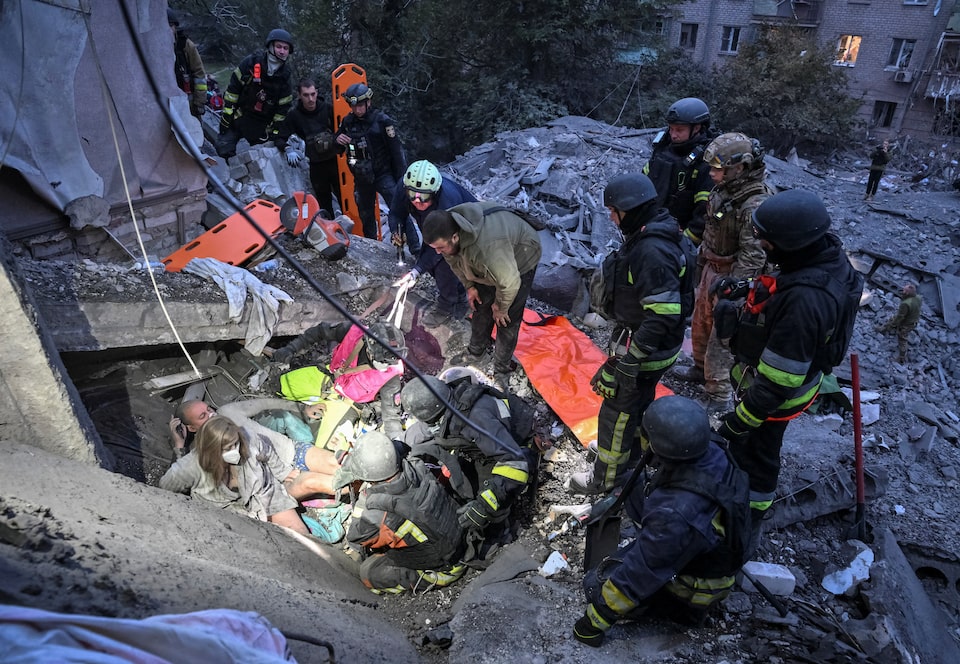
The dispute over diesel supplies unfolded against the backdrop of another deadly Russian attack on Ukraine. A Zaporizhzhia Russian strike destroyed part of an apartment building, leaving residents dead and rescuers searching through the rubble.
Among those killed was a six-year-old girl whose body was recovered from the wreckage. Her grandfather, Anatoliy Chumniy, was seen grieving beside her body after rescuers brought it out of the damaged building.
“Her birthday would have been at the end of the month,” he said through tears.
The incident added to the mounting civilian death toll from Russian attacks and highlighted the devastating consequences of the continuing conflict for families living in Ukrainian cities.
Read also: French police under fire as student protest injuries mount
https://swiftreportnow.com/french-police-under-fire-as-student-protest/
Zaporizhzhia has repeatedly come under Russian bombardment, with attacks intensifying in recent months, according to the report.
Third Mass-Casualty Attack in Ukraine Within a Week
The Zaporizhzhia attack was the third mass-casualty incident in Ukraine during the week covered by the report.
Nearly 80 civilians were killed in Russian strikes on Wednesday and Thursday, including at least 30 people killed by a bomb in the eastern garrison city of Kramatorsk.
Another 22 people were killed by a missile in Pryluky, a town approximately 130 kilometres east of Kyiv.
The repeated attacks have intensified concerns about civilian safety as Ukraine continues to defend its territory and international officials attempt to develop proposals for ending the war.
The latest casualties also sharpened the political dispute surrounding the diesel agreement, with Zelenskyy arguing that reducing pressure on Russia sends the wrong message while Russian forces continue their attacks.
Russia Diesel Deal Draws Criticism Over Global Fuel Prices
Trump’s decision to announce the diesel supply agreement with Putin has also attracted criticism within the United States.
Global diesel prices have risen sharply following the outbreak of the Iran war in February, creating economic and political challenges for the Trump administration.
Higher fuel costs have become a concern for American businesses, farmers and transport operators, while also creating difficulties for Republicans ahead of the November midterm elections.
The elections could allow opposition Democrats to gain control of one or both chambers of Congress, increasing the political significance of fuel prices and the administration’s economic decisions.
Republican Lawmaker Questions Sanctions Relief
Representative Don Bacon, a Republican, criticised the decision to ease restrictions on Russian diesel exports.
Bacon argued that Washington should apply additional sanctions that Congress had recently approved rather than remove existing restrictions.
His position reflects concerns among critics that sanctions relief could provide Moscow with economic advantages without securing meaningful concessions towards ending the war.
The agreement has also faced questions from analysts, who suggested that it might not produce a sustained reduction in global fuel prices.
According to the report, the expected export volumes remained substantially below the levels Russia would normally supply when its refineries were not under attack.
This means the agreement may have a limited effect on international diesel markets, even as it creates diplomatic tensions between Washington and Kyiv.
The disagreement therefore involves more than the immediate question of fuel availability. It also raises concerns about the relationship between energy policy, sanctions and the international response to Russia’s invasion of Ukraine.
Britain Pledges Stronger Sanctions Against Russia
While Trump announced the diesel agreement, Britain signalled its intention to increase economic pressure on Moscow.
British Prime Minister Andy Burnham spoke with Zelenskyy on Saturday, and Downing Street said Britain would strengthen its sanctions against Russia.
A spokesperson for the British prime minister added that the two leaders would meet in person in the coming days.
Britain’s position contrasts with Washington’s decision to ease diesel-related restrictions, highlighting differences among Ukraine’s international partners over how best to influence Russia.
The British pledge also offers Kyiv an indication that some Western governments intend to maintain or intensify sanctions pressure despite the diplomatic developments surrounding the US-Russia agreement.
Ukraine Peace Negotiations Continue Amid Tensions
The latest Russian strikes followed discussions involving Ukrainian and European officials and US negotiators in Miami on Friday.
The talks were intended to help develop a common proposal for ending the war, according to a person familiar with the discussions.
However, Trump announced the diesel agreement with Putin while negotiations were still underway, a move Zelenskyy said had caught Kyiv by surprise.
The Ukrainian delegation was returning home on Saturday, presidential aide Dmytro Lytvyn was cited by the Interfax Ukraine news agency as saying.
Meanwhile, Putin said after speaking with Trump on Friday that an immediate resumption of peace talks was unlikely, citing Ukrainian drone attacks on Moscow.
Russia’s state news agency TASS also reported on Saturday, citing a source, that US negotiators Steve Witkoff and Jared Kushner could visit Moscow within the next two weeks.
The potential visit suggests diplomatic contacts may continue despite the public disagreements and uncertainty surrounding negotiations.
Washington Faces Competing Diplomatic and Economic Pressures
The Trump administration faces competing considerations as it attempts to address the war, international energy prices and domestic political concerns.
On one side, Washington is seeking an agreement that could bring the conflict closer to an end. On the other, the administration is confronting disagreements with Kyiv over military tactics and criticism of its decision to ease sanctions.
For Zelenskyy, the priority remains securing sufficient international support to resist Russian attacks and persuading Moscow to negotiate seriously.
For Trump, the public dispute has centred on the need for a deal and his opposition to Ukrainian attacks on Russian refineries, which he says threaten diesel supplies.
The deaths in Zaporizhzhia have added urgency to the debate, reinforcing the human cost of the conflict as international officials continue searching for a diplomatic path forward.
Whether the diesel agreement will influence fuel prices, negotiations or Russia’s military calculations remains uncertain. However, the announcement has exposed significant differences between Washington and Kyiv at a critical moment in efforts to end the war.