Russian GRU sabotage plot allegations have triggered a major security response in Estonia, with the Baltic nation announcing plans to close all its border crossings with Russia from December 1. The decision followed the arrest of eight people over an alleged attempt to attack Threod Systems, a defence manufacturer producing military drones, in an operation Estonian authorities say was organised by Russian military intelligence.
The suspected attack was foiled on Saturday morning after security personnel at the company intervened. Investigators said the alleged perpetrators intended to cause an explosion and set the building ablaze, but no injuries or property damage were recorded.
Estonian officials have described the incident as a serious threat to national security, linking it to Russia’s alleged efforts to intimidate countries supporting Ukraine and undermine their defence capabilities.
Prime Minister Kristen Michal announced the planned border closures on Sunday, insisting that Estonia would not allow attacks against its defence industry to go unanswered.
The development has further strained relations between Tallinn and Moscow, already deeply affected by Russia’s war against Ukraine and repeated accusations of covert Russian operations across Europe.
Eight suspects arrested over attack on Threod Systems
The investigation began after eight people were detained during an attempted operation against Threod Systems, an Estonian company specialising in the production of long-range attack and reconnaissance drones.
The incident occurred on Saturday morning, November 14, when the suspects allegedly attempted to carry out an operation designed to cause an explosion and start a fire inside the company’s premises.
Estonia’s Internal Security Service, known as Kapo, disclosed that the suspected objective was to destroy or damage the facility through an explosion and arson.
However, the company’s security team responded to the threat before the alleged plan could be executed.
Authorities confirmed that nobody was injured and that the premises suffered no reported damage.
Following the arrests, investigators requested a court order to keep five of the eight detained individuals in custody, according to Estonia’s public broadcaster, ERR.
The authorities have not publicly provided detailed information about the identities of the suspects or the specific roles each allegedly played in the operation.
Nevertheless, the incident has raised serious concerns because Threod Systems operates in a defence sector that has become increasingly important to Estonia and its allies since Russia’s invasion of Ukraine.
Tallinn directly links suspected operation to Russian intelligence
Estonian authorities have attributed the alleged sabotage operation to Russia’s military intelligence service, commonly known as the GRU.
The accusation places the incident within a wider pattern of suspected hostile activities that European security agencies have warned could threaten defence manufacturers and other strategic facilities.
Prime Minister Michal said the attempted attack was connected to Estonia’s continued support for Ukraine, arguing that Moscow wanted to intimidate the country and weaken its determination to assist Kyiv.
He said Russia’s objective was to create fear, encourage hesitation and undermine Estonia’s commitment to Ukraine.
However, Michal insisted that the government would respond by strengthening national security, increasing cooperation with businesses and international allies, applying further pressure on Russia and continuing its support for Ukraine.
The prime minister explained that the decision to close the border crossings was intended to reduce the risk of additional attacks and demonstrate that hostile actions against Estonia’s defence industry would have consequences.
His remarks made clear that the government viewed the incident as more than an isolated criminal operation.
The allegations also raise questions about the security of European companies involved in producing military equipment for Ukraine, particularly as Russia’s war continues.
Estonia announces closure of three border crossings
As part of its response, Estonia will shut all three of its border crossings with Russia from December 1.
The crossings are located at Narva in the north, and Koidula and Luhamaa in the southern part of the country.
Although the government has announced the commencement date, it has not specified how long the restrictions will remain in force.
The closure is intended to strengthen security and reduce opportunities for further hostile operations against Estonia.
It could also affect cross-border movement involving residents, businesses and other travellers who regularly use the routes between the two countries.
The government has not yet provided detailed information about possible exemptions or arrangements for people affected by the restrictions.
Estonia’s decision reflects the country’s increasingly firm approach to security along its eastern frontier.
As a member of the European Union and Nato, the Baltic nation considers developments involving Russian military and intelligence activities a major concern.
Its geographical position, sharing a border with Russia, has made it particularly sensitive to the consequences of the war in Ukraine and the wider confrontation between Moscow and Western governments.
Foreign minister warns Russia against further hostile actions
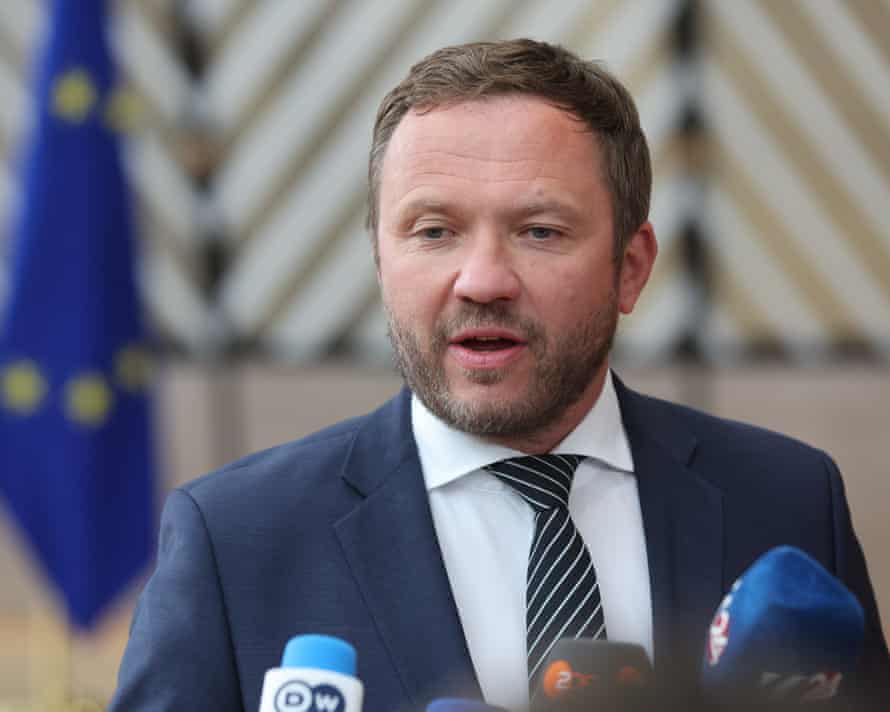
Estonian Foreign Minister Margus Tsahkna backed the government’s position, warning that Russia must understand that hostile actions against Estonia would carry consequences.
He said attempts to intimidate the country, destabilise its institutions or undermine its security would not go unanswered.
The foreign minister’s comments reinforced Tallinn’s determination to respond firmly to the alleged sabotage operation.
His warning also suggested that the government was prepared to take additional measures if investigators uncovered further evidence of hostile activities.
The authorities have emphasised the importance of cooperation between security agencies, private businesses and international partners in identifying and preventing potential attacks.
For Estonia, protecting defence manufacturers is particularly important because their activities contribute to the country’s military preparedness and wider European security efforts.
Previous arson attack on Milrem Robotics raises further concerns
The alleged operation against Threod Systems is the second attempted attack on an Estonian defence company that authorities have attributed to Russian intelligence or security services.
In August, an arson attack targeted Milrem Robotics, another Estonian defence technology company involved in developing military robotics.
Following investigations, Kapo announced in September that it was confident the incident had been a deliberate and pre-planned operation carried out on behalf of Russian special services.
The agency said the incident fitted a pattern of suspected Russian attacks targeting defence and drone manufacturers, particularly companies with connections to Ukraine.
Estonia responded to the earlier incident by summoning Russia’s chargé d’affaires to address the allegations.
However, the Kremlin rejected the accusations, describing them as baseless and ill-considered. Russian officials insisted that the claims had no connection to reality.
The latest arrests have renewed attention on the earlier case because both incidents involved companies operating in Estonia’s defence and military technology sector.
If investigators establish a connection between the incidents, the findings could strengthen concerns that defence businesses supporting Ukraine are being deliberately targeted through covert operations.
European intelligence agencies warn of Russian recruitment networks
Estonia’s concerns are part of a broader security debate across Europe.
Several European intelligence agencies have repeatedly warned about suspected Russian efforts to recruit individuals in European Union and Nato countries to carry out sabotage operations.
According to those warnings, recruitment can take place through online messaging platforms, with individuals allegedly approached to undertake activities targeting infrastructure, businesses and other strategic interests.
Such operations are particularly difficult to prevent because those carrying them out may not necessarily be trained intelligence officers or members of a recognised military organisation.
The suspected attacks against Estonian defence manufacturers have therefore reinforced concerns about the vulnerability of private companies involved in military production.
European governments are increasingly focused on protecting facilities that manufacture drones, weapons and other equipment used by Ukraine.
Prime Minister Michal said security agencies had previously informed Estonia’s defence industry about potential threats.
He argued that the warnings were issued for a reason and that the preparedness of the company and its security personnel had helped prevent the latest incident from succeeding.
The arrests, he suggested, demonstrated the importance of taking intelligence warnings seriously and maintaining effective security arrangements.
Moscow dismisses Estonia’s decision as Russophobia
Russia has reacted critically to Estonia’s planned border restrictions.
Russian foreign ministry spokesperson Maria Zakharova described the proposed closures as another example of what she called aggressive and uncontrolled Russophobia.
Speaking to the state news agency Tass, Zakharova said that if Estonia genuinely intended to shut the crossings, the move would represent another episode in its hostile approach towards Russia.
Her remarks highlight the growing diplomatic consequences of the decision.
Relations between the two countries have deteriorated considerably since Russia launched its full-scale invasion of Ukraine, with Estonia among the European nations that have consistently supported Kyiv.
Tallinn has repeatedly accused Moscow of threatening European security through military pressure, intelligence operations and other hostile activities.
Russia, however, has rejected several allegations of involvement in sabotage incidents and has accused European governments of adopting an unnecessarily confrontational attitude.
The latest exchange of accusations is likely to deepen the diplomatic divide, particularly as Estonia prepares to implement the border restrictions.
Ukraine war continues to shape Estonia’s security policy
Estonia’s decision to close its Russian border crossings demonstrates how the war in Ukraine continues to influence security policies across Europe.
The Baltic nation has maintained strong political and military support for Kyiv, viewing Ukraine’s ability to resist Russian aggression as directly connected to the security of other European countries.
The alleged attack on Threod Systems has intensified concerns that companies supporting Ukraine could face threats beyond conventional military operations.
For Estonia, the immediate priorities include protecting defence manufacturers, strengthening intelligence cooperation and preventing further sabotage attempts.
The government also wants to demonstrate that alleged hostile activities will not force it to reduce its support for Ukraine.
Read also: Bahrain US base drone strike raises fears of wider war as Iran steps up attacks
https://swiftreportnow.com/bahrain-us-base-drone-strike-raises-fears-of/
The Guardian reported that the latest arrests followed warnings from European intelligence services about growing Russian efforts to recruit individuals for sabotage operations in Nato and EU countries.
With eight people detained, investigations continuing and three border crossings scheduled for closure, Estonia is preparing for a more restrictive security environment along its frontier with Russia.
Whether the alleged operation against Threod Systems forms part of a wider coordinated campaign remains a matter for investigators. However, the incident has already intensified tensions between the two countries and raised fresh questions about the security of Europe’s defence industry.
About The Author