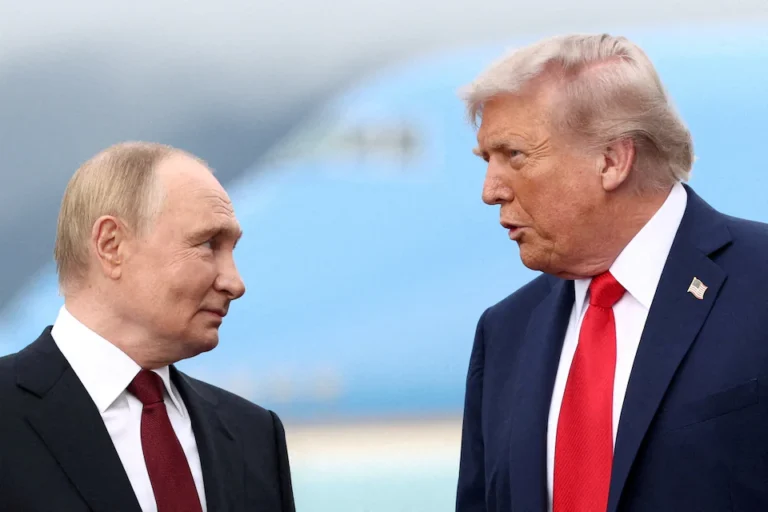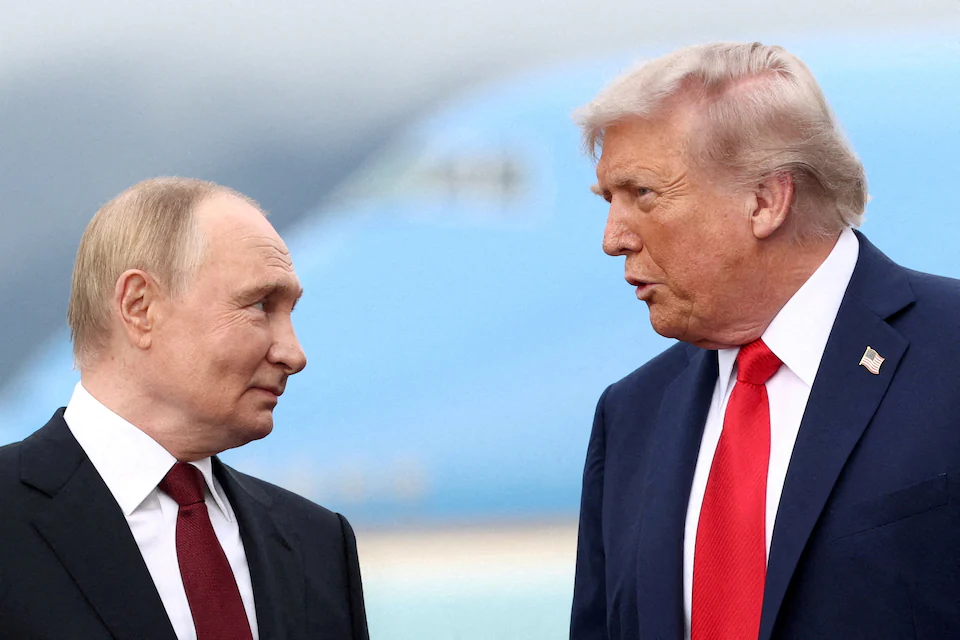
Trump and Putin meeting– China’s diplomatic influence is set to come under the spotlight as President Xi Jinping prepares to host Donald Trump and Vladimir Putin for a high-profile meeting expected to address international security, nuclear weapons and relations among the world’s leading powers.
The planned gathering in Shenzhen on Thursday, alongside the Asia-Pacific Economic Cooperation (APEC) summit, will bring together the leaders of China, the United States and Russia at a time of heightened geopolitical tensions. The meeting also offers Xi an opportunity to demonstrate Beijing’s ability to influence discussions involving two countries with significant military and economic power.
China’s Foreign Ministry has indicated that the leaders will examine ways to safeguard global peace and strengthen strategic stability among major powers. Beijing described the engagement as particularly significant but has not published a detailed agenda outlining the specific agreements or commitments being pursued.
The Kremlin has also attached considerable importance to the proposed encounter, suggesting that its symbolism alone makes it an important diplomatic event.
Beijing seeks a bigger role in international diplomacy
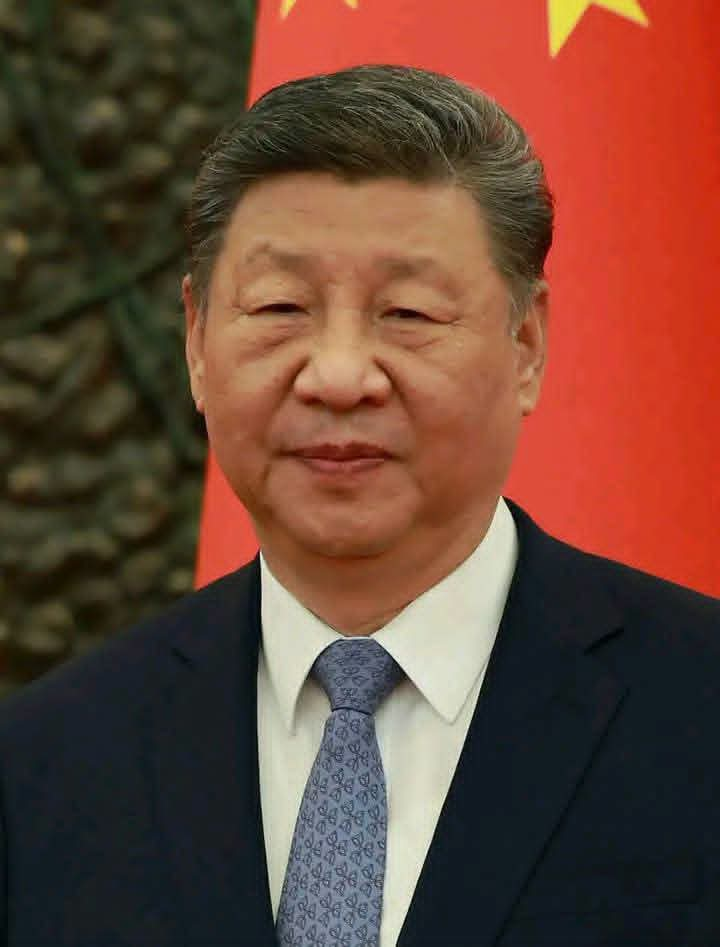
The decision to bring Trump and Putin together places Xi at the centre of an important diplomatic exercise. Rather than simply participating in discussions between Washington and Moscow, the Chinese president will host the encounter and help shape the environment in which the three governments engage.
China was the last of the three countries to confirm the meeting, but its participation has become central to expectations surrounding the gathering.
Peter Alexander of Z-Ben Advisors believes Xi could gain politically from bringing the American and Russian presidents together. The assessment reflects the diplomatic advantage Beijing could obtain by presenting itself as a country capable of facilitating dialogue between competing global powers.
Ryan Hass of the Brookings Institution has similarly argued that Xi stands to benefit from acting as the convener and agenda-setter. He suggested that the symbolism of the gathering could ultimately prove more significant than the practical results achieved during the discussions.
For China, the opportunity comes at a time when its relationship with Washington remains complicated by strategic competition, while its partnership with Moscow continues to carry considerable geopolitical importance.
A successful Trump and Putin meeting could strengthen Beijing’s international standing, even if the three governments fail to reach major agreements.
Nuclear weapons could become a major talking point
One of the most important issues surrounding the meeting is whether the three leaders can make progress on nuclear disarmament.
United Nations Secretary-General António Guterres has expressed hope that the discussions will include meaningful efforts to reduce nuclear weapons. He indicated that a commitment towards denuclearisation would represent a major achievement for global security.
The issue is particularly sensitive because China, Russia and the United States possess nuclear capabilities that have significant implications for international stability.
Washington and Moscow maintain the world’s largest nuclear stockpiles, while China’s arsenal has been growing. Beijing has previously resisted calls to participate in nuclear arms negotiations with the two countries, arguing against arrangements that do not adequately account for differences in their respective arsenals.
Nevertheless, the possibility of a direct conversation between the three presidents has raised expectations that nuclear security could receive renewed attention.
Preparatory discussions between Chinese Foreign Minister Wang Yi and US Secretary of State Marco Rubio have also highlighted the issue. The US State Department said both officials recognised the importance of meaningful conversations between the leaders, particularly on peace and nuclear disarmament.
However, agreement on the importance of dialogue does not necessarily mean that the countries are close to reaching a common position on arms control.
Iran conflict presents another diplomatic challenge
Trump is also interested in discussing the conflict involving Iran, adding another potentially difficult subject to the expected discussions.
The United States and Israel have been involved in a war with Iran, while China maintains significant economic relations with Tehran. Beijing has also attempted to position itself as a diplomatic intermediary and has repeatedly emphasised the need to prevent further escalation.
Avoiding a renewed outbreak of hostilities is a major priority for China because instability in the Middle East could affect international trade, energy supplies and its wider economic interests.
For Trump, raising the Iran conflict could provide an opportunity to understand China’s position and explore whether Beijing is willing to use its relationship with Tehran to support diplomatic efforts.
However, the three governments may not share the same priorities or assessment of the conflict. Any meaningful agreement would therefore require difficult negotiations and a willingness to accommodate competing interests.
Ukraine war could be excluded from the agenda
Another major international issue that may receive little attention is Russia’s war in Ukraine.
Putin is reportedly interested in discussing the conflict, but US officials have indicated that Trump is not expected to raise it during the meeting.
The possibility of avoiding Ukraine altogether is significant because the war remains a major source of tension between Russia and Western countries. It also presents a diplomatic challenge for China, which maintains close relations with Moscow while seeking to preserve its international standing.
German President Frank-Walter Steinmeier recently indicated that Xi appeared irritated when Ukraine was raised during a meeting. His observation suggests that Beijing may be reluctant to allow the conflict to dominate discussions at the Shenzhen gathering.
For Xi, an unexpected exchange between Trump and Putin over Ukraine could disrupt the carefully prepared diplomatic proceedings. It could also place China under pressure to respond to questions that Beijing would prefer to handle separately.
The absence of Ukraine from the expected American agenda may therefore help China maintain greater control over the meeting’s central themes.
Disagreement over the summit format
Differences have also emerged over how the meeting should be organised.
The Wall Street Journal reported that the Trump administration had resisted China’s preference for a tightly scripted gathering, featuring prepared statements and restricted opportunities for open discussion.
Beijing’s approach to high-level diplomatic meetings generally places considerable emphasis on preparation, structure and control over proceedings. Such arrangements can reduce the likelihood of unexpected exchanges and help ensure that discussions remain within agreed boundaries.
The Trump administration’s reported opposition suggests that Washington is uncomfortable with a format that could limit the American president’s freedom to raise issues during the encounter.
Sari Arho Havrén of the Royal United Services Institute said China dislikes surprises. She suggested that Xi would not want Trump or Putin to dominate the proceedings or draw him into an unplanned discussion about Ukraine.
The concern reflects the competing diplomatic interests of the three leaders. While Xi wants the meeting to reinforce China’s international standing, Trump and Putin may have their own priorities that do not necessarily align with Beijing’s preferred agenda.
What the meeting could mean for global relations
The Shenzhen gathering is expected to attract attention beyond the immediate discussions because of the influence wielded by the three participating countries.
Their decisions on nuclear weapons, regional conflicts and relations among major powers could have consequences for international security and the global economy.
For Xi, the most immediate benefit may come from demonstrating that China can provide a platform for dialogue between Washington and Moscow. For Trump and Putin, the meeting offers an opportunity to engage directly with one another and with the Chinese president on issues of shared international concern.
Whether the discussions produce concrete commitments remains uncertain. The differences over nuclear negotiations, Iran, Ukraine and the format of the meeting illustrate the challenges confronting the three governments.
Nevertheless, China’s diplomatic influence could receive a significant boost if Xi successfully manages the gathering and keeps the discussions focused on issues where cooperation is possible.
Even without a major breakthrough, bringing Trump and Putin to Shenzhen would provide Beijing with an important opportunity to project itself as a central player in efforts to shape the future of international relations.
About The Author