Britain’s Neet crisis has taken centre stage in a proposed overhaul of the country’s welfare system, with former Labour minister Alan Milburn recommending a new youth allowance, expanded employment services and financial incentives to encourage businesses to recruit more young people.
The recommendations are contained in a 278-page review published on Tuesday, which seeks to address the growing number of people under 25 who are not in education, employment or training. The proposals would significantly change how young people receive welfare support and access opportunities to enter the workforce.
The report has also placed pressure on Andy Burnham to commit to a comprehensive reform programme after the government described the recommendations as an opportunity to establish a new settlement for young people.
Ministers endorsed the broad direction of the review shortly after its publication and announced a new government role for Milburn. However, the government is not expected to provide its full response until later this year.
The proposed reforms include replacing certain health-related benefits with a youth allowance, creating integrated employment support services, reducing National Insurance contributions for younger workers and providing recruitment payments to employers.
Milburn argues that Britain risks losing a generation of young people unless the government tackles the barriers preventing them from finding work.

New welfare arrangement would change support for young people
At the heart of the report is a recommendation to establish an entirely new benefits system for young people.
Under the proposed arrangement, the health element of Universal Credit and Personal Independence Payment (PIP) would be replaced by a youth allowance.
The intention is to redesign financial support around helping young people overcome obstacles to employment, rather than allowing long-term inactivity to become entrenched.
However, the proposal has raised concerns about the potential effect on people with disabilities and health conditions who depend on existing benefits.
The Institute for Fiscal Studies (IFS) warned that some people with less severe disabilities could initially experience substantial income losses under the proposed changes. Their financial position could improve if they entered employment, but the extent of that possibility remains uncertain.
The report’s recommendations therefore present a significant challenge for ministers: how to encourage employment while ensuring that vulnerable young people do not lose essential financial protection.
Milburn has argued that the proposals should be treated as a connected programme. He cautioned against selecting individual recommendations while ignoring the wider reforms needed to make the system work.
Integrated services would provide faster access to assistance
The review proposes establishing devolved Youth Opportunity Services to bring employment, health and career support together.
These centres would offer young people access to a named adviser within 14 days, giving them a dedicated contact to help navigate available services and identify suitable opportunities.
The proposed structure is intended to address the fragmentation that can occur when employment assistance, healthcare and career guidance are provided by separate organisations.
By coordinating these services, the government hopes to identify the reasons young people struggle to find work and provide more targeted assistance.
The initiative would also make it easier for individuals to receive guidance on training, qualifications and employment pathways instead of being left to navigate different support systems independently.
Employers could receive up to £7,000 for recruitment
Milburn’s proposals also seek to make it more attractive for businesses to employ young people who have struggled to enter the labour market.
The report recommends recruitment incentives of between £3,000 and £7,000 for employers who hire individuals who have been outside education, employment or training for at least six months.
The payments are intended to encourage businesses to give opportunities to applicants who may have limited work experience or face difficulties securing their first job.
The review also recommends reducing National Insurance contributions for employees aged between 21 and 24 over a five-year period.
Retail and hospitality businesses would receive priority under the proposed tax reduction, reflecting their potential to provide entry-level employment.
Milburn previously acknowledged that policies introduced by the Labour government had affected the employment market and made it more difficult for some businesses to recruit young workers.
He specifically called for a course correction following the government’s increases in employers’ National Insurance contributions.
School readiness and vocational education targeted
The review argues that tackling youth unemployment requires intervention long before young people begin searching for jobs.
It recommends increasing the proportion of children who are ready for school by the age of five from 63 per cent to 90 per cent.
The report also calls for a more vocational curriculum to help pupils develop practical skills and prepare for the demands of employment.
The proposed changes are intended to strengthen the relationship between education and the labour market, ensuring that young people have a clearer understanding of the opportunities available to them.
The recommendations reflect Milburn’s position that the problem cannot be solved through welfare changes alone. Early childhood development, school preparation, relevant qualifications and accessible career guidance are also important parts of the proposed strategy.
Proposed programme carries a multibillion-pound price tag
Implementing the recommendations would require substantial government investment.
The report estimates that £5.8bn would be spent by 2036-37 on the new youth opportunity services, employment support, tax reductions and incentives for businesses.
In return, the government is projected to save £3.6bn annually through reduced social security spending and generate another £2.4bn in additional tax revenue.
The combined figures would leave an estimated net saving of £200m in that financial year.
However, the financial projections have attracted scrutiny.
The IFS said it was difficult to assess the plausibility of some of the anticipated outcomes, including the target of moving an additional 440,000 young people into employment by 2036.
The report’s modelling suggests that achieving this increase would bring the Neet rate down to seven per cent by 2036, although that would still fall slightly short of the target outlined in the review.
The think tank also calculated that the projected £3.6bn annual reduction in welfare spending would represent 41 per cent of expected expenditure on health-related benefits for young people in 2036-37.
These figures have intensified questions about the balance between reducing welfare costs and protecting people who may not be able to work because of their health.
Milburn demands a £500m initial investment
Launching the report, Milburn warned that Britain risked losing a generation of young people, insisting that the problem was not a lack of talent, ambition or willingness to work.
He argued that the country was facing a crisis of opportunity and that half measures would not address the scale of the challenge.
Milburn called for an initial investment of £500m in the next financial year, saying the programme should be treated as a priority in the government’s next spending review.
He also urged ministers to implement the recommendations as a complete package rather than choosing only the measures they found convenient.
According to the former cabinet minister, legislation could enable welfare savings to begin emerging before the end of the decade if the government moved quickly.
He also warned that the prime minister had limited time to act, expressing confidence that Burnham wanted to pursue the reforms.
Government promises a new settlement for young people
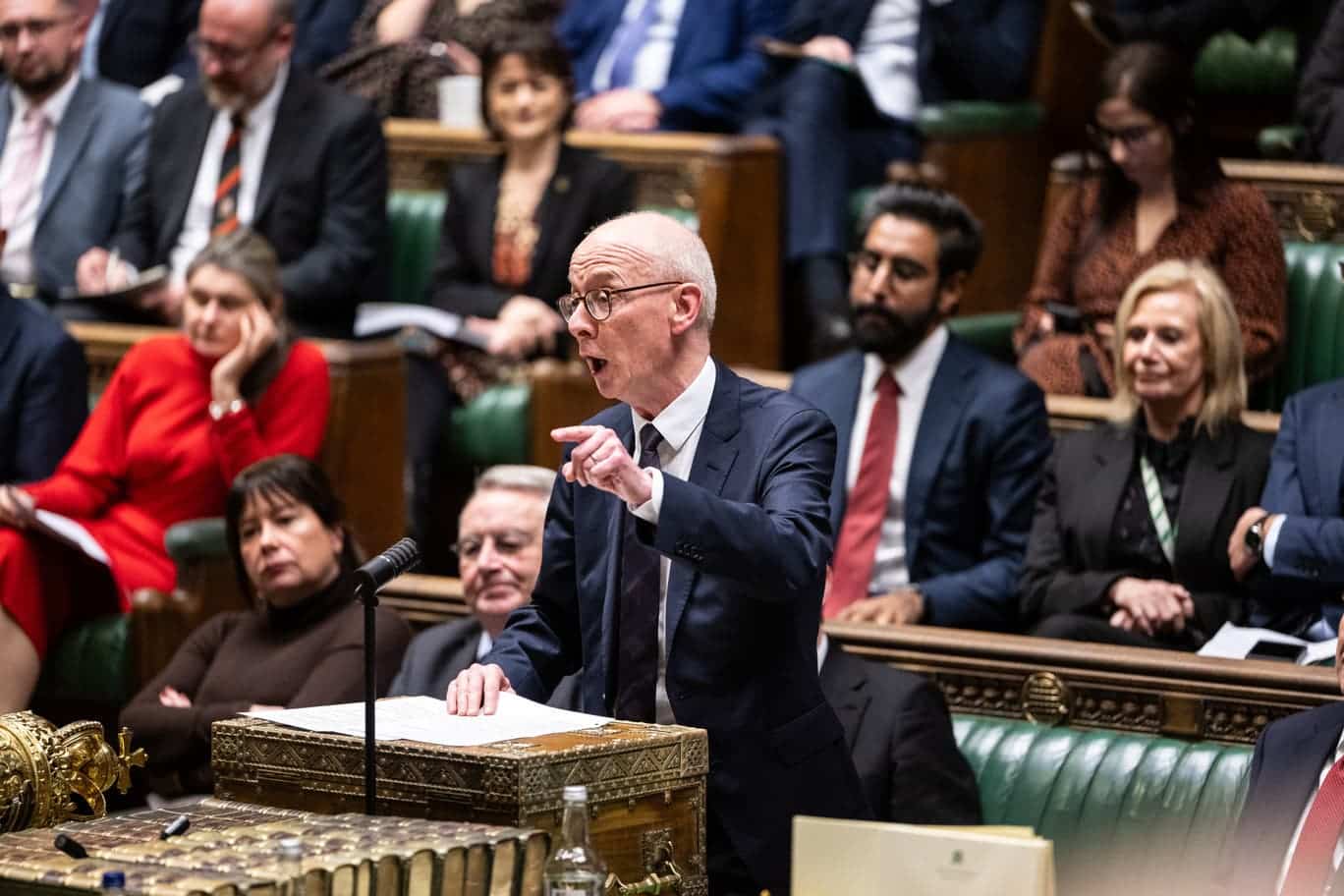
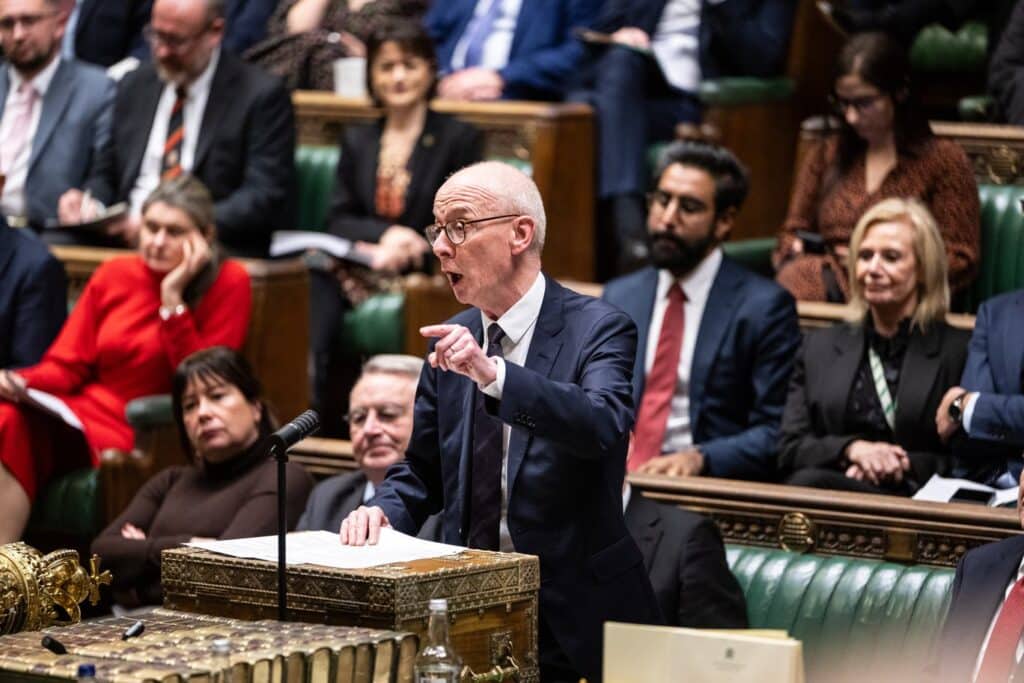
Work and Pensions Secretary Pat McFadden told MPs that the country needed a new settlement for young people.
He said the objective should be to give them the best possible opportunity to achieve higher living standards throughout their lives.
McFadden argued that the government needed to change the balance of public spending, which he said currently placed much greater emphasis on dealing with the consequences of inactivity than investing in opportunities.
The government has already announced plans to establish a new youth opportunities unit that will report directly to the prime minister.
However, ministers are expected to set out their full position on the recommendations later this year.
Labour MP Rachael Maskell, who previously opposed aspects of welfare reform, welcomed the ambition behind the review but said important details had yet to be clarified.
She indicated that she would work with the government to ensure the proposals were implemented appropriately.
Badenoch criticises the proposed government spending
Conservative leader Kemi Badenoch challenged the approach outlined in the report, arguing that the government should focus on reducing the cost and risks of employing young people rather than introducing expensive programmes.
Her criticism reflects the political disagreement surrounding the proposed reforms, particularly over whether additional public spending and changes to benefits would produce the intended employment outcomes.
The debate also comes after Labour MPs previously resisted attempts by Keir Starmer to reduce the benefits bill.
Milburn sought to distinguish his recommendations from those earlier efforts, arguing that the objective was to help people into employment rather than simply secure savings for the Treasury.
Welfare reform faces scrutiny over its impact
Charities and campaigners have welcomed the review as an attempt to address the difficulties facing young people who have become disconnected from education, training and employment.
Nevertheless, the proposals leave important questions for ministers to resolve, particularly concerning the treatment of young people with disabilities and the reliability of the projected savings.
The government will also have to determine how the proposed recruitment incentives, vocational education changes and integrated support services would operate in practice.
The outcome of the review could reshape the relationship between welfare payments and employment support for younger people across Britain.
For Burnham and the government, the immediate challenge is deciding whether to adopt Milburn’s recommendations as a comprehensive programme and how to protect vulnerable individuals while encouraging more young people to enter the workforce.
About The Author