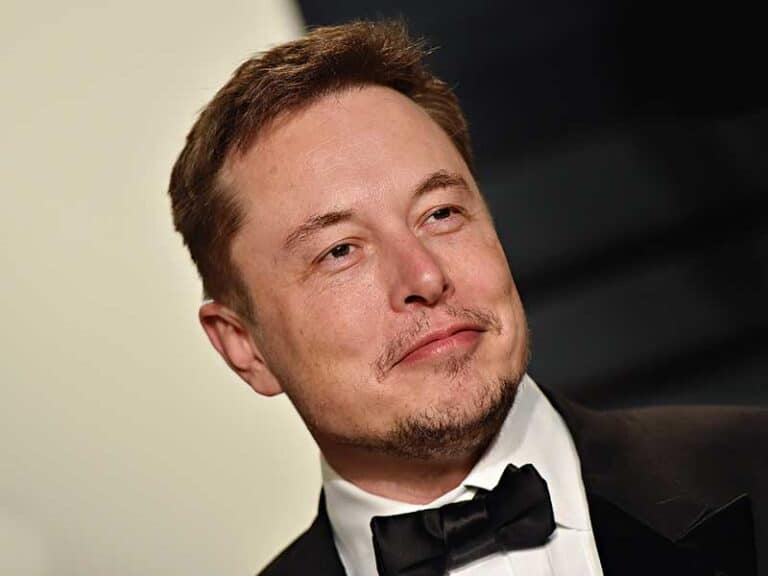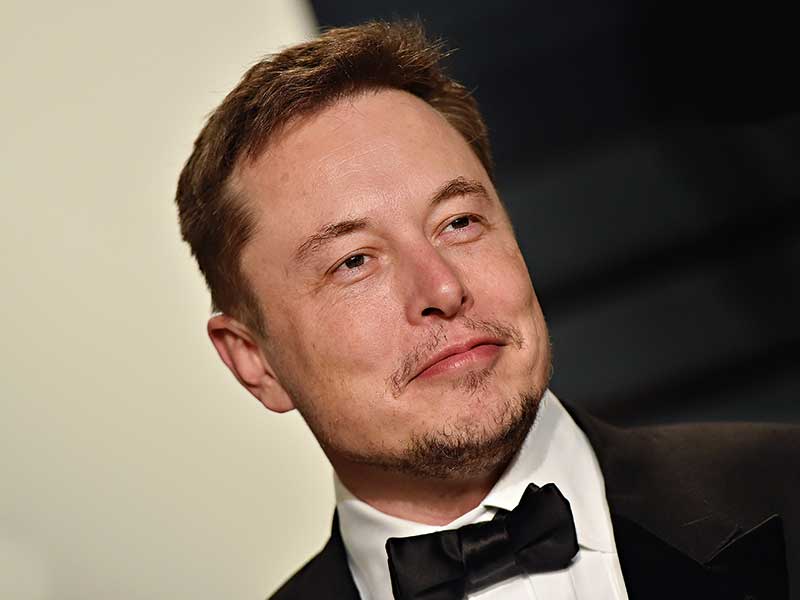
Elon Musk‘s Republican election spending has come under fresh scrutiny after the billionaire admitted that he regretted investing nearly $500m in Republican candidates during the 2026 US midterm elections. He also distanced himself from President Donald Trump‘s Make America Great Again movement, insisting that he was not Maga despite his previous public support for the political group.
Musk made the revelations on Wednesday during an interview at the New York Times DealBook summit. He joined the event through a video call from China, where he was accompanying Trump alongside other American business leaders on the president’s Asian trip.
Speaking to New York Times columnist Andrew Ross Sorkin, the Tesla and SpaceX chief executive rejected the suggestion that his political identity was tied to unquestioning support for the Republican Party.
“I’m not Maga,” Musk declared.
He explained that he did not necessarily understand the movement as a political identity requiring absolute loyalty to Republican policies.
“I’m not sure what Maga means, but if that means sort of blind adherence to a set of policies by the Republican party, then I certainly don’t have that,” he said.
The declaration contrasts with his previous enthusiastic association with Trump’s political movement, particularly during the 2024 presidential campaign.
From outspoken Maga supporter to political independence
Musk‘s relationship with the Maga movement became especially visible during Trump’s successful campaign to return to the White House.
At a 2024 campaign rally at Madison Square Garden in New York, the billionaire openly embraced the movement, declaring: “I’m not just Maga. I’m dark, gothic Maga.”
His involvement went beyond public endorsements. He became a major financial supporter of Trump and frequently appeared at campaign events, helping to promote the Republican candidate’s return to power.
Following Trump’s election victory, Musk’s influence extended into the administration, where he was appointed to lead the Department of Government Efficiency, popularly known as DOGE.
His latest comments suggest a willingness to distinguish his personal political views from the Republican Party’s positions.
During the DealBook interview, he also expressed support for divided political control in Washington, arguing that both major parties had positive and negative aspects.
Such an arrangement, he suggested, could prevent either party from exercising complete control over the country’s political direction.
However, he did not announce that he was abandoning Republican politics or withdrawing his support for Trump entirely.
Nearly $500m spent on Republican candidates
The most striking part of Musk’s interview concerned the enormous amount he invested in the 2026 US midterm elections.
He spent nearly $500m supporting Republican candidates, many of whom eventually lost their contests.
The expenditure made him one of the biggest individual political spenders in an election cycle, despite not being a candidate himself.
For a billionaire whose financial contributions have helped shape political campaigns, the disappointing results represented a significant setback.
Musk acknowledged that the spending had failed to achieve its intended purpose and admitted that he felt foolish about committing so much money.
“It certainly shows that American elections are not just about money,” he said.
Reflecting on the investment, he added: “If I could rewind the clock, I would have spent less money.”
His admission highlights the limits of financial influence in American electoral politics. Even an enormous campaign budget cannot guarantee that voters will support the candidates receiving the money.
The Guardian previously reported on the scale of Musk’s spending and the poor electoral outcome for many of the Republicans he backed.
His financial support for Trump began in 2024
Musk’s involvement in Republican politics was already substantial before the latest midterm elections.
During the 2024 presidential campaign, he donated at least $250m to help Trump secure victory over the Democratic candidate.
His contributions, public appearances and endorsements established him as one of the most influential wealthy supporters of Trump’s political comeback.
After the election, the relationship developed into a formal role within the administration.
Musk headed DOGE for 180 days after Trump began his second presidential term in 2025. The initiative was established to pursue government spending reductions and changes to federal operations.
During his time in the administration, Musk became a familiar presence at the White House, frequently appearing in the Oval Office and attending cabinet meetings.
He was often photographed wearing caps bearing Maga slogans or messages expressing strong support for Trump.
His prominent position made him one of the most recognisable figures associated with the president’s second administration.
Public dispute with Trump led to temporary separation
The close relationship between the two men suffered a major setback in 2025 when they became involved in a highly publicised disagreement.
The confrontation eventually led to Musk’s departure from his government position after 180 days.
In June 2025, Musk escalated the dispute by publishing a controversial allegation about Trump on his social media platform.
“Time to drop the really big bomb: @realDonaldTrump is in the Epstein files. That is the real reason they have not been made public,” he wrote.
The post intensified tensions and exposed the extent of the breakdown between the billionaire and the president.
However, their disagreement did not permanently end the relationship. The two men later reconciled, restoring a political association that had previously been characterised by close cooperation.
Musk’s latest comments about Maga therefore come after a period of strong political alignment, a public falling-out and an eventual reconciliation with Trump.
Musk accuses Zelenskyy over Starshield restrictions
The DealBook discussion also covered international affairs, including the dispute over Ukraine’s access to Musk’s satellite technology.
Musk accused Ukrainian President Volodymyr Zelenskyy of lying about restrictions affecting access to Starshield, the satellite communications system developed by SpaceX for government and military customers.
The issue has attracted attention because of the importance of satellite communications to Ukraine’s military and civilian operations during its war with Russia.
Musk’s comments added another political dimension to the interview, particularly given his company’s involvement in providing satellite technology used in the conflict.
Billionaire offers positive assessment of Anthropic
Musk also discussed Anthropic, the artificial intelligence company, and offered favourable comments about its employees despite his previous criticism of the organisation.
He explained that he had personally met several members of its team before agreeing to rent computing power to the company.
“I went to met with a lot of people at Anthropic. I didn’t just move forward with the deal,” he said.
Describing his experience, Musk added: “My interaction so far with the Anthropic team is that they seem like good people and they seem principled.”
He further described the employees as diligent and concerned about the future of artificial intelligence.
Musk also praised Jensen Huang, whom the Guardian described as the ousted chief executive of Nvidia.
The discussion demonstrated that his interests at the summit extended beyond American politics to include artificial intelligence, business relationships and international technology issues.
What Musk’s latest remarks mean for his political future
Musk’s rejection of the Maga label and his admission about the failed election spending raise questions about how he intends to approach American politics going forward.
Read also: Ukraine strikes Crimean Bridge for third time in a week as Russia investigates fresh damage
https://swiftreportnow.com/ukraine-strikes-crimean-bridge-for-third-time/
His nearly $500m investment demonstrated the scale of financial influence he can bring to political campaigns. However, the election results showed that wealth alone cannot determine voter decisions.
His comments also suggest that he wants greater freedom to disagree with Republican policies without being regarded as a supporter of every position taken by the party.
Nevertheless, he has not declared an end to his relationship with Trump or announced a complete withdrawal from Republican political activities.
Elon Musk’s republican election spending for a billionaire who once publicly described himself as dark, gothic Maga and became one of Trump’s most prominent allies, his latest position marks a notable change in political messaging.
About The Author