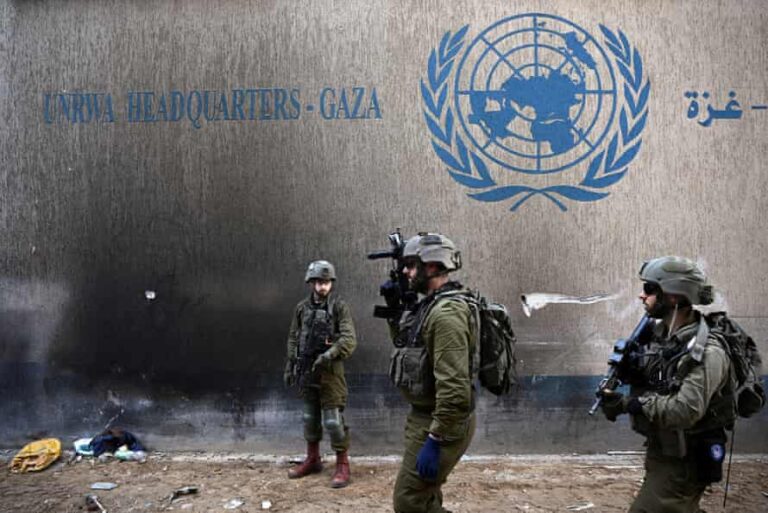
A United Nations tribunal has challenged the evidence used to dismiss Palestinian aid workers accused of links to Hamas, ruling that the allegations were largely unsupported and raising concerns about the damage caused to humanitarian operations in Gaza.
The judgment casts fresh doubt on the decision by the United Nations Relief and Works Agency for Palestine Refugees (UNRWA) to terminate the contracts of nine Palestinian employees in January 2024 following allegations by Israel that some staff members were involved in the Hamas-led attacks of October 7, 2023.
The tribunal’s ruling found that the evidence against one of the dismissed workers, Abu Awad, was unreliable and that UNRWA failed to establish a sufficient basis for terminating his employment. It also questioned the agency’s reliance on Israeli intelligence claims and other materials that were not adequately substantiated.
The decision has renewed scrutiny of how the allegations were handled, particularly because the dismissals occurred before the internal investigation had fully examined the claims against the affected employees.
UN tribunal questions Israeli allegations against Palestinian aid workers
The controversy began in January 2024, when Israel accused several UNRWA employees of involvement in the October 7 attacks. The allegations triggered international pressure on the humanitarian organisation, which was already operating under increasingly difficult conditions in Gaza.
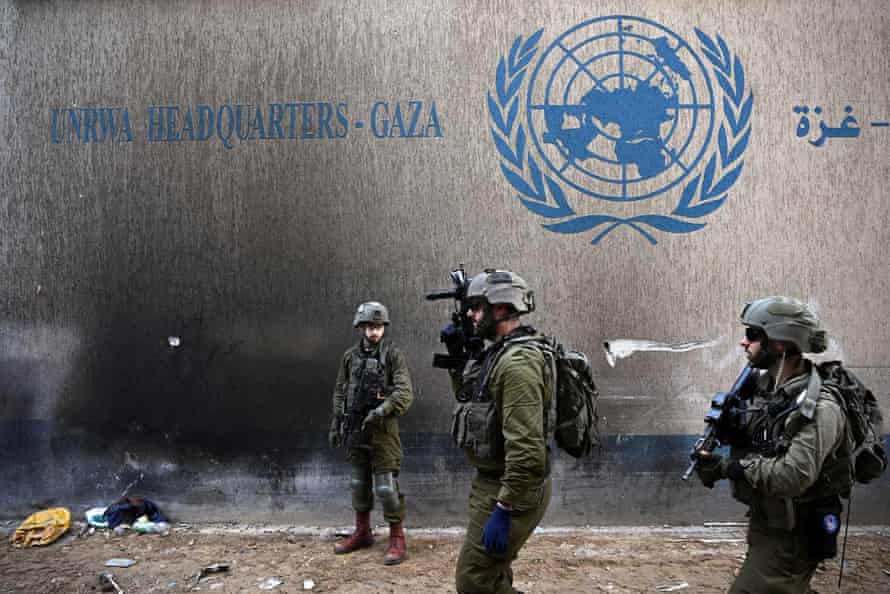
UNRWA subsequently terminated the contracts of nine Palestinian workers, describing the allegations as serious and credible. The agency said the action was taken in the interests of protecting its operations and maintaining confidence in its humanitarian work.
However, the tribunal’s findings now raise questions about whether the evidence available at the time justified the dismissals.
The ruling described the Israeli allegations as having “limited evidentiary value and reliability”, casting doubt on the information used to establish alleged links between the employees and Hamas.
The tribunal also observed that the accusations appeared to have relied almost entirely on information supplied by Israeli authorities.
Tribunal questions reliability of intelligence evidence
One of the major concerns highlighted in the judgment was the absence of direct interviews with the 19 UNRWA employees initially accused by Israel of involvement in the October 7 attacks.
The UN investigation reportedly did not interview the employees because of safety and security concerns, leaving important questions about the allegations unresolved.
The tribunal stated that the claims against the affected employees appeared to be based almost entirely on information in Israel’s possession.
It also scrutinised intercepted telephone conversations and messages presented as evidence, noting concerns about mistaken identities, cloned SIM cards and questionable voice-recognition claims.
Some transcripts examined by UN investigators reportedly failed to support the allegations that the conversations established links to Hamas or involvement in the October 7 attacks.
These findings have raised concerns about the reliability of intelligence-based accusations when they are used to make decisions that could permanently affect employees’ careers and reputations.
Abu Awad’s dismissal and the tribunal’s findings
Abu Awad, one of the Palestinian employees whose contract was terminated, was accused of serving as a platoon commander in Hamas’s military wing, the Al-Qassam Brigades.
He rejected the allegation and maintained that he was not involved in the October 7 attacks. The accusations against him did not claim that he physically participated in the assault.
Witness statements presented before the tribunal reportedly indicated that Awad was travelling on an UNRWA staff bus as he normally did during the period in question.
The specific accusation was that he had received instructions during an intercepted telephone conversation to monitor events on October 7 while simultaneously receiving intelligence updates from Hamas.
However, the tribunal questioned whether Israeli security services had adequately established who allegedly made the call to Awad or how the telephone receiving the call was connected to him.
The uncertainty surrounding the identity of the caller, the ownership of the device and the interpretation of the intercepted communication weakened the evidentiary basis of the allegations.
UNRWA failed to provide sufficient evidence
The tribunal said it could not determine whether the allegations against Awad were true or false but concluded that UNRWA had failed to produce evidence sufficient to support its decision to dismiss him.
The agency was also questioned over the materials it cited when defending its decision, including information attributed to the Israeli government, a report published by the Times of Israel and material from UN Watch, a pro-Israel advocacy organisation that has campaigned against UNRWA.
According to the tribunal, UNRWA’s claim that these documents informed its decision to dismiss the workers was “open to some doubt”.
The concern stemmed partly from the fact that the supporting documents presented by the agency were produced after the disputed dismissal decision was made on January 26, 2024.
The tribunal consequently awarded Awad one year’s salary and $5,000 in compensation for moral damages, concluding that the agency had failed to properly substantiate the termination of his employment.
UNRWA dismissals intensified humanitarian and financial crisis
The decision to dismiss the Palestinian workers was initially presented as a measure intended to protect UNRWA’s credibility and ensure that its humanitarian operations could continue in Gaza.
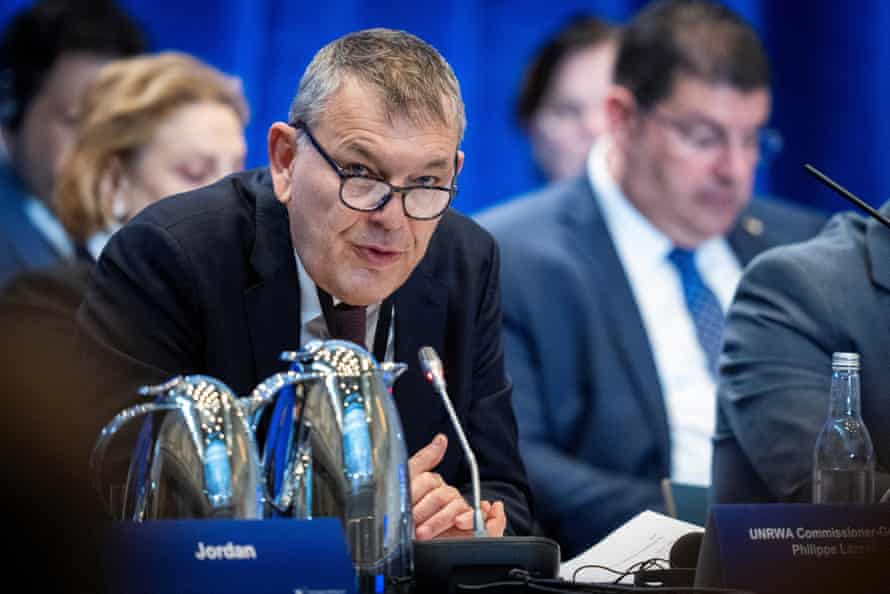
Former UNRWA commissioner general Philippe Lazzarini took the decision following consultations with UN Secretary-General António Guterres.
However, critics argued that dismissing employees on the basis of allegations that had not been adequately investigated undermined the principles of fairness and accountability expected of an international organisation.
The controversy also failed to prevent major funding consequences. The United States, under the Biden administration, paused financial support to UNRWA, while several other international donors temporarily suspended or reduced their contributions.
The resulting funding crisis reportedly created a shortfall of approximately $450 million, placing additional pressure on an organisation responsible for delivering critical assistance to Palestinians.
Chris Gunness, a former UNRWA spokesperson, strongly criticised the agency’s handling of the allegations.
“I have always said on the record that the Israeli allegations against Unrwa were the mother of all lies,” Gunness said.
He argued that the dismissals unfairly reinforced suspicions against the workers, contributed to donor withdrawals and worsened what he described as the most severe financial crisis in UNRWA’s history.
The controversy illustrated how allegations against individual employees could have consequences far beyond their personal employment, affecting the funding and operations of an organisation supporting millions of Palestinians.
Israel’s wider allegations against UNRWA remain disputed
The dispute over the dismissed employees formed part of a broader confrontation between Israel and UNRWA over the agency’s operations and alleged links to Hamas.
Israel has repeatedly accused UNRWA of being infiltrated by Hamas and argued that the organisation’s activities pose security concerns. The allegations have contributed to growing political pressure against the agency and its continued presence in Gaza and the occupied Palestinian territories.
In October 2024, the Israeli parliament voted to prohibit UNRWA from operating in Israel and restrict its activities, further intensifying the confrontation.
However, the allegations have also faced international scrutiny. The International Court of Justice stated in October 2025 that Israel had not substantiated claims that a significant portion of UNRWA employees belonged to Hamas or other terrorist factions.
The court’s position reinforced the distinction between allegations made against individual workers and claims suggesting widespread involvement of UNRWA personnel in militant organisations.
UN humanitarian operations affected by the controversy
UNRWA remains a central humanitarian organisation supporting Palestinians through food distribution, healthcare, education and emergency assistance.
The agency’s operations in Gaza have been particularly important amid widespread displacement, destruction of infrastructure and shortages of essential supplies.
The tribunal’s judgment has therefore raised questions about the consequences of dismissing humanitarian personnel without sufficiently established evidence, particularly when the decision can undermine donor confidence and disrupt emergency relief.
Read also:Burnham refuses to apologize over controversial Max Balegde video filmed outside No 10
https://swiftreportnow.com/burnham-refuses-to-apologize-max-balegde-video/
While the tribunal did not establish that all allegations against the dismissed employees were false, its findings highlighted serious weaknesses in the evidence used against Awad and the procedures followed in terminating his employment.
The ruling also renewed debate over the balance between security concerns, institutional accountability and the protection of humanitarian workers from unsubstantiated accusations.
Ultimately, the judgment represents a significant challenge to the justification behind the dismissals and underscores the importance of evidence, due process and independent investigations when allegations carry serious consequences for individuals and humanitarian operations.
About The Author