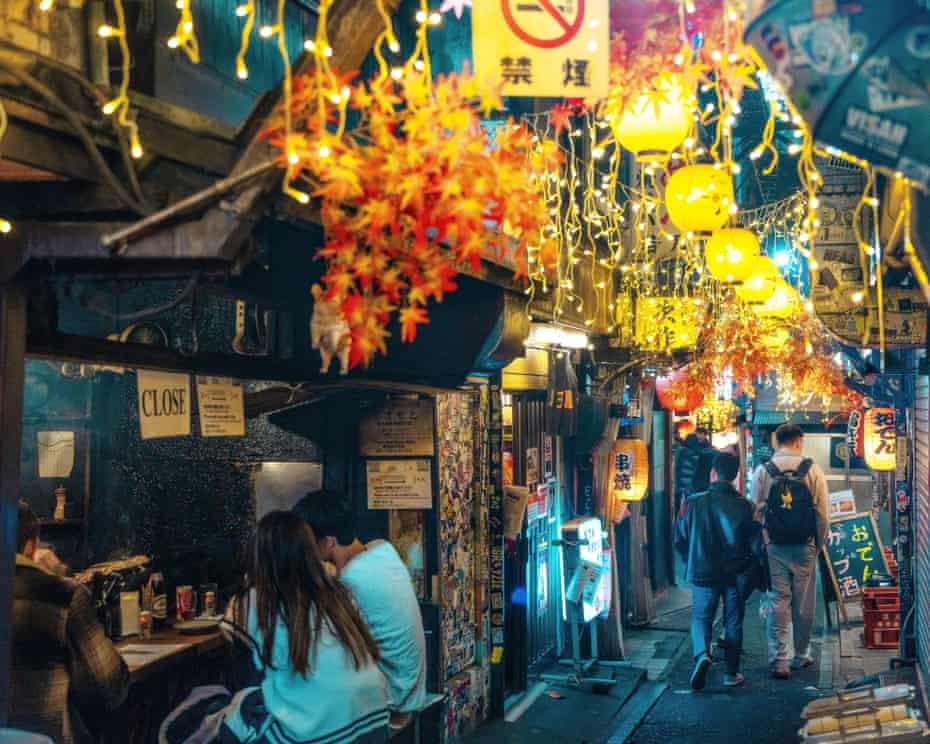
The Tokyo bar drink spiking problem has prompted the British embassy in Japan to launch a social media campaign warning tourists about criminals who allegedly target foreign visitors with drug-laced drinks and fraudulent credit card charges.
The campaign highlights growing reports of tourists being lured into bars in Tokyo’s popular nightlife districts, drugged and subsequently charged enormous sums without their knowledge. Young male visitors are particularly vulnerable to the reported scams.
The British embassy is urging travellers to remain alert, avoid following strangers into unfamiliar establishments and protect their drinks and personal belongings while enjoying Japan’s nightlife.
The warning comes as Japanese authorities face increasing pressure to tackle reported cases of drink spiking, financial extortion and credit card fraud involving international visitors.
British embassy uses social media campaign to warn tourists
The campaign features British rapper and manga artist Shao Dow, who frequently visits Japan and collaborated with the embassy to communicate the safety message.
In a video shared online, Dow acknowledges Japan’s reputation as a safe destination but cautions visitors against assuming that its generally low crime levels eliminate the risks associated with nightlife.
He says: “Japan is incredibly safe, that doesn’t mean you can let your guard down.”
Dow explains that young male tourists are particularly susceptible to approaches from individuals who promise opportunities to socialise with attractive, English-speaking women.
According to the warning, unsuspecting visitors may be persuaded to enter bars before being served drinks allegedly containing drugs. Once incapacitated, victims can face extraordinarily high bills charged to their credit cards.
Some tourists have reportedly lost as much as £30,000, equivalent to approximately $39,000, during a single night.
The victims may subsequently wake up with little or no memory of what happened, making it difficult for them to establish how the charges were accumulated or identify those responsible.
Dow delivers a direct message to visitors, urging them to exercise caution when approached by strangers.
“Look, do me a favour,” he says. “Stay alert, trust your gut, keep an eye on your stuff and don’t follow strangers into bars.”
Tokyo nightlife districts face growing reports of fraud
The reported incidents have been concentrated in popular entertainment districts, including Roppongi, Shibuya and Kabukicho.
These neighbourhoods attract large numbers of international visitors because of their restaurants, nightlife venues, entertainment establishments and busy streets.
However, the growing number of reported cases has raised concerns about the safety of tourists who may be unfamiliar with local nightlife practices or unable to recognise suspicious approaches.
The Tokyo bar drink spiking concerns have become particularly significant because some victims reportedly discover the extent of the financial losses only after leaving the establishments or returning home.
The British embassy’s warning therefore seeks to encourage visitors to recognise potential dangers before they become victims of the alleged operations.
The reported methods involve street touts approaching tourists and persuading them to enter particular bars. Once inside, customers may be presented with bills far exceeding what they expected to spend.
In some cases, the alleged charges have reached millions of yen, creating substantial financial losses for individual visitors.
The situation has placed pressure on Tokyo authorities to investigate establishments suspected of exploiting foreign customers and strengthen efforts to protect people visiting the city.
Police conduct raids in Kabukicho
Japanese police have already taken enforcement action against establishments suspected of exploiting customers.
Earlier in November, approximately 160 riot police officers conducted predawn raids on two establishments in Kabukicho following reports that customers had been financially exploited.
Five people were arrested during the operation.
The raids demonstrated the growing attention being given to the reported offences, particularly in areas where nightlife businesses attract large numbers of foreign tourists.
However, the scale of the reported incidents suggests that enforcement remains a significant challenge for authorities.
Police records show that between January and October, officers documented 340 cases in the Shinjuku area involving customers allegedly charged excessive sums.
That figure represented an increase of 195 cases compared with the corresponding period last year.
Some of the affected customers had reportedly been persuaded to enter bars by street touts before discovering that they were facing unexpectedly large bills.
One reported incident involved an alleged credit card charge of ¥9.6 million, approximately $60,000.
The amount illustrates the potential financial consequences of the alleged scams, particularly for visitors who may lose control of their ability to make informed decisions after consuming drugged drinks.
Foreign tourists account for majority of reported victims
Figures reported by Japan’s Asahi Shimbun newspaper indicate that victims have collectively paid approximately ¥390 million in connection with the incidents.
The newspaper also reported that foreign nationals accounted for 70% of the targeted customers.
The figures highlight the international dimension of the problem and explain why the British embassy has chosen to issue a specific warning to its citizens travelling to Japan.
A senior police investigator quoted by the newspaper suggested that the recorded cases represented only a small proportion of the actual problem.
The investigator described the reported crimes as the “tip of the iceberg”.
Many visitors reportedly return to their home countries before discovering that they have been defrauded. Others leave Japan without reporting their experiences to the police.
Such circumstances make it difficult for authorities to establish the full scale of the alleged operations and identify everyone involved.
The problem also creates challenges for victims seeking assistance after leaving the country, particularly when they need to dispute credit card transactions or provide evidence about what happened.
The reported financial losses, combined with the possibility of drink spiking and memory loss, have made the incidents a growing concern for international travellers.
Japan’s tourism boom adds pressure to nightlife safety
Reports have linked the increase in incidents to Japan’s rapidly expanding tourism industry.
The country welcomed a record 42.7 million international visitors last year, reflecting its popularity as a destination for overseas travellers.
Among them were approximately 530,000 visitors from the United Kingdom.
The growing number of tourists has brought economic opportunities to hotels, restaurants, transport operators and entertainment businesses.
However, the reported cases have raised questions about how authorities and businesses can ensure that visitors remain protected in busy nightlife districts.
For tourists unfamiliar with Tokyo, the combination of language barriers, unfamiliar surroundings and persistent approaches from strangers can make it harder to identify potentially dangerous situations.
The British embassy’s campaign is intended to ensure that visitors understand these risks before entering nightlife establishments.
The Tokyo bar drink spiking warning also reinforces the importance of monitoring drinks, keeping payment cards secure and questioning unusually high bills before authorising transactions.
Visitors are being encouraged to avoid establishments they are directed towards by unfamiliar individuals, particularly when the invitation involves promises of unusual entertainment or personal companionship.
Authorities face questions over scale of reported offences
The growing number of cases has placed the response of Japanese law enforcement under scrutiny.
Although police have conducted raids and made arrests, the reported increase in incidents suggests that further investigations may be necessary to establish the networks and practices behind the alleged exploitation.
The fact that some victims only discover the financial losses after returning home also complicates efforts to gather timely complaints and evidence.
The British embassy’s intervention brings additional international attention to the issue, especially because British nationals form part of Japan’s substantial overseas tourism market.
Read also: United Nations tribunal questions evidence behind dismissal of Palestinian aid workers over Israeli allegations
https://swiftreportnow.com/united-nations-tribunal-questions-evidence/
The embassy’s campaign does not suggest that Japan is generally unsafe. Instead, it warns that the country’s reputation for safety should not prevent visitors from exercising ordinary precautions.
The Japan National Tourism Organisation had been approached by The Guardian for comment on the reported incidents.
For now, the advice to visitors remains straightforward: stay alert, trust personal instincts, protect drinks and belongings, and avoid following strangers into unfamiliar bars.
About The Author