Russian missiles and drones reportedly entered Polish airspace during a massive overnight attack on Ukraine, prompting an emergency security response and renewed concerns about escalating tensions between Moscow and NATO.
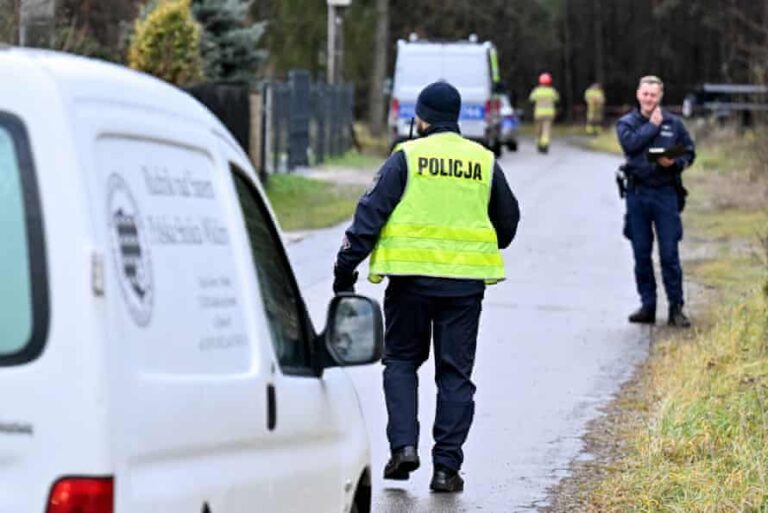
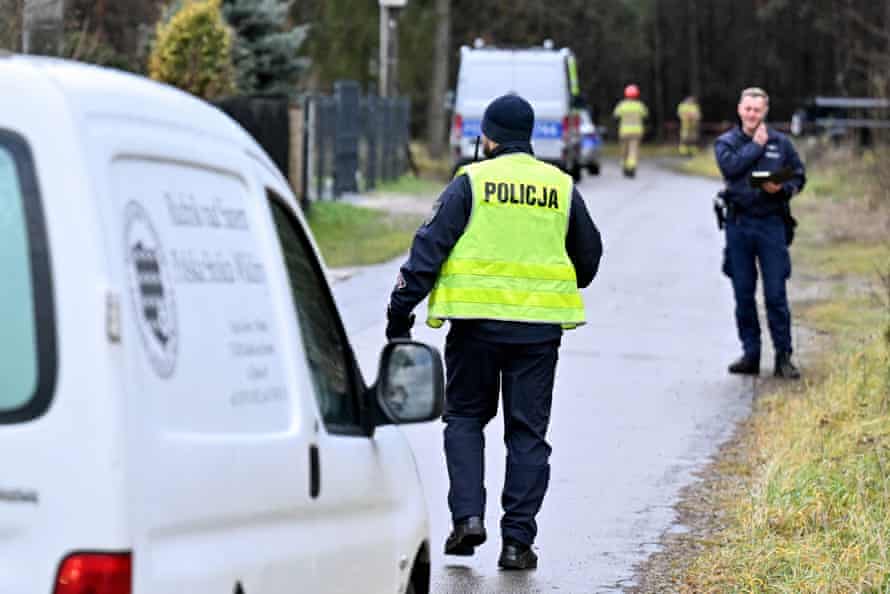
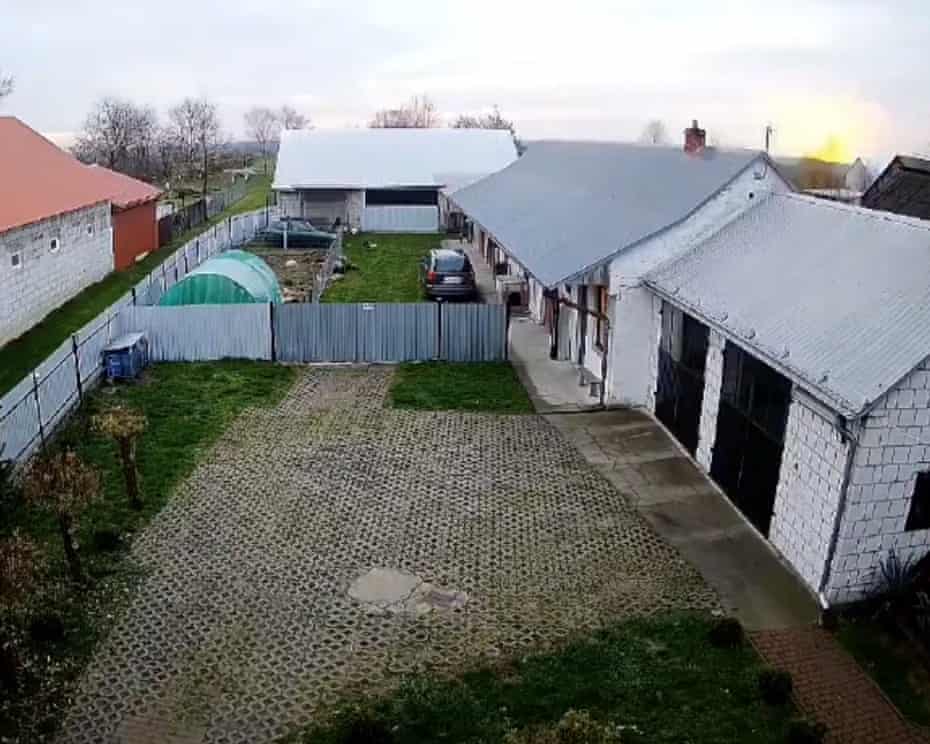
Poland confirmed three violations of its airspace, with reports indicating that two Russian cruise missiles and a jet-powered drone crashed within its territory. No injuries were reported in the incidents.
The incursions occurred as Western allies were conducting major military exercises involving troops from 11 countries under the coalition of the willing. The exercises were taking place near Nowa Dęba in southeastern Poland, raising concerns about the timing of the reported Russian incursions.
Polish Defence Minister Władysław Kosiniak-Kamysz said the incidents were not accidental, pointing to the coincidence with the military exercises involving Western forces.
The objects reportedly fell in Nowy Lipowiec, Mołodycz and Rudnik nad Sanem, locations situated between approximately 30 and 60 miles from the military exercise area.
Polish Prime Minister Donald Tusk described the incident as an intentional provocation by Russia, warning that the situation demonstrated the growing security challenges facing Poland and its allies.
Tusk said he had spoken with NATO Secretary-General Mark Rutte, who agreed that the timing of the incident did not appear coincidental. Rutte is expected to visit Warsaw on Saturday.
The Polish leader said the latest developments clearly indicated that the coming months would present significant challenges for the country and its security partners.
He also stressed that Poland must have a role in decisions concerning Ukraine’s future, arguing that Warsaw has a better understanding of the Russian threat because of its geographical position and direct exposure to the consequences of the war.
Ukraine’s President, Volodymyr Zelenskyy, described Russia’s overnight assault as one of the largest attacks since Moscow launched its full-scale invasion in 2022.
According to Zelenskyy, at least eight people were killed and nearly 30 others injured during the bombardment, which targeted several Ukrainian cities and regions.
He said the targets were civilian infrastructure, including facilities essential to people’s daily survival, accusing Russia of deliberately spreading destruction across the country.
Zelenskyy also criticised Russian President Vladimir Putin, arguing that Moscow had resorted to widespread attacks following diplomatic engagements with US President Donald Trump and Chinese President Xi Jinping.
The Ukrainian leader accused Russia of using terror to compensate for what he described as its military and diplomatic failures.
Polish military authorities said the overnight attacks involved an unprecedented number of Russian aerial weapons, including missiles and drones, increasing the danger of objects crossing into neighbouring countries.
Read also: Swindon sexual abuse trial: Four men convicted over assaults arranged by Philip Young
https://swiftreportnow.com/swindon-sexual-abuse-trial-four-men-convicted/
Maj Gen Ireneusz Nowak, commander of the operational command of the Polish armed forces, said as many as 11 objects had been identified as posing a threat to Polish airspace.
He said Russia deployed seven bombers and launched 26 Kalibr cruise missiles, 72 Kh-101 cruise missiles and more than 500 drones during the attack on Ukraine.
The scale of the bombardment triggered precautionary measures at Rzeszów-Jasionka airport, a major international passenger hub and important transit point for military assistance to Ukraine.
Air traffic control operations were briefly evacuated overnight, marking the first such incident at the airport since the beginning of Russia’s full-scale invasion.
Following the reported airspace violations, Tusk convened an emergency meeting with military commanders and security chiefs to assess the situation and discuss Poland’s response.
NATO Secretary-General Mark Rutte expressed solidarity with Poland, confirming that alliance aircraft had been scrambled in response to the violations.
Rutte said the incidents were dangerous consequences of Russia’s ongoing war against Ukraine, adding that NATO remained united in strengthening its deterrence and defensive capabilities.
The alliance chief condemned Russia’s attacks and reaffirmed continued support for Ukraine, stressing that member countries would maintain their collective security commitments.
British Defence Secretary Wes Streeting, who was in Poland for the Western military exercises, described the airspace incursion as very serious.
Streeting said Russia’s illegal war was increasingly affecting neighbouring countries beyond Ukraine, adding that Britain stood firmly alongside its allies.
Ukraine’s Foreign Minister, Andrii Sybiha, also warned that the latest violations demonstrated how Russian aggression threatened the wider European continent and transatlantic security.
Sybiha argued that Moscow’s discussions about a new European security architecture contradicted its actions, as Russian missiles and drones continued undermining the continent’s existing security arrangements.
He said ending the attacks would be an important first step towards strengthening European security and restoring stability.
Poland has repeatedly raised concerns about Russian aerial incursions and the possibility of the conflict spreading beyond Ukraine’s borders.
In July, a Russian Kh-101 cruise missile reportedly fell in Poland’s Lublin region after veering off course during an overnight attack on Ukraine.
In September 2025, more than 20 Russian drones crossed into Polish airspace, prompting Warsaw to warn that the country was closer to military conflict than at any time since the Second World War.
Another Russian Kh-55 missile crashed near Bydgoszcz in November 2022, although the object was not discovered until early 2023.
The latest incidents have intensified fears that Russia’s war against Ukraine could increasingly threaten NATO territory, raising questions about regional security, military preparedness and the possibility of further escalation.
About The Author