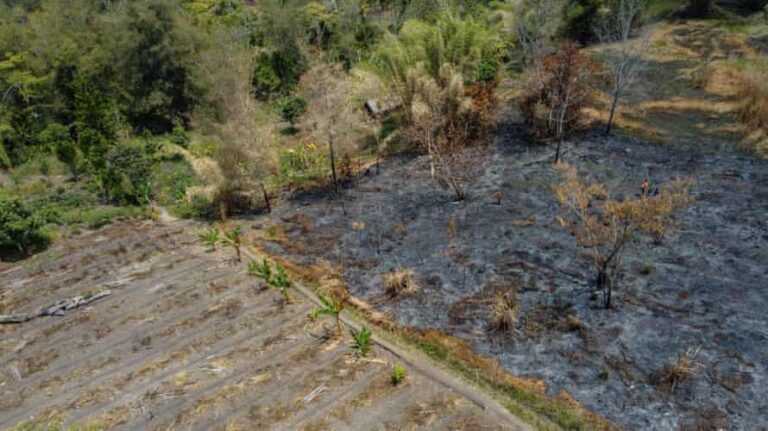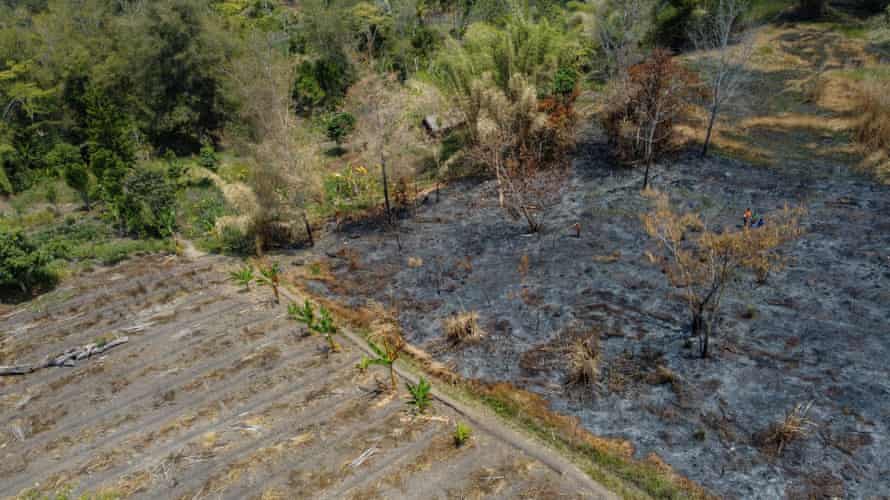
The Papua New Guinea El Niño drought crisis has affected as many as eight million people, triggering widespread food and water shortages, electricity blackouts, failing farms and disruptions to schools and healthcare services across the Pacific nation.
An influential coalition of churches, trade unions and business organisations has described the situation as a “national crisis”, warning that there appears to be “no coordinated plan to protect vulnerable communities from the worsening impacts of El Niño.”
Communities across the country are already experiencing severe consequences as rivers and streams disappear, agricultural land becomes increasingly unproductive and families struggle to secure basic necessities.
The drought has been particularly devastating for rural communities that depend heavily on rainfall to sustain their farms and provide food for their households.
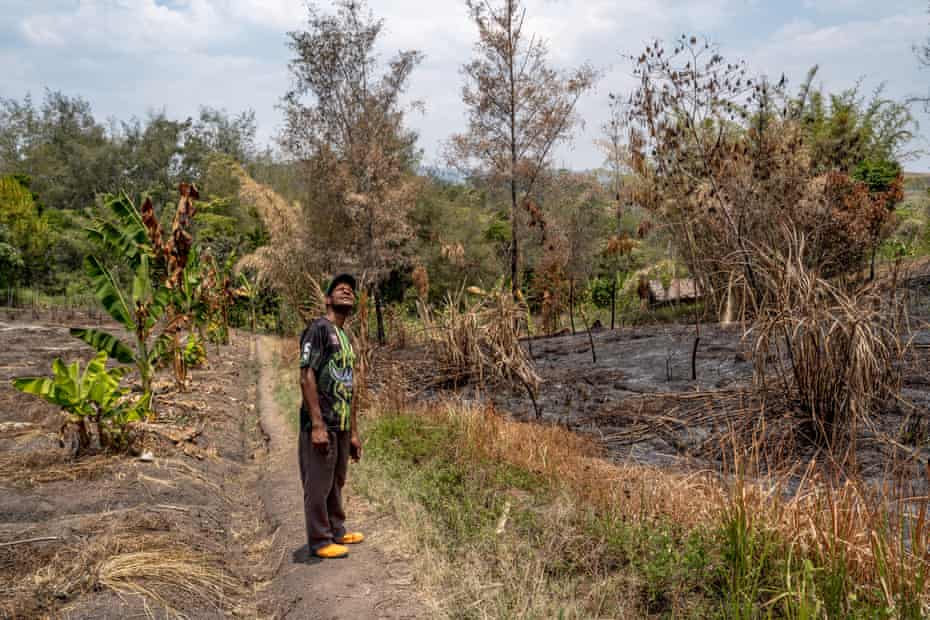
Residents and community leaders have reported that family food gardens, which provide both nourishment and income, have dried up. Some schools and health facilities have also been forced to reduce their operating hours or close early because they cannot obtain enough water to maintain essential services.
The situation has raised concerns about the country’s ability to protect vulnerable populations as forecasts indicate that the ongoing El Niño could become exceptionally powerful.
Papua New Guinea El Niño drought crisis threatens millions
The scale of the emergency has become increasingly apparent in rural areas, where families are struggling to cope with dwindling food supplies and limited access to drinking water.
Emilly Meren, humanitarian projects manager at CARE International in Papua New Guinea, said some households in the rural highlands had reduced their food consumption to just one meal daily.
She explained that food shortages were also contributing to disagreements and disputes between families within affected communities.
Women and girls are facing additional difficulties as traditional household responsibilities place greater demands on them during the crisis.
“For women and girls, they are expected to do more to support their families,” Meren said, explaining that they were often “the last to eat because they have to serve others first”.
The humanitarian manager disclosed that some women and girls were undertaking exhausting journeys to obtain food and water, exposing them to additional dangers.
“They have to travel three to four hours to source water and food and are exposed to a heightened risk of harassment. We are hearing stories of transactional sex happening in the community – exchanging sex for money or for food.”
The revelations highlight how the drought is creating consequences beyond agricultural losses, particularly for women and children who are increasingly vulnerable as household resources disappear.
With food gardens failing and water sources drying up, humanitarian organisations fear that the pressure on already struggling families could become more severe.
El Niño intensifies drought across the Pacific nation
The worsening conditions are linked to the El Niño climate pattern, which is gaining strength across the tropical Pacific.
Forecasts cited in the report suggest that the developing event could become the strongest ever recorded, with its effects compounded by global heating.
El Niño is a natural climate phenomenon associated with changes in ocean temperatures and atmospheric circulation. Its influence can alter rainfall patterns, producing severe dry conditions in some regions and heavier rainfall in others.
Papua New Guinea has been particularly exposed because much of its population depends on rain-fed agriculture.
Some parts of the country have received less than a quarter of their normal rainfall since August, leaving farms and water sources severely depleted.
The National Weather Service declared the onset of El Niño in June. However, Kasis Inape, the service’s assistant director, said drought conditions had already affected much of the country by that time.
According to Inape, approximately eight million people were already affected.
He explained that Papua New Guinea normally receives abundant rainfall because of its location in the tropical Pacific, but the developing El Niño has altered the movement of warm ocean waters.
“Because we’re a rain-fed country, a lot of our people are subsistence farmers and they depend just on rainfall to survive and to feed themselves,” he said.
Inape explained that the country was experiencing reduced rainfall because the warm tropical waters that support its weather patterns had shifted eastwards.
The development has left communities facing increasingly dry conditions at a time when they depend on regular rainfall to sustain crops and replenish water supplies.
Meteorologists fear shortened rainy season
Papua New Guinea’s main wet season normally runs from November to April, offering communities an opportunity to replenish water sources and restore agricultural production.
However, Inape warned that the developing El Niño could shorten the rainy season, potentially limiting the relief available to drought-affected communities.
Although some short-term rainfall has been forecast, he said the expected improvement might not be sufficient to reverse the damage already caused.
“The place is so dry – just two months of rain is not enough to allow crops to grow and water levels to be comfortable,” Inape said.
The warning raises concerns about the country’s food security because farmers require sustained rainfall to restore damaged gardens and produce enough food for their families.
Even if rain returns temporarily, depleted rivers, damaged crops and dry agricultural land may take longer to recover.
The possibility of a shortened wet season could therefore prolong the hardship, particularly in remote communities where alternative sources of food and water are limited.
Families in Morobe province struggle as rivers disappear
The drought has severely affected Bulolo district in Morobe province, where smaller rivers have dried up, leaving residents without reliable water for drinking, cooking and washing.
Theophil Zarack, a resident of the area, said the situation had forced schools and health centres to reduce their operating hours.
Some medical facilities were reportedly operating for only half a day, while certain clinics had stopped accepting inpatients because of insufficient water.
The situation illustrates the growing pressure on essential public services as the drought continues.
Martha Zureno, a resident of Leklu village, described how the disappearance of nearby rivers had disrupted everyday life for her family.
“All our rivers have dried up, including the one behind my house. Now, my children and I have to walk for miles every afternoon to fetch water for cooking and drinking from the other side,” she said.
Zureno explained that although residents had constructed a well, its water was not suitable for all household needs.
“We have a well that we dug ourselves, but we only use that water for washing. All the crops in our gardens have dried up and died, and we cannot grow anything now.”
The loss of agricultural production has also affected household incomes.
Many residents in the area depend on gold panning to earn money, but the disappearance of water has made that activity increasingly difficult.
Zureno said that without sufficient water, “even that has become increasingly difficult”.
For families already struggling with food shortages, the combination of failing crops and reduced opportunities to earn an income has made survival more challenging.
Hailstorm worsens food shortages in Enga province
While El Niño-driven drought remains a major concern, another extreme weather event has compounded the food crisis in parts of Papua New Guinea.
A destructive hailstorm struck sections of Enga province earlier in October, burying sweet potato crops beneath ice.
The storm was not directly attributed to El Niño, but its impact has further reduced food supplies in affected communities.
George Iki, president of the Sambe Unity Development Association, said the damage had added to the difficulties facing residents.
Sweet potatoes are an important food source for many households, making the destruction of crops particularly damaging.
The combination of prolonged dry conditions in some areas and destructive weather elsewhere demonstrates the multiple pressures confronting communities across the country.
Residents in drought-affected locations have also begun adopting different food preservation techniques in an attempt to protect what remains of their harvests.
However, such measures may offer only limited relief if the dry conditions continue and agricultural production remains severely disrupted.
Port Moresby faces electricity blackouts as dams run low
The crisis is no longer confined to rural communities, with the capital, Port Moresby, beginning to experience the effects of declining water levels.
PNG Power has introduced planned electricity blackouts after falling dam levels reduced the amount of water available for hydropower generation.
The electricity company warned that the disruptions could continue for as long as 10 months.
It is also managing water releases from dams to protect supplies for the capital, highlighting the competing demands created by the drought.
The development threatens households and businesses that depend on reliable electricity for their daily operations.
Peter Aitsi, a prominent business figure in Papua New Guinea and co-chair of the Community Coalition Against Corruption, said the government needed to undertake comprehensive assessments of the unfolding emergency.
He particularly emphasised the importance of understanding the consequences for rural communities, which have experienced the most direct effects of the drought.
Last month, the coalition described the situation as a “national crisis”.
Aitsi observed that urban centres had largely been shielded from the worst effects, although he warned that the situation could change as electricity disruptions spread and supplies of fresh food from drought-affected regions decline.
He also reported that Port Moresby had experienced a smoke haze during the preceding week.
The haze was attributed to fires elsewhere in Papua New Guinea and in Indonesia, with scientists saying the fires had been fuelled by El Niño conditions.
The spread of smoke into the capital provides another indication of how the drought and associated environmental conditions are affecting communities beyond the areas experiencing the most severe water shortages.
Business leaders demand proper assessment of the emergency
Aitsi has called on the government to undertake “proper assessments” of the crisis, particularly to establish the extent of the damage in rural communities.
The demand reflects concerns that the emergency could worsen without a coordinated response capable of identifying the most vulnerable populations and directing assistance where it is urgently needed.
The coalition involving churches, trade unions and business organisations has also raised concerns about the apparent absence of a comprehensive strategy to protect affected communities.
Its warning that there is “no coordinated plan to protect vulnerable communities from the worsening impacts of El Niño” highlights growing dissatisfaction over the response to the crisis.
The concerns are particularly significant because the drought affects several essential areas simultaneously, including agriculture, water supplies, electricity generation, education and healthcare.
A response focused on only one aspect of the emergency may therefore fail to address the wider humanitarian consequences.
Papua New Guinea government considers disaster funding
Prime Minister James Marape has directed provincial and district authorities to prepare for an extended period of dry weather.
His government is also examining financial arrangements intended to support disaster response efforts as the effects of El Niño continue.
Marape said the Cabinet was considering adjustments to existing financial procedures to make it easier for local authorities to respond to emergencies.
“Cabinet is looking at tailoring provisions of our financial instructions to make sure that districts and provinces are assisted to respond to disasters as they happen where appropriate,” the prime minister said.
The proposed arrangements could help provincial and district administrations access support when dealing with drought-related emergencies.
However, the scale of the crisis means that funding arrangements will need to translate into practical assistance for communities facing immediate shortages of food and water.
With millions affected, failing harvests, reduced hydropower generation and disrupted public services, the country faces a difficult period ahead.
The coming wet season will be particularly important. Yet meteorologists have warned that El Niño could shorten the period of rainfall, limiting the opportunity for recovery.
For families already walking long distances to collect water and surviving on reduced meals, the challenge is no longer simply preparing for a possible drought.
It is finding ways to survive an emergency that has already disrupted almost every aspect of daily life.
About The Author