The US-Russia Nord Stream gas deal is being explored as Washington and Moscow discuss the possibility of restoring Russian gas supplies to Europe amid the ongoing Ukraine war and continuing sanctions.
The proposal reportedly involves discussions over whether American investors could participate in efforts connected to the Nord Stream pipeline network, potentially creating a new commercial pathway for Russian energy supplies to European markets.
The discussions come at a sensitive moment for relations between Russia, the United States and Europe, with the war in Ukraine continuing to shape energy policy, sanctions and diplomatic relations across the continent.
Washington and Moscow discuss Nord Stream
According to people familiar with the discussions, Jared Kushner has been involved in talks with Russian envoy Kirill Dmitriev concerning possible investments and arrangements surrounding Nord Stream.
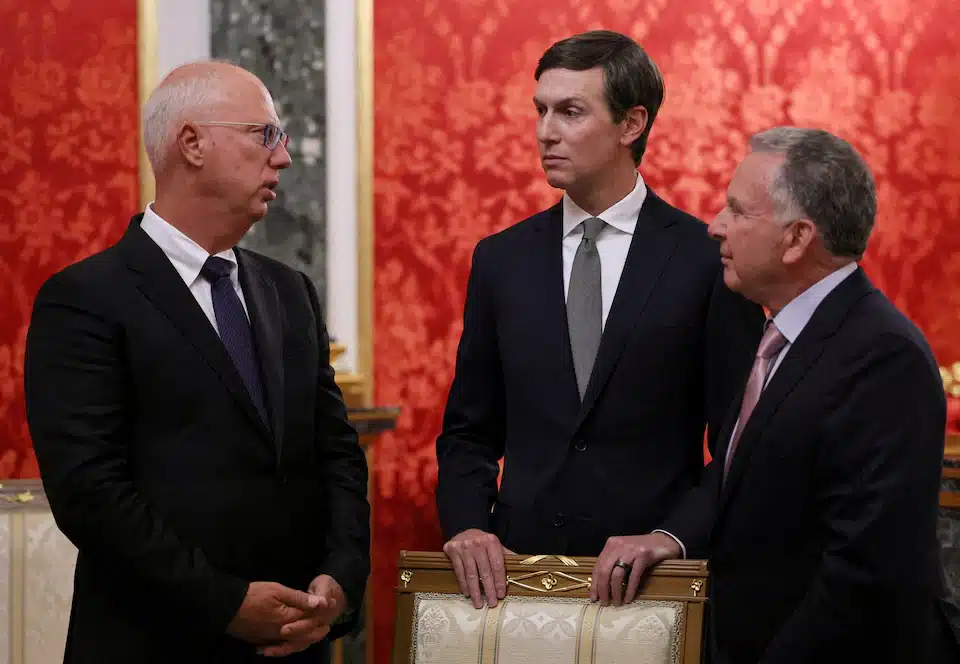
The discussions highlight the increasingly complex relationship between energy, investment and diplomacy as Washington explores potential areas of economic engagement with Moscow despite the continuing conflict in Ukraine.
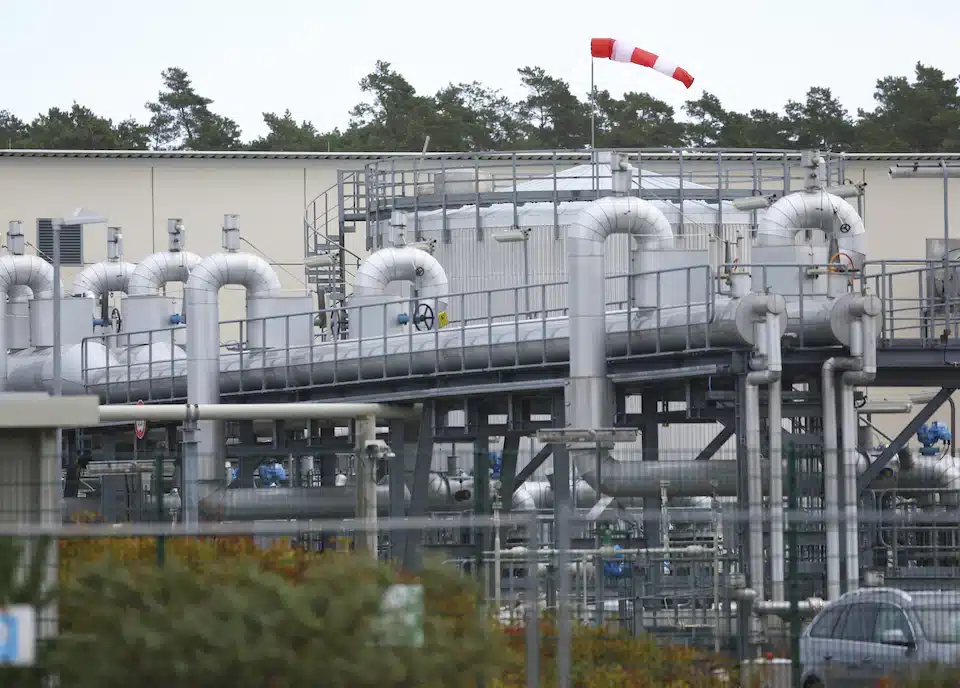
Nord Stream was designed to transport large volumes of Russian natural gas directly to Germany through pipelines beneath the Baltic Sea. The infrastructure became a major symbol of Europe’s dependence on Russian energy before the war fundamentally changed the continent’s energy strategy.
Potential role for American investors
The involvement of US investors could potentially provide a different ownership and financing structure for assets linked to the pipeline, although significant political, legal and sanctions-related obstacles remain.
Any attempt to revive Russian gas supplies through Nord Stream would require navigating restrictions imposed following Russia’s invasion of Ukraine. It would also face opposition from European governments that have sought to reduce their dependence on Russian energy.
The proposal therefore remains far from becoming a completed commercial agreement. Questions surrounding ownership, sanctions, financing and European approval could all determine whether the discussions develop into a concrete arrangement.
Germany remains opposed to reopening Nord Stream
Germany has previously moved away from its former dependence on Russian natural gas, particularly following Russia’s full-scale invasion of Ukraine.
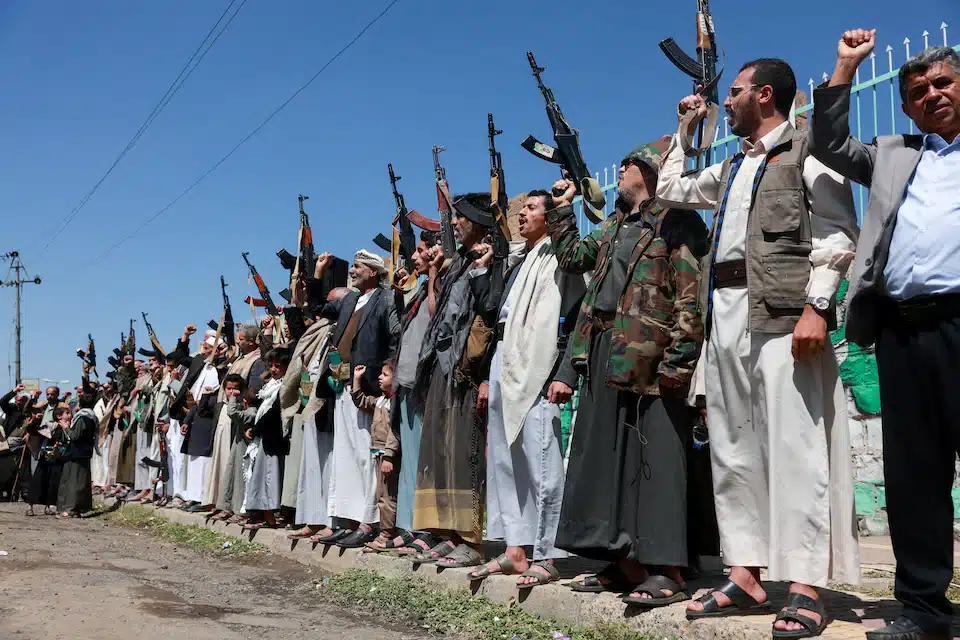
Read also: Houthi attack on Aden Airport escalates Yemen fighting as battle for Bab el-Mandeb intensifies
https://swiftreportnow.com/houthi-attack-on-aden-airport-escalates-yemen/
The German position represents one of the most important obstacles to any attempt to restore Nord Stream gas flows. Even if investors and governments reached an agreement, political resistance in Berlin could make the reopening of the infrastructure extremely difficult.
The pipelines have also been affected by sanctions and the broader deterioration in relations between Russia and Western countries. Their future has consequently become closely linked to the wider debate over European energy security.
Ukraine war remains central to the debate
The future of Nord Stream cannot easily be separated from the Ukraine war. European governments have treated energy dependence on Russia as both an economic and strategic vulnerability since the conflict began.
Before the war, Russian natural gas played a significant role in Europe’s energy system. The subsequent reduction in Russian supplies forced European countries to seek alternative sources, including liquefied natural gas, Norwegian gas and other energy supplies.
A return to Russian pipeline gas could therefore have major economic consequences, potentially affecting energy prices and Europe’s broader energy mix. However, it could also reignite political disagreements over whether Russian energy should be allowed back into European markets.
Wider negotiations over Russian assets
The Nord Stream discussions are reportedly occurring alongside broader conversations concerning Russian energy-related assets and potential investment opportunities.
Among the issues being considered are possible transactions involving assets connected to Russian companies, with American, Qatari and Emirati investors among those potentially interested in opportunities created by sanctions and restrictions.
Such arrangements could represent a broader attempt to identify areas where economic cooperation between Russia and the United States might become possible even while the two countries remain divided over the war.
However, major uncertainty remains over the legal framework governing any transaction involving sanctioned Russian companies or infrastructure.
European energy security faces a difficult choice
For Europe, the debate presents a difficult balance between energy costs, security and geopolitical considerations.
Lower-cost pipeline gas could potentially benefit European consumers and industries if Russian supplies were restored. But relying again on Russian energy could also revive concerns about strategic dependence and Moscow’s ability to use energy exports as a geopolitical tool.
European countries have spent years attempting to diversify their energy sources since the start of the Ukraine conflict. Reopening Nord Stream would therefore represent a significant policy reversal and could generate disagreement among European allies.
Nord Stream’s uncertain future
The possibility of an American-backed investment structure adds another dimension to the uncertain future of Nord Stream. It suggests that commercial interests could become part of wider diplomatic discussions between Washington and Moscow.
Nevertheless, discussions are not the same as an agreement, and numerous obstacles remain before Russian gas could realistically return through the pipelines.
Sanctions, ownership arrangements, German opposition, European energy policy and the unresolved Ukraine war could all prevent the proposal from progressing.
For now, the reported talks demonstrate how energy remains intertwined with diplomacy between Russia, the United States and Europe. The future of Nord Stream could ultimately depend not only on commercial calculations but also on how the war in Ukraine and relations between the major powers evolve.