Portugal‘s post-Ronaldo era has opened with a humiliating setback after Denmark demolished the former European champions 4-1 in Braga on Saturday, handing them their heaviest-ever home defeat in a competitive international match.
The result was particularly painful for Portuguese supporters, who had anticipated a memorable evening after their national team had already secured qualification for the UEFA Nations League quarter-finals. Instead, they watched their previously unbeaten side collapse against a confident Danish team.
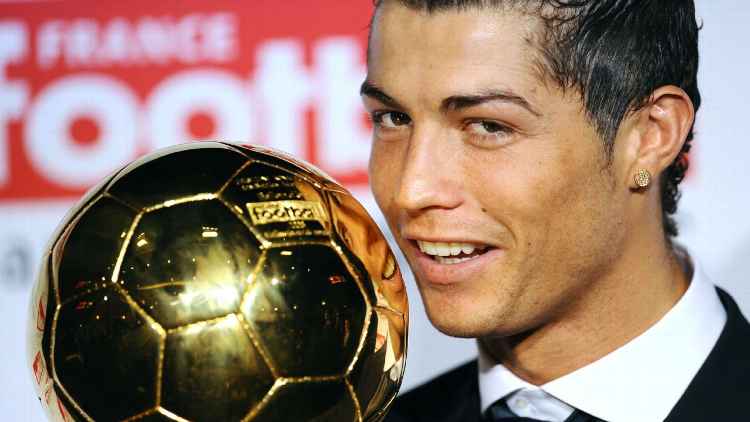
The encounter was also Portugal’s first since Cristiano Ronaldo announced his international retirement last week, bringing an extraordinary chapter in the country’s football history to an end.
Before kick-off, Portugal’s players paid tribute to their former captain by wearing his iconic number seven shirts. The gesture acknowledged the contribution of a footballer who had represented his country for more than two decades.
However, the emotional occasion quickly turned sour as Denmark exposed Portugal’s defensive weaknesses, scored four goals and left the home supporters demanding the return of their legendary former captain.
Denmark take advantage of Portugal’s defensive errors
Portugal struggled to establish control against Denmark, with the visitors demonstrating greater organisation and efficiency in the attacking areas.
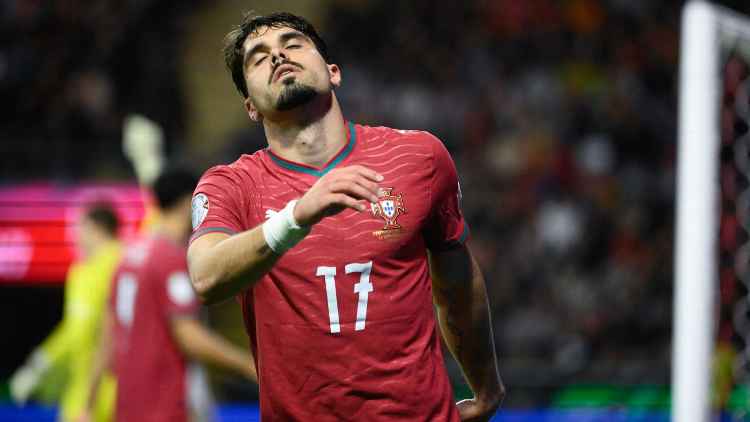
The opening goal arrived before the interval when Denmark captain Pierre-Emile Højbjerg converted a penalty after Portugal defender Rúben Dias was penalised for handball.
The spot kick gave Denmark an important advantage and left the hosts needing a much stronger second-half performance to avoid an embarrassing result.
However, Portugal’s problems became more pronounced after the restart.
Rasmus Højlund doubled Denmark’s lead in the 50th minute, finishing a well-worked team move with a volley that beat goalkeeper Diogo Costa.
The Manchester United forward struck again seven minutes later, taking advantage of space near the edge of the penalty area before evading Dias and firing a powerful effort beyond Costa.
His second goal left Portugal facing a three-goal deficit, while the home crowd grew increasingly restless.
Denmark continued to exploit the defensive uncertainty, showing little indication that they intended to settle for their advantage.
The visitors eventually added a fourth goal in the 75th minute through Joachim Andersen, who rose above the Portuguese defence to head the ball into the net.
The goal prompted sections of the home support to chant Ronaldo’s name, underlining their frustration with the team’s performance.
Bernardo Silva managed to score a stoppage-time consolation goal, but it did little to soften the embarrassment of a comprehensive defeat.
Portugal supporters turn their attention to Ronaldo
The reaction from the stands became one of the most striking features of the match.
Portugal supporters had entered the stadium expecting their team to celebrate qualification and demonstrate that they could continue performing at a high level without their former captain.
Instead, the chants for Ronaldo reflected the disappointment of fans who were struggling to accept the team’s poor display.
The players’ pre-match tribute to the 41-year-old had initially created an emotional atmosphere, but the heavy defeat transformed the occasion into an uncomfortable reminder of the enormous influence he had exerted on Portuguese football.
Ronaldo remains the country’s leading international goalscorer and appearance maker, with 146 goals in 234 matches.
His achievements over 23 years have made him one of the most influential figures in the history of the national team.
Nevertheless, the defeat against Denmark also raised questions about whether Portugal had developed sufficient alternatives to maintain their attacking threat and leadership without him.
Jorge Jesus rejects claims that Ronaldo’s absence caused defeat
Portugal head coach Jorge Jesus dismissed suggestions that his team’s poor performance was primarily connected to Ronaldo’s absence.
When asked whether the national team had missed the former captain, Jesus responded: “But what’s there to miss? If he’s no longer available for the national team, what exactly are we missing? Only if it’s someone to keep me company — he doesn’t play anymore, he’s not here, he’s already made up his mind about his situation.”
The coach’s response was notably blunt, particularly considering the emotional reaction from supporters inside the stadium.
However, Jesus subsequently acknowledged that Ronaldo’s contribution to Portuguese football was impossible to overlook.
“It’s got nothing to do with one thing or the other,” he said.
“It’s normal, people miss him and won’t forget what Cris achieved over 23 years with the national team — there’s no getting round that.”
Jesus also admitted that the result had been difficult for the players and supporters to accept.
“And so, the fact that some fans left [the stadium] while the team were losing 4-1 — nobody’s satisfied, nobody’s happy. We were not prepared for the possibility of losing here, let alone by 4-1.”
His comments reflected the disappointment surrounding a match Portugal had not expected to lose, particularly by such a considerable margin.
A record-breaking setback for the Portuguese national team
The 4-1 defeat established an unwanted record for Portugal.
Before Saturday’s encounter, the national team had suffered only four home defeats by a margin of at least two goals in competitive international matches.
Their most recent comparable loss had come against Italy in a 1993 World Cup qualifying fixture.
The result against Denmark therefore represented Portugal’s heaviest-ever home defeat in a competitive international match.
According to ESPN, the setback also ended the unbeaten run the Portuguese had carried into the Nations League encounter.
Although qualification for the quarter-finals had already been secured, the performance exposed problems that could become more serious when the competition reaches its decisive stages.
Portugal will need to address their defensive organisation, improve their response when opponents apply pressure and identify players capable of taking greater responsibility in important matches.
How Ronaldo’s departure unfolded
Ronaldo’s international retirement followed a disagreement with Jesus over his role in the national team.
His last appearance for Portugal came on September 24, when the side defeated Wales 1-0 at home in the Nations League.
Jesus subsequently left the forward on the bench for the following match and indicated that he did not intend to start him in the next fixture.
Ronaldo then decided to leave the national team’s training camp.
The coach later stated that the striker would be welcome to return, making clear that the decision rested with the player.
Ronaldo eventually announced his international retirement, ending his record-breaking career with Portugal.
The post-Ronaldo era now presents Jesus with the responsibility of building a team capable of competing successfully without a player whose goals, experience and leadership shaped Portuguese football for generations.
Portugal face important questions after Denmark humiliation
Saturday’s result should not be interpreted simply as proof that Portugal cannot succeed without Ronaldo. The defensive mistakes and collective shortcomings displayed against Denmark require attention regardless of who is available for selection.
The national team possesses considerable talent, but the match demonstrated that individual quality alone cannot guarantee success against an organised opponent.
Denmark capitalised on Portugal’s mistakes, attacked with conviction and maintained their advantage until the closing stages.
Portugal, meanwhile, struggled to create a meaningful response and allowed frustration to spread from the stands onto the pitch.
For Jesus, the priority will be restoring confidence and ensuring that the defeat does not undermine the team’s preparations for the Nations League quarter-finals.
The post-Ronaldo era has therefore begun with an unwanted record, but the more important test will be how Portugal respond when they return to competitive action.
Their supporters will expect a convincing improvement, while the debate surrounding Ronaldo’s departure is unlikely to disappear after such a disappointing first performance without him.
About The Author