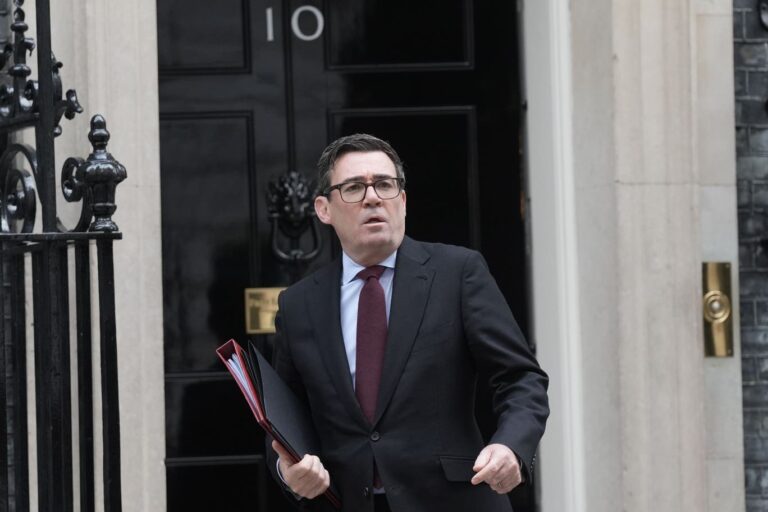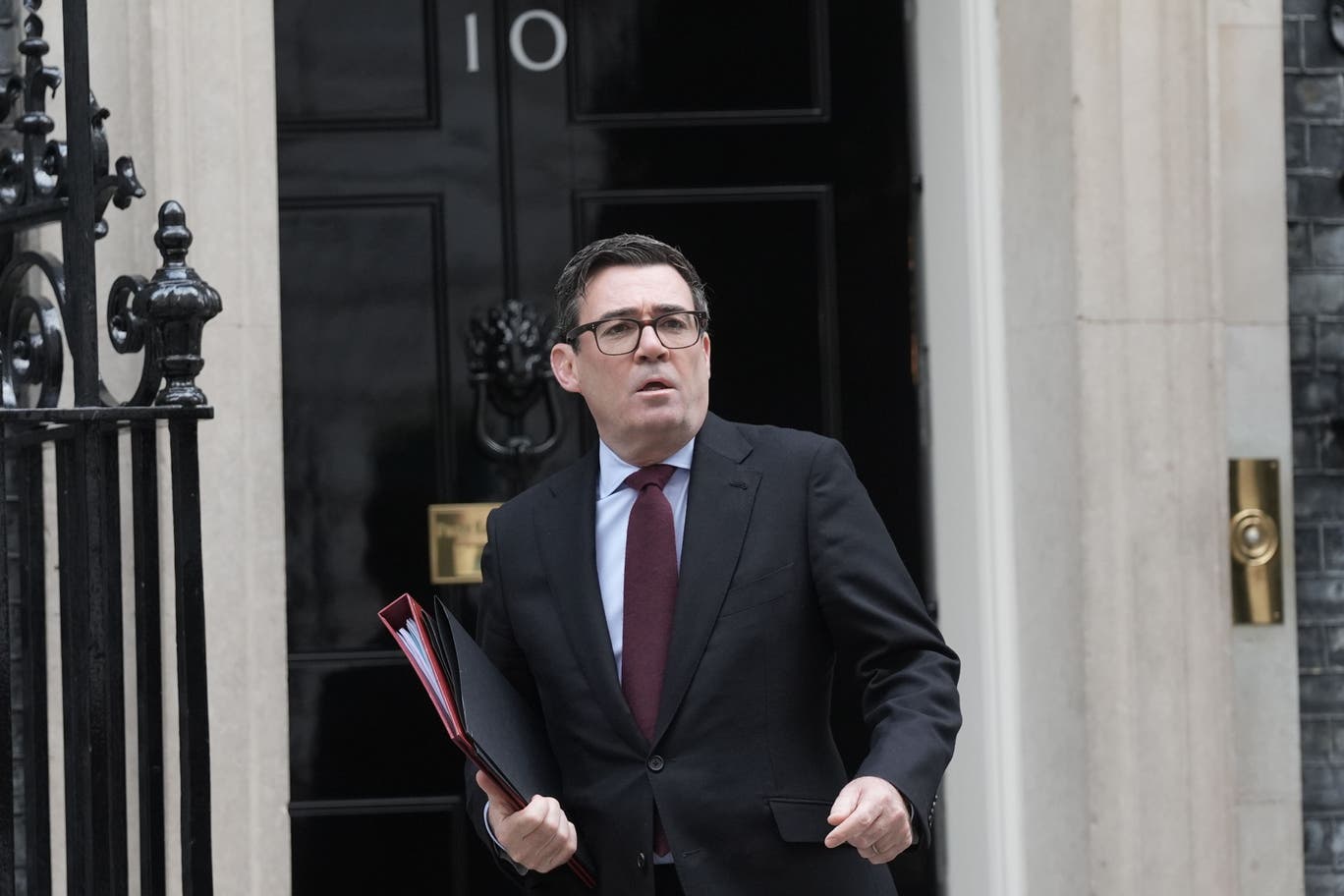
Andy Burnham has refused to apologize for engaging with young people following the Max Balegde video filmed at No 10, insisting that politicians must connect with social media personalities despite condemning the footage as “wrong” and “inappropriate”.
The prime minister defended his decision to engage with online influencers during Prime Minister’s Questions after Conservative leader Kemi Badenoch challenged him over a controversial TikTok video recorded outside the entrance to 10 Downing Street.
The footage, posted by social media personality Max Balegde, showed him lip-syncing to a song containing sexually explicit and offensive language outside the famous black door of the prime minister’s official residence.
Although Burnham acknowledged that the content was inappropriate, he rejected Badenoch’s demand for an apology, arguing that politicians should not abandon efforts to reach younger audiences through platforms and personalities they follow.
“I won’t apologise for engaging with young people,” the prime minister said.
He added that the video was wrong and inappropriate, while maintaining that the wider decision to communicate with social media influencers was necessary.
The controversy has placed the prime minister’s relationship with online content creators under political scrutiny, particularly after Downing Street hosted an event for influencers earlier in November.
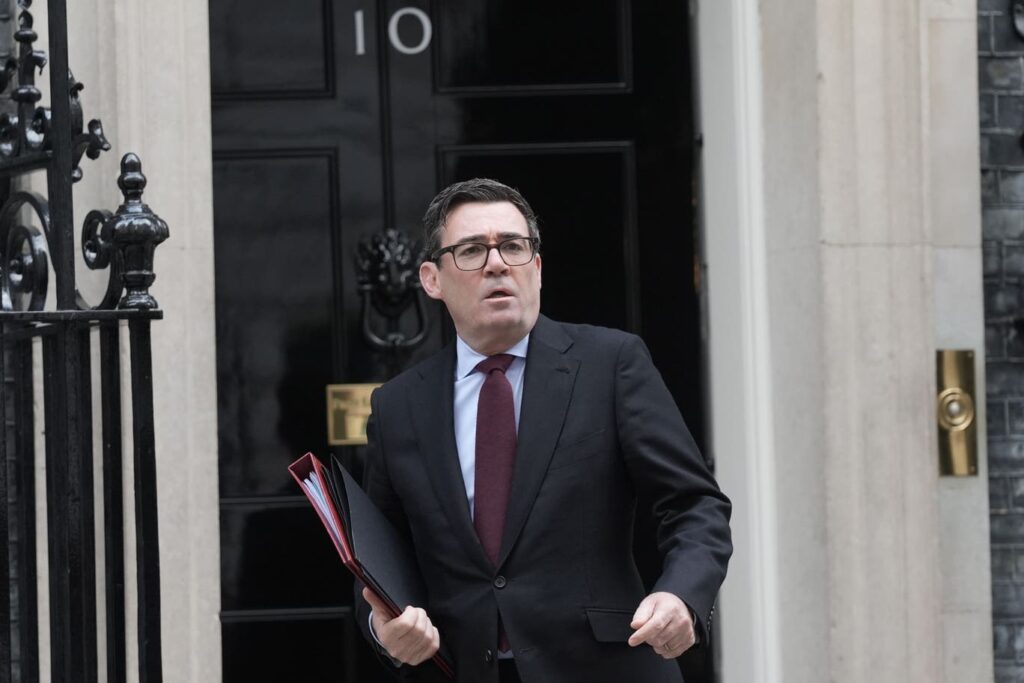
Badenoch confronts Burnham over the No 10 footage
The controversy became a major issue during Prime Minister’s Questions when Badenoch accused the prime minister of allowing the dignity of his office to be undermined by the recording.
The Conservative leader criticised the language used in the video, describing it as degrading to women and questioning the judgement behind allowing such content to be filmed outside the prime minister’s residence.
She said: “Disgusting and pejorative comments about women’s private parts, obscene language that referred to white women as cheap meat. This is grotesque.”
Badenoch also challenged Labour MPs over what she described as their silence on the issue, given the party’s stated commitment to tackling violence against women and girls.
She argued that the incident required a stronger response from the government and demanded that Burnham apologise for what she regarded as the debasement of his office.
“Labour MPs constantly tell us about their commitments to fighting violence against women and girls. Those MPs were silent yesterday. I won’t be,” she said.
She then asked the prime minister: “So will the prime minister now apologise for debasing his office and for allowing that vile video to be recorded on the steps of No 10?”
Burnham responded by separating his condemnation of the footage from his broader defence of engaging with influencers.
“An inappropriate video was taken down, and the creator has rightly apologised, and she was right to call out that because it was not acceptable,” he said.
However, he insisted that politicians should understand how younger generations consume information rather than dismissing the personalities who attract their attention.
“But I won’t apologise for engaging … with people that young people themselves are looking to for their information,” he added.
He accused Badenoch of sneering at TikTok creators and influencers, arguing that their popularity among younger audiences made them important channels for political communication.
“She sneers at TikTokers. She sneers at influencers. Young people are looking to these people for their information, and I won’t apologise for doing that,” Burnham said.
He reiterated that he had already acknowledged the video was wrong and noted that it had been removed.
What happened in Max Balegde’s controversial video?
The Max Balegde No 10 video showed the TikTok personality standing outside the main entrance to Downing Street while mouthing the words of a song containing explicit expressions.
The now-deleted post included the phrase “bomboclaat p****wagon chicken nuggets”, which became the focus of criticism after the footage circulated online.
The word “bomboclaat” is a Jamaican profanity referring to a menstrual cloth, while the censored expression in the phrase is slang for female genitalia.
The location of the recording added to the controversy because the footage was made directly outside the entrance to the prime minister’s official residence.
Balegde subsequently insisted that he had not intended to offend anyone and described his usual online content as humorous and light-hearted.
In his response, he apologised to people who found the video offensive but also criticised those he accused of deliberately portraying the footage negatively.
“My content is always meant to be silly, fun, and light-hearted. If anybody was offended by that video, I sincerely apologise,” he said.
However, he questioned why the video had attracted widespread criticism only after political opponents drew attention to it.
“Nobody was offended for weeks until revolting right-wing people tried to put this disgusting narrative on it,” he added.
He acknowledged that people could find the footage offensive and explained that he had removed it.
His response therefore combined an apology to those who were upset with a defence of his original intention, while rejecting what he considered an attempt to portray the video as something more serious.
Questions raised over influencer access to Downing Street
The controversy has also raised questions about the government’s decision to invite social media personalities to official events at Downing Street.
Balegde attended a reception at No 10 on 9 November, an event that was also attended by the prime minister.
A separate YouTube post filmed inside the building showed the influencer discussing the reception and making remarks about alcohol being available at the venue.
He claimed there was “wine on tap” but said he had been “shouted at for having a glass of wine downstairs”.
Another part of the footage showed him posing inside No 10 with a caption containing further sexually explicit language.
The posts attracted attention because they showed the influencer recording and sharing material from a government-hosted event.
Downing Street has declined to clarify whether officials knew about the controversial video before it appeared online.
It has also refused to rule out the possibility that Balegde could be invited to another event at the prime minister’s residence.
Read also: Indian Cockroach movement leader seeks court approval to travel to UK
https://swiftreportnow.com/indian-cockroach-movement-leader-seeks-court/
Asked whether the TikTok personality would receive another invitation, the prime minister’s official spokesman said: “I’m not going to get ahead of future events.”
The spokesman was also questioned about Balegde’s claim that Burnham had invited him for tea.
Rather than confirming or denying the suggestion, he repeated that he would not get ahead of “future receptions”.
The response has left questions about the influencer’s future access to Downing Street unanswered.
Bridget Phillipson defends engagement with influencers
Women and equalities minister Bridget Phillipson also addressed the controversy, describing Balegde’s video as unacceptable while defending the government’s broader approach to communicating with online personalities.
Phillipson said she was pleased that the footage had been removed and agreed that its content was inappropriate.
However, she argued that the prime minister was right to engage with influencers because younger people increasingly obtain information through social media platforms.
She defended the government’s decision to reach audiences through the personalities and channels they already follow, rather than restricting political communication to traditional media outlets.
Phillipson said the prime minister was right to try to “reach people where they are”.
Her position reflects the argument advanced by Burnham during Prime Minister’s Questions: that politicians can condemn inappropriate material without abandoning engagement with the wider online community.
The distinction has become central to the government’s defence as criticism continues over the footage.
Political dispute extends beyond the video
The disagreement between Burnham and Badenoch has developed into a wider debate about political communication, public standards and the responsibilities that accompany access to official government buildings.
For the government, engaging with influencers offers an opportunity to reach audiences who may not regularly follow conventional political broadcasts or newspaper coverage.
However, the controversy demonstrates the reputational risks that can arise when online personalities invited to official events publish material that attracts public criticism.
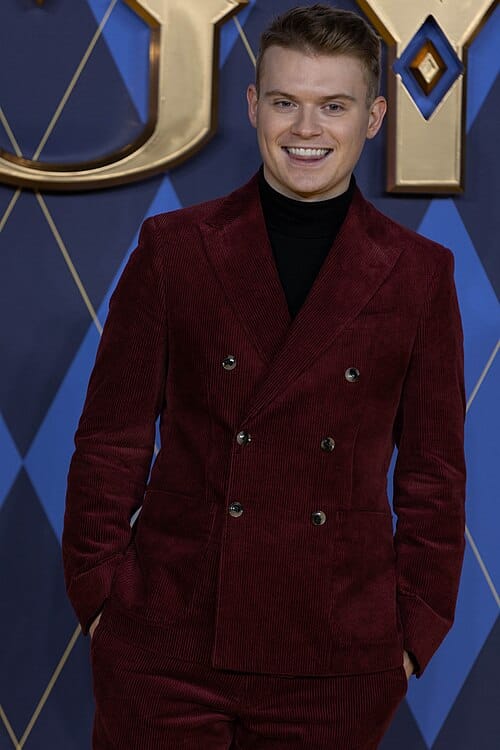
The location of Balegde’s video, particularly its proximity to the prime minister’s official residence, has intensified questions about the judgement exercised by those responsible for organising such engagements.
Badenoch’s criticism has focused on the language used in the footage and what she considers the failure to protect the dignity of the prime minister’s office.
Burnham, meanwhile, has maintained that the creator’s apology and removal of the video address the immediate incident, while insisting that engagement with young people remains important.
The prime minister’s refusal to apologise therefore does not amount to an endorsement of the video’s content. Rather, he has drawn a distinction between condemning the footage and defending the government’s decision to communicate with influencers.
With Downing Street yet to clarify whether Balegde will be invited back or whether officials knew about the video before publication, the questions surrounding the reception remain unresolved.
About The Author