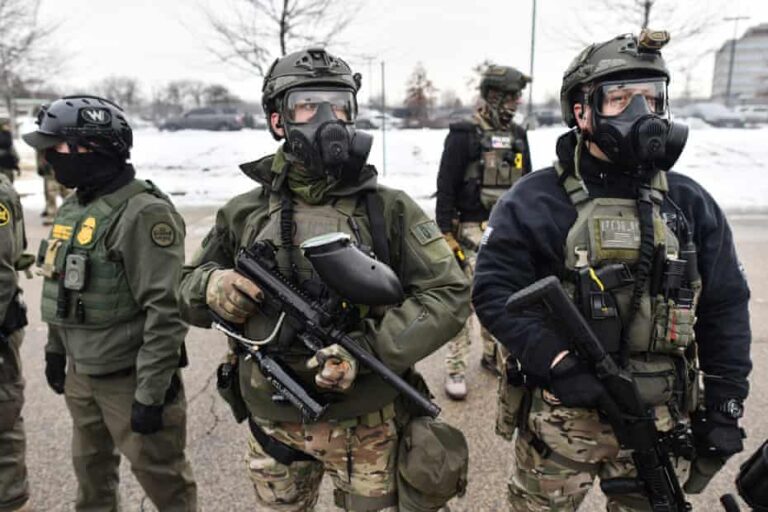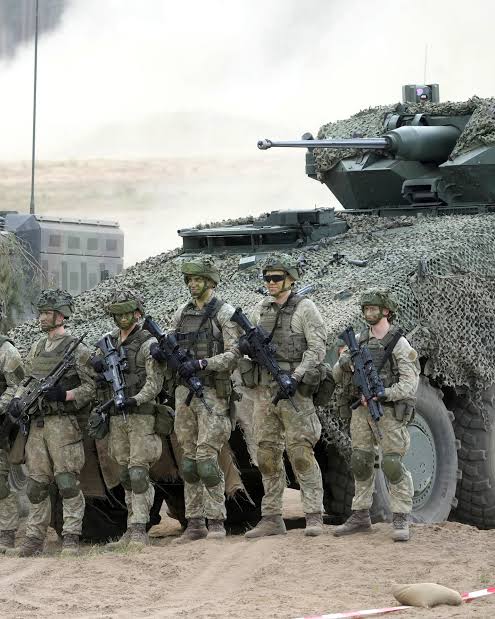
A proposed postwar security force could give European countries a direct military role in protecting Ukraine after a possible ceasefire, with Britain and France preparing a multinational deployment authorised to defend itself against Russian attacks.
The proposed arrangement forms part of Europe’s efforts to establish credible security guarantees for Kyiv without depending on American troops or military infrastructure.
Under the plans, European personnel deployed to Ukraine would be permitted to return fire if Russian forces attacked them. Officials have emphasised, however, that the mission would be defensive and would not involve initiating attacks against Russian positions.
The preparations come amid continuing uncertainty over diplomatic efforts to end the Russia-Ukraine war. Military strikes against energy infrastructure and other targets continue, while negotiations have yet to produce a lasting agreement.
Britain and France are expected to lead the proposed deployment, with several other European countries preparing to contribute troops and military capabilities.
The proposed postwar security force would operate outside Nato’s formal command structure, although several participating countries are members of the military alliance.
An official familiar with the planning explained the arrangements for protecting deployed personnel, saying: “Clearly we will protect our forces against any aggression.”
The official added that any engagement would be “defensive in nature”, indicating that troops would be authorised to protect themselves rather than initiate hostilities.
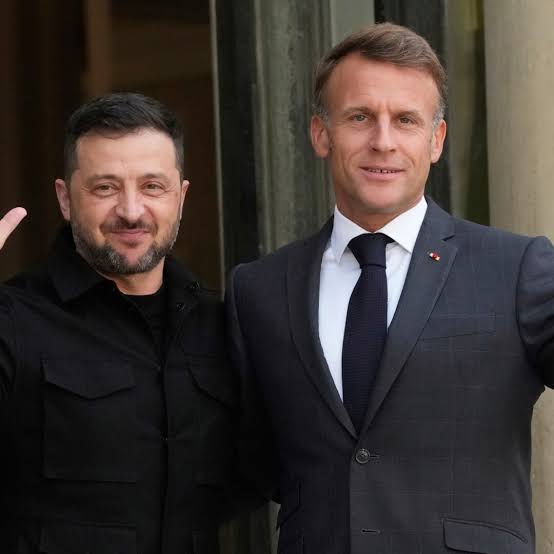
Europe prepares independent military guarantees for Ukraine
The preparations reflect growing European efforts to assume greater responsibility for Ukraine’s security if a ceasefire is eventually achieved.
US President Donald Trump has indicated that Washington will not commit American troops to a peacekeeping operation in Ukraine.
That position has increased pressure on European governments to develop a military arrangement capable of supporting Kyiv without requiring direct American troop participation.
The proposed postwar security force is therefore being planned with limited dependence on US-controlled military systems and communications infrastructure.
An official involved in the arrangements said: “We are not dependent on US systems,” referring to the proposed force’s ability to operate without relying on Starlink.
The statement highlights Europe’s determination to establish independent operational capabilities, particularly as questions about the reliability of American support have become increasingly important.
Last month, the United States temporarily restricted Ukraine’s access to Starshield services for approximately 10 days, reportedly affecting some medium-range drone missions.
The episode demonstrated how decisions concerning access to American technology can influence military operations.
European planners consequently want participating countries to maintain the communications and logistical capabilities necessary to carry out their responsibilities independently.
Defensive powers could become a sensitive issue
Allowing foreign troops to return fire if attacked introduces an important military consideration into the proposed deployment.
Although the force would be established to support Ukraine after a ceasefire, its personnel could still face threats from Russian military activity.
The proposed rules of engagement are intended to ensure that troops are not left unable to protect themselves if they come under attack.
However, any confrontation involving Russian forces could create serious diplomatic and military complications for participating governments.
The countries involved would therefore need clearly defined procedures covering the use of force, command responsibilities and the circumstances under which personnel could respond to aggression.
The distinction between defending deployed troops and participating in offensive military operations would remain central to the mission.
Eleven countries prepare for military exercise in Poland
European preparations are expected to receive a practical test during Exercise Koalicja, scheduled to take place in Poland later in November.
The exercise will involve 11 countries, with approximately 2,800 soldiers, sailors and aviators expected to participate.
France is preparing to contribute around 1,500 personnel from its 1st Division, while Britain will provide 300 members of the 7th Light Mechanised Brigade.
Other participating countries include Poland, Germany, Belgium, Estonia, Lithuania, the Netherlands, Spain, Sweden and Turkey.
The exercise will assess the participating militaries’ ability to mobilise personnel quickly, coordinate their activities and operate together during a multinational deployment.
It will also provide an opportunity to examine the logistical requirements involved in moving troops and military equipment across national borders.
Lieutenant General Tom Bateman, the force commander, described the participating governments’ commitment as an important part of preparations for Ukraine’s future security.
He said countries were committed “to providing robust and binding security guarantees for Ukraine following a cessation of hostilities”.
Bateman explained that the exercise would test “military preparedness, rapid deployment capabilities and ability to operate effectively”.
The drills are expected to help determine whether participating countries can translate their political commitments into practical military arrangements.
Proposed mission would strengthen Ukraine’s armed forces
Beyond providing a security presence, the deployment is intended to contribute to rebuilding Ukraine’s military capabilities after the fighting ends.
The mission is expected to assist in “regenerating and strengthening” the country’s armed forces.
Its personnel are expected to operate well away from the frontline rather than being positioned to participate directly in combat operations.
This distinction is important because the proposed force would support Ukraine’s longer-term security rather than replace its own military.
A strengthened Ukrainian military could form an important part of the country’s ability to defend itself after an agreement with Russia.
The European deployment would therefore complement wider efforts to provide Kyiv with security guarantees and reduce the possibility of another outbreak of hostilities.
Nevertheless, the mission’s effectiveness would depend on participating governments maintaining their commitments and providing the resources required.
Continuing attacks complicate prospects for a ceasefire
The preparations are taking place while military operations continue to affect both countries.
Russia and Ukraine have continued attacking energy infrastructure, putting pressure on facilities that are essential for civilian life and economic activity.
Cybersecurity concerns have also emerged following attacks affecting air-raid warning applications in both countries on Sunday and Monday.
Ukraine’s warning application was reportedly compromised, briefly displaying false alerts about nuclear and chemical threats, alongside warnings of street fighting.
The incident raised concerns about the vulnerability of civilian information systems during wartime.
Air-raid applications are important because they provide residents with warnings about potential attacks and information that can help them take protective action.
Interference with these systems could create confusion and undermine public confidence in emergency communication infrastructure.
Diplomatic efforts have meanwhile struggled to produce a breakthrough, although a possible US-brokered three-way meeting later in November has been discussed.
The continuing violence makes the proposed postwar security force a contingency arrangement rather than evidence that a ceasefire is imminent.
Britain’s military commitments extend beyond Europe
Britain’s ability to contribute personnel and equipment to Ukraine must also be considered alongside its other international military responsibilities.
The UK has maintained security commitments in the Middle East, including operations involving Royal Air Force Typhoon fighter jets.
During the spring, British Typhoons carried out sorties from Qatar to help protect Gulf states.
Britain also pledged support to Saudi Arabia last month in responding to missile and drone attacks by Yemen’s Houthi movement.
These commitments demonstrate the range of military responsibilities being handled by British forces.
Any additional deployment to Ukraine would require decisions about personnel, equipment, operational capacity and the resources available for existing commitments.
France is also expected to play a substantial role, with its proposed contribution representing the largest national contingent identified for the planned exercise.
The two countries’ leadership will therefore be important in determining whether the multinational arrangement can move from preparation to actual deployment.
Fighter jets and Black Sea operations could expand security plans
The wider European proposals could include additional military activities designed to restore normal operations in Ukraine.
European fighter jets may be considered for patrol duties to help reopen commercial airports, providing protection against potential aerial threats.
The possibility would depend on security conditions following a ceasefire and the willingness of participating governments to commit aircraft.
Turkey is also expected to lead mine-clearance operations in the Black Sea.
Removing maritime mines would help restore safer shipping routes and support the reopening of commercial trade.
This is particularly important for Ukraine’s agricultural exports, including grain shipments that depend on access to maritime transport.
Restoring commercial movement through the Black Sea could contribute to economic recovery and strengthen Ukraine’s ability to resume normal trading activities.
The proposed air and maritime arrangements would complement the deployment of ground troops, creating a broader framework for supporting Ukraine after the war.
However, these measures would not remove the need for a credible political settlement or guarantee that Russia would accept the presence of foreign troops.
For European governments, the immediate challenge is to prepare a force capable of protecting its personnel, supporting Ukraine’s recovery and operating without direct American troop participation.
The planned military exercise in Poland will provide an opportunity to assess whether the participating countries possess the readiness and coordination required to deliver those commitments.
About The Author