The Tyson Fury vs Anthony Joshua fight is attracting attention as one of boxing’s most commercially valuable heavyweight contests, but questions remain about whether the long-awaited showdown will deliver sporting significance or primarily capitalise on the fighters’ celebrity status.
The two British heavyweights are finally preparing to meet after years of speculation, missed opportunities and unsuccessful attempts to arrange a contest that could have defined an era of British boxing.
However, a commentary published by The Guardian argues that the timing of the fight reflects the commercial interests of modern boxing more than the sporting principle of ensuring the best fighters face one another at their peak.
The article, written by Jonathan Liew, suggests that the fight has reached a point where its commercial potential remains enormous, even though the sporting stakes may not be as high as they would have been several years ago.
Why the Fury vs Joshua fight is happening now
The proposed heavyweight showdown has been discussed for years, with supporters repeatedly hoping to see the two British stars settle the question of who is the superior fighter.
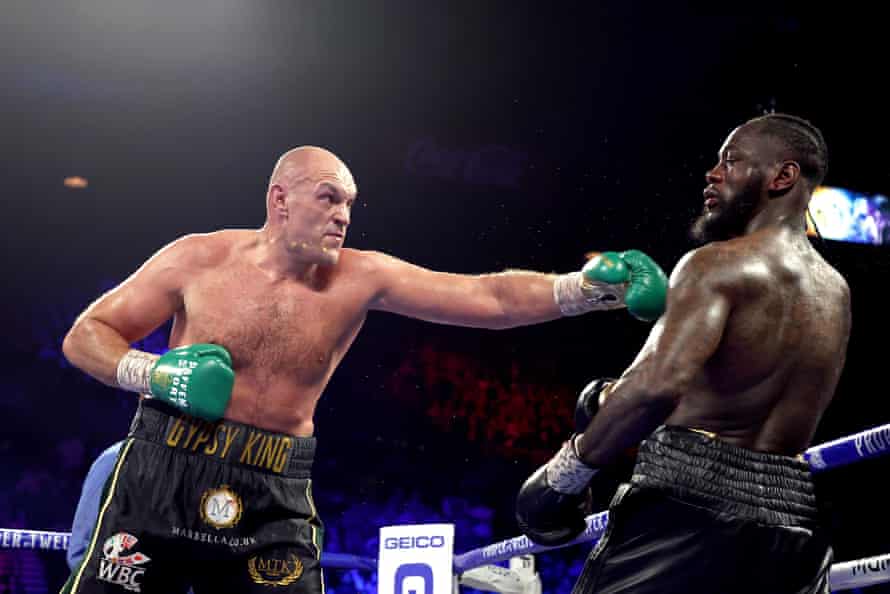
Tyson Fury, 38, and Anthony Joshua, 36, have both enjoyed successful careers and attracted enormous audiences. Yet their paths have repeatedly failed to converge at the moment when a contest between them could have carried the greatest sporting consequences.
Liew argues that the fight is happening at a commercially favourable moment, when public interest remains strong but neither boxer is necessarily at the peak of his career.
He describes the timing as the point where commercial potential meets an absence of genuine jeopardy.
The commercial value of a delayed showdown
According to the Guardian commentary, the fight could be worth approximately £150 million, illustrating the enormous financial rewards attached to a contest between two internationally recognised heavyweight names.
The article recalls Joshua’s statement in April 2016: “We will get it on at the right time.”
Liew argues that arranging the fight at that earlier stage would have generated a smaller financial return than the amount now associated with the proposed contest.
The delay has allowed anticipation to build over several years, keeping fans interested in a matchup that has repeatedly appeared possible but remained unrealised.
However, the central criticism is that commercial considerations have taken priority over the sporting urgency of arranging major fights while both competitors are at their strongest.
How boxing’s business model has changed
Professional boxing has always combined athletic competition with entertainment, promotion and commercial spectacle. The sport depends on attracting audiences willing to pay to watch fighters compete.
However, Liew argues that the balance between sporting merit and celebrity influence has increasingly shifted.
In many other sports, governing bodies and competition structures help ensure that leading competitors meet through tournaments, rankings and qualification systems.
Boxing operates differently. Promoters, broadcasters, managers and fighters often have considerable influence over which contests happen, when they take place and how much money they generate.
Why the best fighters do not always face one another
The absence of a single structure compelling elite boxers to meet can result in major fights being delayed or abandoned while other contests are arranged.
Commercial negotiations, promotional rivalries, contractual disputes and disagreements over financial terms can all affect whether a matchup becomes reality.
The Fury-Joshua saga illustrates the problem identified by Liew: a fight with enormous public interest can remain unresolved for years, even when supporters repeatedly call for it to happen.
The result is a sport in which the biggest commercial event is not necessarily the contest that best establishes sporting superiority.
Tyson Fury’s career and repeated retirements
Fury’s career has included major victories, periods away from boxing and several retirement announcements.
Liew points to the heavyweight’s previous retirements in 2013, 2016, 2017, 2022 and the period between 2025 and 2026, arguing that the repeated changes have contributed to the prolonged uncertainty surrounding his career.
The Guardian commentary also notes that Fury spent a significant period away from the sport while dealing with doping-related proceedings, substance abuse and mental health difficulties.
He subsequently fought a trilogy against American heavyweight Deontay Wilder, a series that produced several highly competitive contests but also delayed other potential matchups.
Read also: Manchester United Joshua Zirkzee transfer: £30m price set as Amorim eyes reunion at AC Milan
https://swiftreportnow.com/manchester-united-joshua-zirkzee-transfer-30m/
The Deontay Wilder trilogy
Fury’s rivalry with Wilder became one of the defining heavyweight stories of its period.
Their contests generated substantial interest and included dramatic moments, but Liew argues that the trilogy also meant other major fights were left waiting.
The long-running possibility of Fury facing Joshua remained unresolved as the two heavyweights pursued different opponents and navigated their own career challenges.
The debate is not simply about whether Fury and Joshua should have fought earlier. It also raises questions about how boxing’s promotional and commercial structure influences the timing of its most anticipated contests.
Sporting excellence versus celebrity power
One of the Guardian article’s central arguments is that modern boxing increasingly operates between two competing forces: sporting achievement and celebrity-driven popularity.
Liew identifies young British heavyweight Moses Itauma as an example of a boxer whose ability may not yet have translated into widespread public recognition.
He also points to the anticipated all-British contest between Daniel Dubois and Fabio Wardley, arguing that a fight can carry considerable sporting significance without generating the same level of mainstream attention as celebrity-led events.
Jake Paul and the rise of celebrity boxing
The commentary contrasts these examples with Jake Paul, the internet personality who has become one of boxing’s commercially recognisable names.
Paul’s popularity illustrates how a fighter’s audience beyond traditional boxing can influence the financial attractiveness of a contest.
Liew also references Oleksandr Usyk, widely regarded as one of the leading heavyweights of his generation, alongside the possibility of a fight involving Floyd Mayweather Jr and Mike Tyson.
The broader concern is that celebrity and promotional value can sometimes overshadow sporting credentials when major fights are selected and marketed.
This does not mean celebrity-driven contests cannot attract legitimate public interest. Rather, the debate centres on whether commercial popularity is increasingly determining which fighters receive the greatest attention and financial rewards.
Could Fury vs Joshua lead to another rematch?
The possibility of a rematch could add another commercial dimension to the heavyweight rivalry.
Liew raises the question of whether resolving the matchup decisively would serve the interests of everyone involved, given the potential financial rewards of a further contest.
If the first fight attracts a substantial audience, a rematch could become another major revenue opportunity for the fighters, promoters and broadcasters.
However, the prospect also reinforces the concern that a commercially successful rivalry might be extended rather than resolved at the earliest opportunity.
For boxing supporters, the central issue is whether the contest will provide a meaningful sporting conclusion or become another stage in a prolonged commercial story.
What the fight means for British boxing
Fury and Joshua have both played important roles in keeping British heavyweight boxing in the international spotlight.
Their achievements, public profiles and contrasting personalities have helped generate interest beyond the sport’s traditional audience.
A contest between them could therefore become a major moment for British boxing, regardless of the arguments surrounding its timing.
Nevertheless, Liew suggests that the fight’s legacy will depend partly on whether it delivers the sporting significance that supporters have anticipated for so long.
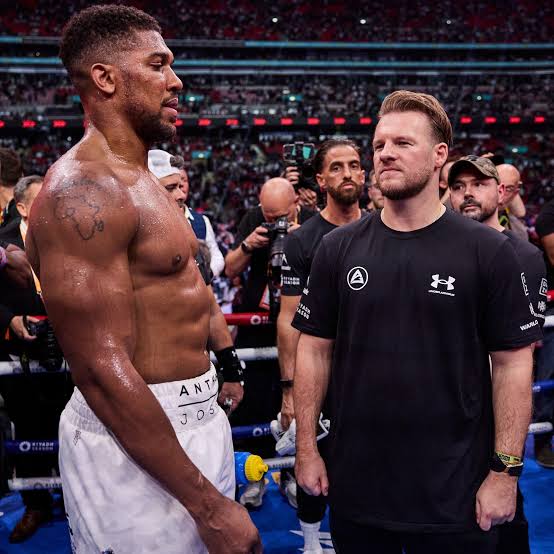
The article contrasts the excitement surrounding the proposed showdown with the possibility that the fighters have passed their competitive peaks, making the contest less consequential than it might have been several years ago.
A major boxing spectacle with questions over its sporting value
The Tyson Fury-Anthony Joshua rivalry illustrates the complicated relationship between sport, entertainment and commercial interests in modern professional boxing.
The financial potential of the fight is enormous, and years of anticipation have helped preserve public interest. Yet the delay has also intensified questions about why two of Britain’s most recognisable heavyweight boxers did not meet earlier in their careers.
Jonathan Liew’s Guardian commentary argues that boxing risks losing some of its sporting credibility when celebrity status and commercial opportunities take precedence over contests between the best available competitors.
Ultimately, the fight will be judged not only by its financial success but also by what happens inside the ring and whether it provides the competitive answer boxing fans have awaited for years.
Read more: swiftreportnow