The fake court orders scandal in India has reached Prime Minister Narendra Modi’s office, which has summoned the country’s telecommunications secretary to explain how government officials authorized the blocking of 129 websites using fraudulent judicial documents.
Two government officials familiar with the matter told Reuters that Telecom Secretary Amit Agrawal had been instructed to appear before Modi’s office on Saturday to account for the failure. The summons also forced him to cut short an official trip to another state.
The intervention signals growing concern within the Indian government following revelations that officials in the Department of Telecommunications relied on fabricated High Court orders to direct internet providers to block 129 illegal betting websites.
Reuters reported earlier in the week that individuals posing as lawyers had emailed the fake court documents to telecommunications officials, who subsequently used them as the basis for issuing website-blocking instructions.
Although online betting is illegal in India, the discovery has raised broader questions about the security of the country’s internet content-removal system and whether fraudulent documents could be used to silence legitimate online platforms.
The case has prompted a criminal investigation by state police into suspected forgery and cheating by unidentified individuals. The telecommunications ministry has also launched an internal inquiry into how the documents passed through official channels.
Modi’s office demands answers from senior telecom official
Agrawal is the most senior bureaucrat in India’s telecommunications ministry, which supervises major telecommunications companies and internet service providers.
His position places him at the centre of the government department responsible for implementing the instructions that led to the blocking of the websites.
One of the government officials who spoke to Reuters said the Department of Telecommunications had acted through its field officers.
“The action taken by the Department of Telecommunications against betting accounts was carried out through the relevant field officers,” the official said.
However, the explanation did not resolve questions about the procedures used to verify the court documents before the blocking instructions were issued.
Agrawal, the telecommunications ministry and Modi’s office did not respond to requests for comment.
The decision to summon the secretary personally suggests that the government wants a clearer account of how the fraudulent orders were received, examined and ultimately treated as genuine judicial instructions.
Read also: FAA air traffic crisis exposes weaknesses in ageing US aviation network
https://swiftreportnow.com/faa-air-traffic-crisis-exposes-weakness/
The fake court orders scandal has become particularly sensitive because the documents were not simply circulated privately. They appeared on an official government website alongside correspondence showing that authorities had instructed internet providers to take down the targeted platforms.
Fake judicial documents exposed weaknesses in website-blocking system
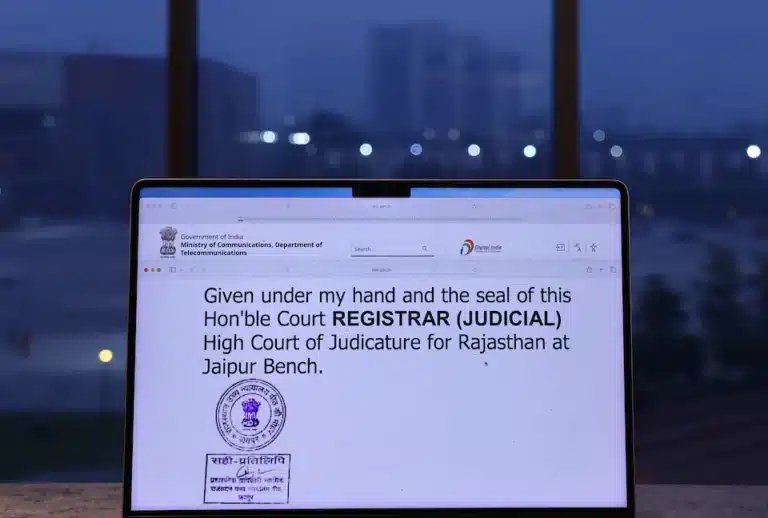
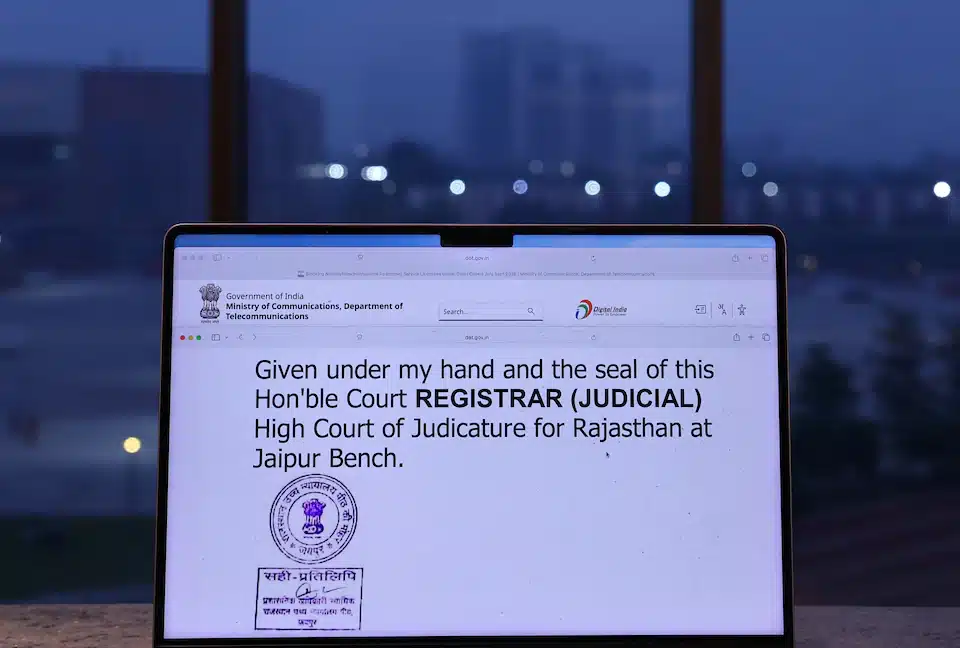
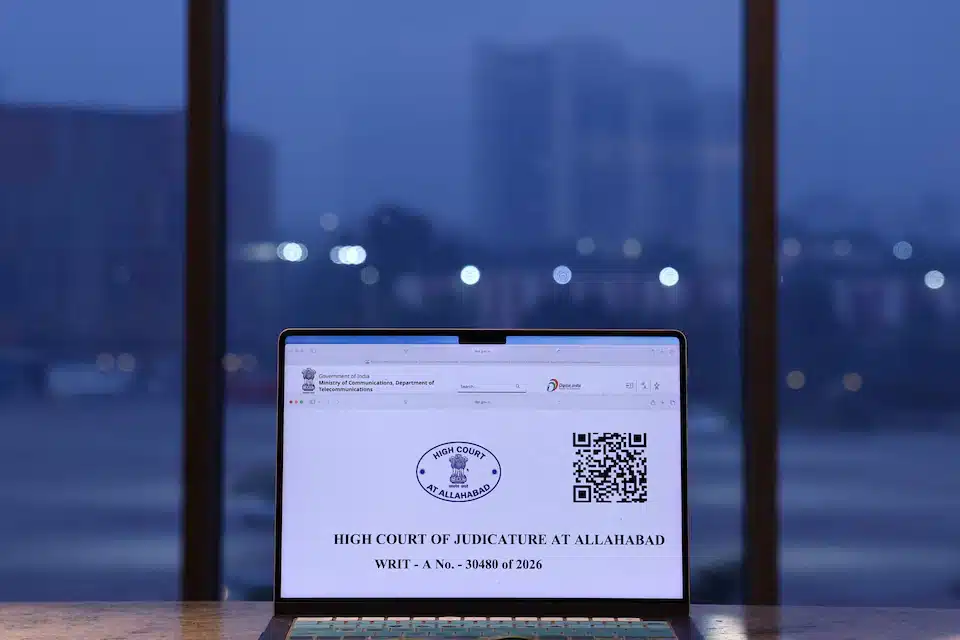
The two court orders identified by Reuters contained several apparent signs of fabrication, including counterfeit court logos, forged seals and a fraudulent QR code.
The documents were presented as legitimate judicial directives but were later identified as fake through comments from police and the relevant court registry.
They had remained publicly accessible on the Department of Telecommunications’ website for months, raising questions about how the department authenticated judicial instructions before acting on them.
The website also contained correspondence showing officials directing internet providers to remove the targeted betting platforms.
The discovery has exposed a potential weakness in India’s content-moderation and website-blocking procedures. If individuals can submit fabricated court orders and have them accepted without adequate verification, the same method could potentially be used against legitimate businesses, news organisations or other online services.
The fact that the targeted platforms were illegal betting websites does not remove the wider implications of the alleged misconduct.
A government system that blocks websites on the strength of court orders must be able to establish that those orders genuinely originated from the courts concerned.
Without reliable verification, fraudulent documents could undermine the legal safeguards intended to protect both internet users and website operators.
Telecom ministry and police intensify investigations
The developments follow Reuters’ report on Friday that the telecommunications ministry had begun an internal investigation into the alleged fraud.
State police have also requested records from the ministry as part of their criminal investigation into the suspected forgery and cheating.
Investigators are expected to examine the documents, official correspondence and records surrounding the instructions sent to internet providers.
The two state court orders highlighted by Reuters were especially significant because police and court registry officials had questioned their authenticity.
The investigation will need to establish who created the documents, who submitted them to government officials and whether anyone within the department knowingly or negligently facilitated the blocking process.
The government has not publicly provided a complete explanation of how the fraudulent orders were accepted or why they remained on its website for such an extended period.
On Saturday, one of the fake orders was still accessible on the Department of Telecommunications’ website, while the other had been removed.
The continued presence of one document, despite the growing controversy, raised further questions about the department’s response to the revelations.
Supreme Court warnings over fabricated legal authorities
The controversy has emerged amid growing international concern about fabricated legal materials, including false judicial decisions and citations generated or presented through artificial intelligence.
In July, India’s Supreme Court set aside orders issued by a tribunal after discovering that they relied on non-existent judgments.
A judge in the United States has also recently disqualified lawyers over the use of fabricated legal citations.
These incidents have highlighted the risks associated with submitting legal materials that appear authentic but cannot be traced to genuine court decisions.
India’s Supreme Court had previously warned about the serious consequences of forged judicial documents.
Last year, its justices described fabricated orders bearing forged judicial signatures as an attack on public confidence in the justice system.
They said such conduct “bearing forged signatures of Judges strikes at the very foundation of public trust” and stressed that “such grave criminal acts cannot be treated as ordinary or routine offences”.
The court’s warning underscores why the latest allegations have attracted attention beyond the telecommunications sector.
Court orders carry legal authority because they are issued through established judicial procedures. If fabricated documents can be used to trigger government action, public confidence in the courts and the institutions responsible for enforcing their decisions could be damaged.
Wider implications for internet freedom and government accountability
The case has raised concerns about the safeguards governing website restrictions in India, particularly the procedures used by government departments when receiving judicial instructions.
Authorities have the power to restrict access to unlawful online services, but such powers depend on accurate documentation, proper verification and accountability.
The alleged use of fake court orders suggests that those safeguards may not have worked effectively in this instance.
The possibility that fraudulent documents could be used to block legitimate websites has also raised questions about the protection available to businesses and online publishers affected by government takedown decisions.
For the telecommunications ministry, the immediate challenge is to establish how the documents entered its system and why their authenticity was not properly checked before action was taken.
The police investigation will also seek to identify those responsible for creating and circulating the orders.
Modi’s decision to summon Agrawal adds political pressure to the investigations, placing the department’s handling of the matter under direct scrutiny from the prime minister’s office.
The outcome could influence how government agencies verify court directives and process requests to restrict online content in the future.
For now, the central questions remain unanswered: who forged the court orders, how they were accepted as genuine and whether the failure involved individuals, inadequate procedures or both.
About The Author