The Metropolitan Police remains institutionally racist, misogynistic and homophobic three years after a landmark investigation exposed deep-rooted cultural problems within Britain’s largest police force, according to a damning new report by the Fairfield Review.
The 389-page assessment, published on Wednesday by Dr Gillian Fairfield, found that fundamental problems identified in the force had not been adequately addressed, warning that institutional discrimination and failures in police culture continued to undermine public confidence.
The review also criticised senior police leadership for failing to acknowledge institutional racism more decisively, warning: “If it cannot name it, it cannot face it. And if it cannot face it, it cannot change it.”
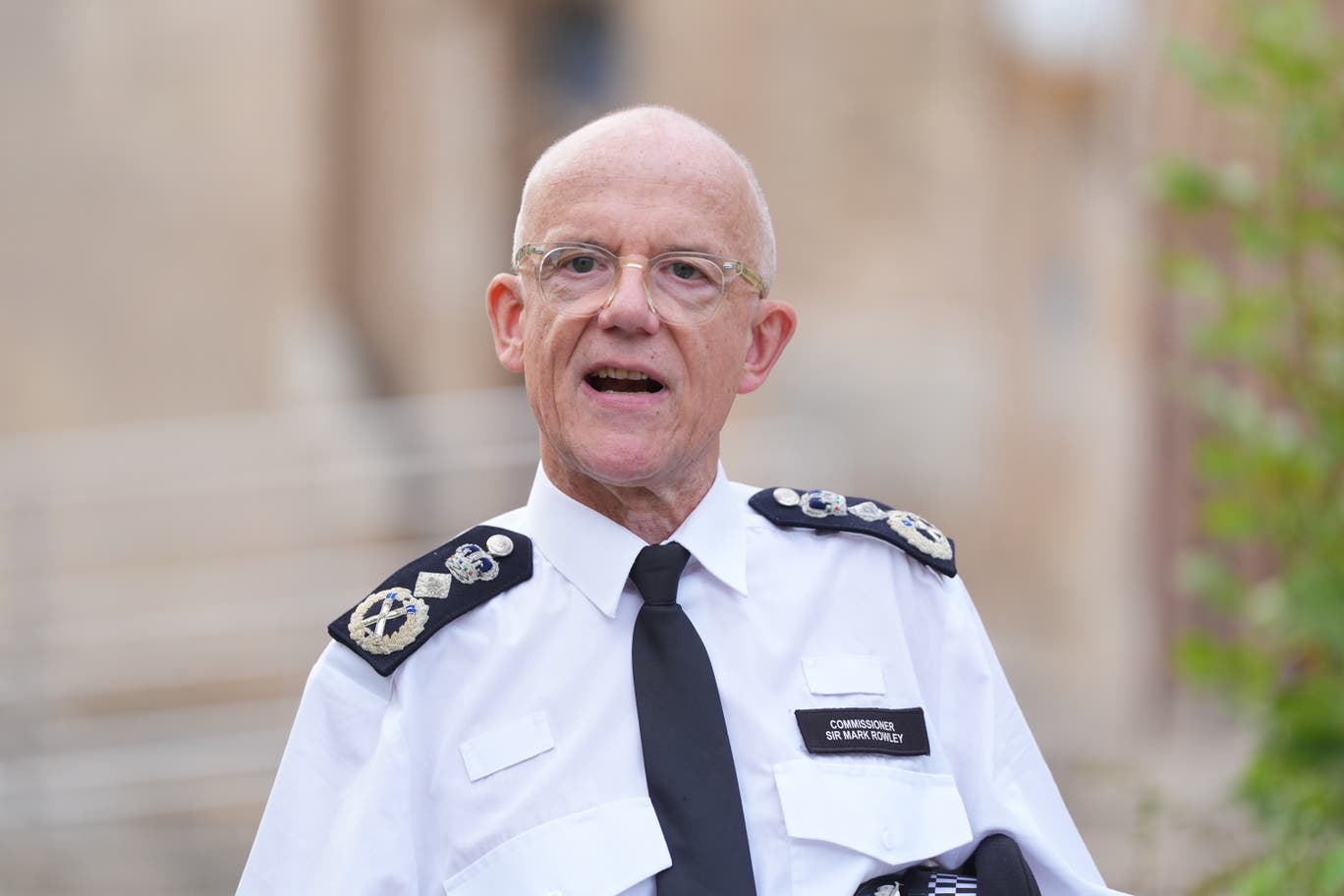
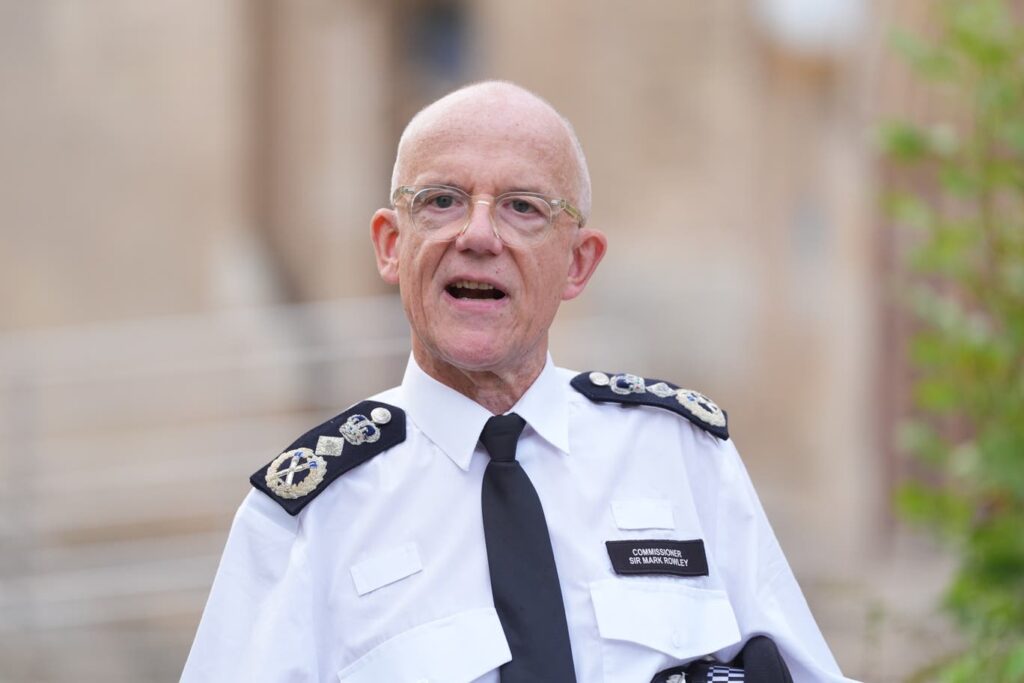
Its findings have renewed pressure on Metropolitan Police Commissioner Sir Mark Rowley, who has repeatedly resisted accepting the institutional racism label used in Baroness Louise Casey’s 2023 review, despite acknowledging that the force has serious systemic and cultural problems.
Fairfield Review exposes persistent discrimination in Met Police
Dr Fairfield’s investigation, which followed 11 months of fieldwork, concluded that the Metropolitan Police had not made good progress on any of the recommendations issued by Baroness Casey in her landmark 2023 assessment.
Of the 14 recommendations made by Casey, the force had achieved some progress on nine, while the remaining five had seen only limited progress.
The latest review found evidence of both exemplary and deeply troubling policing, but warned that several failures were disturbingly similar to those identified three years earlier.
Although improvements had been recorded, including tougher recruitment and vetting standards and a crackdown on misconduct, Dr Fairfield said the force had not addressed the foundations of its cultural problems.
“The Metropolitan Police Service is different, but it’s not yet different enough,” the report stated.
It added that three years had not been sufficient to complete every cultural and behavioural change required by the Casey Review, but stressed that time was not the only obstacle.
The review warned that further scandals were highly likely unless the force confronted the underlying causes of misconduct and discrimination.
Sadiq Khan challenges Mark Rowley over institutional racism
London Mayor Sadiq Khan responded to the findings by urging the Metropolitan Police leadership to acknowledge the seriousness of the report rather than selectively accepting its conclusions.
He warned against attempts to minimise the findings and called on Rowley and his senior team to approach the assessment with humility.
“There should be no spin or cherry-picking of this review,” Khan said.
“The Commissioner and his senior team need to reflect on her findings with humility and reflection, not hubris.”
The mayor also directly challenged the force’s reluctance to acknowledge institutional discrimination, arguing that meaningful cultural reform would remain impossible without recognising the existence of the problems.
“It is simply not possible to change the culture of the Met if the existence of institutional racism, institutional misogyny and institutional homophobia continues to be denied, underplayed or tiptoed around,” he said.
His intervention increases pressure on Rowley, whose position on the institutional racism debate has remained a major point of contention since the Casey Review.
Mark Rowley rejects politicised debate over labels
Although Rowley accepted all ten recommendations contained in the Fairfield Review, he resisted being drawn into what he described as a politicised debate over certain labels.
The commissioner insisted that the Metropolitan Police was prepared to confront racism and other forms of discrimination, but stopped short of fully embracing the terminology that has generated controversy around his leadership.
“I’m not afraid of using the term racism,” he said.
He added: “We have no problem with using it and confronting it. Racism, misogyny, homophobia, other forms of discrimination are something that we have to confront and have been confronting.”
Rowley also defended the progress made since his appointment, arguing that the force had undergone significant changes following the crisis that engulfed it before the publication of the Casey Review.
He said approximately 1,800 officers and staff considered unfit to serve had been removed since the 2023 assessment, although he acknowledged that predators remained within the organisation and that further misconduct cases would continue to emerge.
Review warns against relying solely on dismissing rogue officers
The Fairfield Review criticised the Metropolitan Police’s tendency to concentrate on removing individual officers accused of misconduct without adequately addressing the wider institutional culture that allows abuses to occur.
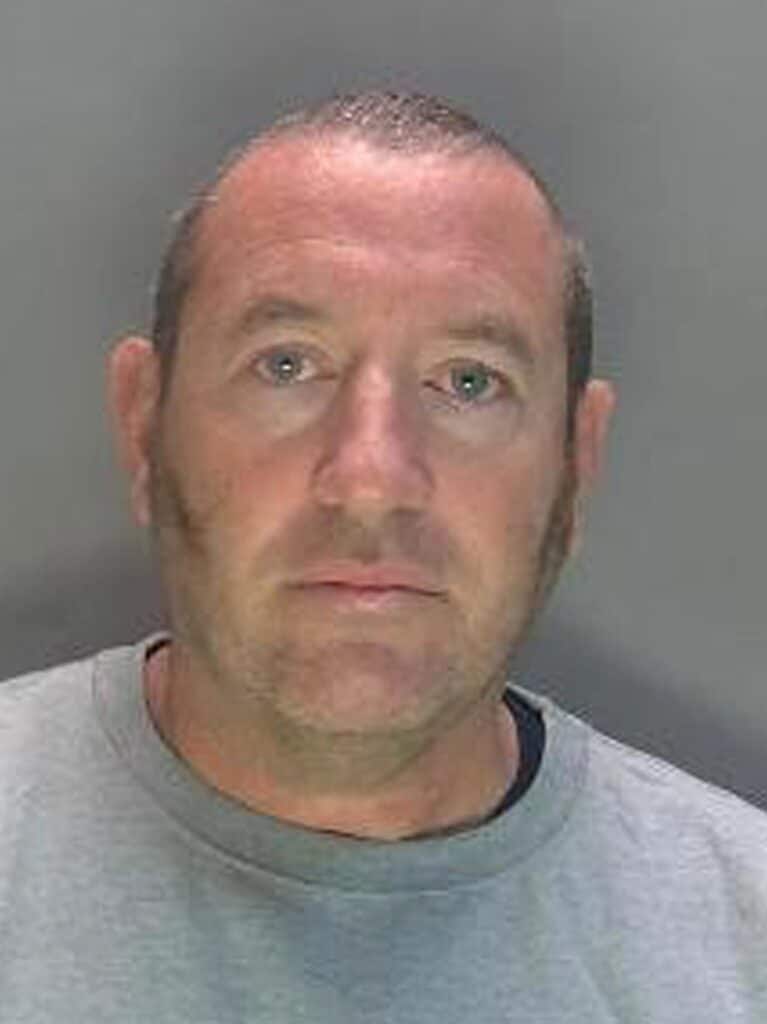
The force has faced repeated scandals involving serving officers, including the cases of Wayne Couzens and David Carrick.
Couzens, a serving Metropolitan Police officer, raped and murdered Sarah Everard in March 2021, triggering widespread outrage and demands for fundamental reforms.
Carrick was subsequently exposed as one of Britain’s most prolific sexual predators, raising further questions about police vetting, supervision and the handling of misconduct allegations.
While the review acknowledged the importance of removing dangerous officers, it argued that dismissals alone could not transform the organisation.
“This is absolutely necessary but manifestly insufficient,” the report stated.
It added: “You cannot sack your way to a good culture.”
The assessment also highlighted predatory behaviour towards younger women and newly recruited officers, citing evidence provided by an officer who warned that vulnerable recruits were being targeted.
One officer told the review team: “They need to understand they are prey.”
The report also criticised the Metropolitan Police for failing to fully implement structural reforms involving its Parliamentary and Diplomatic Protection Command, where both Couzens and Carrick had served.
Changes introduced by the force were described as not yet fully embedded or delivering their intended impact.
Bereaved families accuse police of investigative failures
The review also exposed serious concerns about how the Metropolitan Police handles investigations involving bereaved families, with relatives describing experiences of insensitivity, poor communication and failures to pursue important evidence.
Some families said officers demonstrated insufficient professional curiosity and empathy, while others alleged that investigators failed to provide satisfactory answers about the deaths of their loved ones.
One bereaved relative accused the force of repeatedly undermining their confidence during an investigation.
“The Met repeatedly gaslit me, made me feel stupid for challenging how they conducted the [homicide] investigation,” the person told the review.
Another family complained that CCTV and doorbell footage had not been collected promptly, witnesses had not been interviewed and investigators had failed to issue a public appeal.
They said: “Legitimate questions were deflected, [we] experienced insensitive treatment and senior officers appeared unable to answer basic questions about an investigation that had repeatedly been described to us as thorough.”
Several families also told the review that they believed officers had deliberately misled them about important aspects of investigations into the deaths of their relatives.
London Victims’ Commissioner Andrea Simon said such experiences frequently compounded the trauma already suffered by bereaved families.
“These experiences can mean victims are losing faith in the system at the investigation stage and before they have had a chance at justice,” she said.
She stressed the importance of redesigning the force’s approach to victim care from the beginning of an investigation through to its conclusion.
Misconduct reporting and LGBT community trust remain concerns
The Fairfield Review further identified persistent problems with internal accountability, revealing that officers were significantly less confident reporting misconduct involving senior colleagues than complaints against ordinary colleagues.
Its workforce survey found that 83 per cent of respondents felt confident reporting a colleague, but the figure dropped to 64 per cent when the complaint involved a supervisor.
Confidence fell below 50 per cent when the concerns involved a senior officer.
Almost half of those who experienced bullying or harassment at work had not reported it. Among those who did, nearly seven in 10 said no action had been taken.
One officer expressed a lack of faith in the internal reporting system, saying: “I have zero confidence that anything is going to happen when reporting misconduct.”
The report also found that relations between the Metropolitan Police and the LGBT+ community had failed to improve following previous scandals, particularly the investigation into serial killer Stephen Port, who murdered four young men.
It warned that officers were still making false assumptions about LGBT+ victims and, in some instances, blaming them.
Read also: Colombia president takes control of supermarket hostage siege as at least 20 remain captive
https://swiftreportnow.com/colombia-president-of-supermarket-hostage-siege/
Dr Fairfield said she had been shocked by the number of LGBT+ people who expressed unwillingness to report crimes to the police.
Met commissioner promises to sustain reforms
Responding to the findings, Rowley maintained that the Metropolitan Police had made significant progress since he became commissioner four years ago, although he acknowledged that sustaining the changes remained a major challenge.
“Three years ago, the question was whether the Metropolitan Police could change,” he said.
“This report demonstrates that is happening. But the challenge is now to make that stick, make it happen everywhere, and sustain it for the long term.”
He added that every London resident, regardless of background or location, needed to experience the benefits of the reforms.
However, the Fairfield Review makes clear that improvements in recruitment, vetting and disciplinary procedures have not yet translated into the deeper cultural transformation required.
The report’s findings therefore leave the Metropolitan Police facing renewed scrutiny over its ability to confront institutional discrimination, restore public confidence and ensure that the misconduct scandals of recent years are not repeated.
About The Author