Malaysia Myanmar deportations will see thousands of migrants and refugees returned to their home country despite Prime Minister Anwar Ibrahim acknowledging that many fled atrocities committed by Myanmar’s military junta.
The planned repatriation comes days after the International Court of Justice (ICJ) ruled that Myanmar committed genocide against the Rohingya minority, raising renewed concerns about the safety of people being sent back.
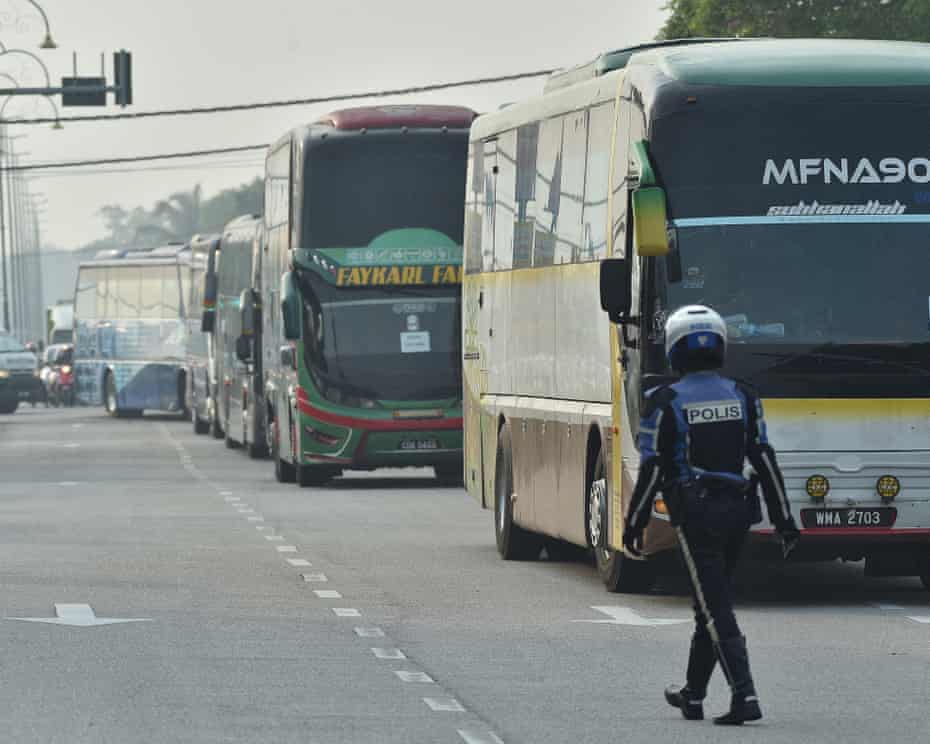
Anwar announced on Tuesday that Malaysia would return thousands of Myanmar nationals through naval and air transportation, insisting the process was consistent with international guidance on safe and dignified returns.
However, the decision has drawn concerns over the dangers facing returnees, particularly Rohingya refugees who escaped military persecution and remain vulnerable to violence and detention in Myanmar.
Malaysia plans return of more than 6,800 migrants
Anwar told Malaysia’s parliament that three naval ships would transport 1,500 people back to Myanmar in December, while another 5,303 migrants would be returned by aircraft funded by the Myanmar government.
The planned operation would involve more than 6,800 people, marking another major phase in Malaysia’s controversial repatriation programme involving Myanmar nationals.
The government says the deportation exercise is necessary because Malaysia can no longer sustain the financial and social pressures associated with hosting large numbers of refugees and asylum seekers.
Anwar maintained that Malaysia had not abandoned its commitment to protecting human rights, despite proceeding with the planned returns.
He said the International Court of Justice had advised that refugees should be guaranteed a safe and dignified return, arguing that Malaysia’s position was consistent with that principle.
Anwar acknowledges atrocities committed by Myanmar junta
The Malaysian prime minister acknowledged that many asylum seekers had escaped atrocities committed by Myanmar’s military regime.
However, he said Malaysia could no longer continue accommodating refugees indefinitely, particularly as efforts to resettle them in third countries had failed to produce sufficient results.
The government has also faced growing domestic frustration over the presence of refugees, with some Malaysians describing their continued accommodation as a financial burden and security concern.
Anti-migrant sentiment has reportedly increased, adding political and social pressure on authorities to address the longstanding refugee situation.
Anwar’s position reflects the government’s attempt to balance its recognition of abuses in Myanmar against domestic demands to reduce the number of migrants and asylum seekers living in Malaysia.
Rohingya refugees face renewed uncertainty
The planned deportations have raised particular concerns about the Rohingya, a predominantly Muslim minority that has suffered years of persecution in Myanmar.
It remains unclear how many Rohingya are among those scheduled for repatriation, but the group accounts for approximately two-thirds of the 190,000 Myanmar refugees and asylum seekers in Malaysia, according to the United Nations.
Many fled Myanmar following the military crackdown in 2017, which forced more than 700,000 Rohingya across the border into Bangladesh.
The campaign was accompanied by reports of mass killings, sexual violence, the burning of villages and other atrocities that devastated Rohingya communities.
For many refugees, returning to Myanmar could mean renewed exposure to persecution, insecurity and possible detention.
ICJ genocide ruling intensifies concerns
Malaysia’s deportation announcement came days after the International Court of Justice delivered a landmark judgment finding Myanmar responsible for genocide against the Rohingya.
The ruling concluded a seven-year legal battle and marked a significant development in international efforts to hold states accountable for the gravest crimes.
The court said Myanmar authorities must “allow and facilitate the safe, voluntary and dignified return” of refugees displaced inside or outside the country.
The judgment has intensified scrutiny of countries considering the return of Myanmar nationals, particularly those who fled persecution and remain at risk.
The timing of Malaysia’s announcement has therefore raised questions about whether the planned repatriation can adequately guarantee the safety and voluntary participation of those being returned.
United Nations warns against deportations to Myanmar
The United Nations has previously warned Malaysia against returning migrants to Myanmar, arguing that the deteriorating conditions in the country could expose deportees to serious danger.
The UN position has been that nobody should be deported to Myanmar given the severity of the situation, particularly following the military takeover and continued abuses.
Malaysia began another round of repatriations in September, returning approximately 1,500 Myanmar nationals despite warnings from human rights organisations and international bodies.
The programme has faced criticism from groups concerned that refugees and asylum seekers could be returned to a country where their safety cannot be guaranteed.
Malaysia cites financial and security pressures
In September, Malaysia’s government described the repatriation programme as necessary to address what it called a longstanding problem involving foreign asylum seekers.
Officials said approximately 95 per cent of asylum seekers in Malaysia were from Myanmar, arguing that the situation had placed significant pressure on national resources.
The government said the prolonged presence of refugees had contributed to financial burdens, social problems and security concerns for Malaysian citizens.
It described the repatriation programme as an effort to resolve what it called a legacy issue of foreign asylum seekers.
However, critics have argued that financial and domestic pressures should not override international protections for people fleeing persecution.
Concerns over returned migrants in military detention
Malaysia’s deportation policy has also faced questions over the fate of people already returned to Myanmar.
Read also: Ukraine sinks Russian warship in Libya as attacks on Moscow’s vessels spread
https://swiftreportnow.com/ukraine-sinks-russian-warship-in-libya-as-att/
In late October, Malaysian authorities said they would seek clarification from Myanmar after reports emerged that hundreds of recently repatriated migrants had been placed in military detention.
The reports heightened fears among refugee advocates that deportees could face arrest or other forms of mistreatment after returning.
The uncertainty surrounding those previously returned has added to concerns about the planned December operation involving thousands more migrants.
With the ICJ’s genocide ruling reinforcing the severity of abuses against the Rohingya, the proposed Malaysia Myanmar deportations have placed Malaysia under renewed scrutiny over its treatment of refugees.
The Guardian, citing reports and information from international agencies, highlighted the planned naval and air repatriations, Malaysia’s domestic pressures and warnings over the dangers facing people returned to Myanmar.
About The Author