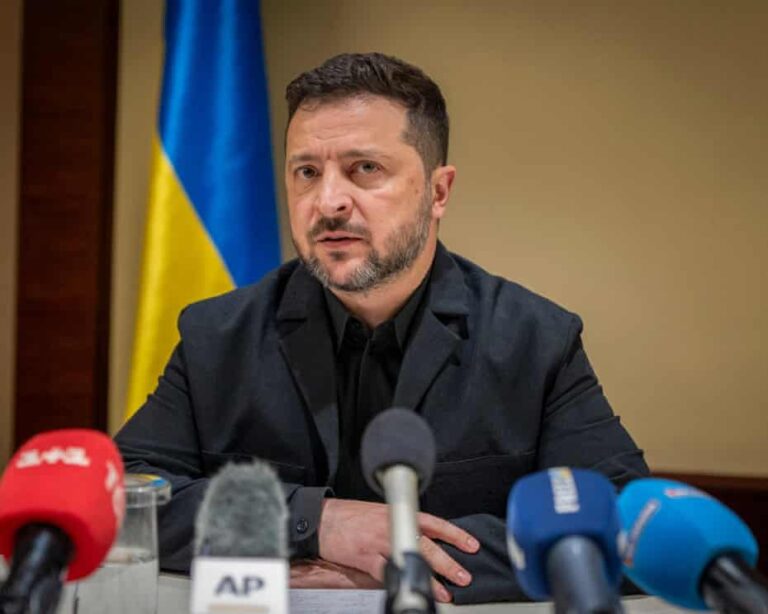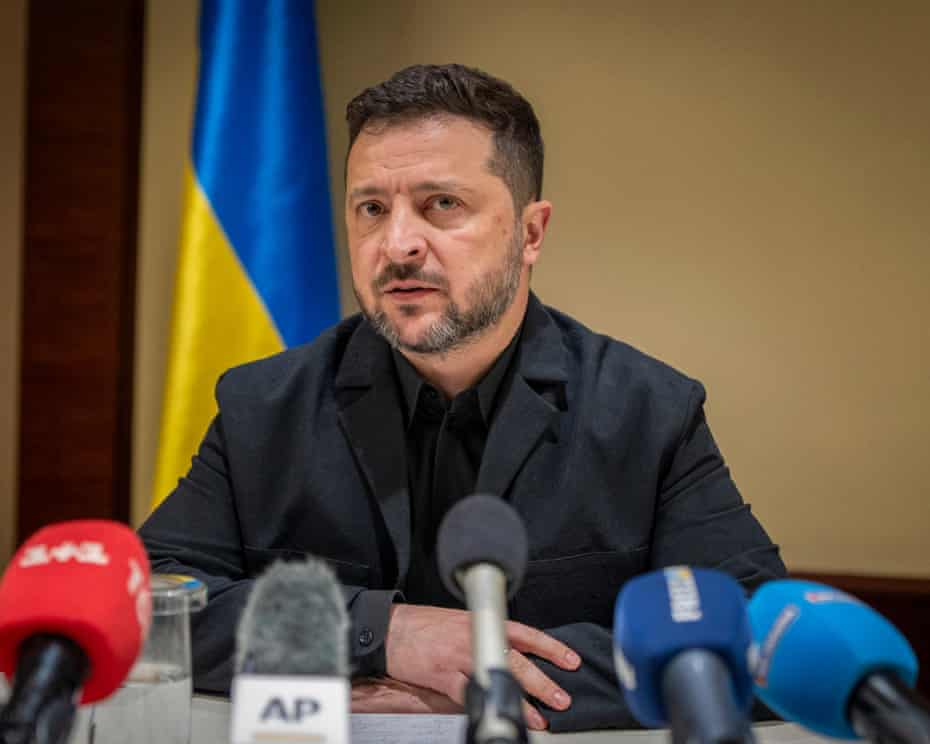
Russia-Ukraine peace talks have opened in Abu Dhabi, with American officials seeking a permanent settlement to the war and proposing a new security arrangement that could fundamentally change relations between Russia, Europe and NATO.
The trilateral discussions, beginning on Tuesday, November 10, bring together representatives of Washington, Moscow and Kyiv for the first substantive negotiations between Russia and Ukraine since February.
The Trump administration wants the negotiations to deliver what one American official described as a “final end” to the conflict, rather than another temporary ceasefire that could collapse into renewed fighting.
However, the proposed settlement extends beyond Ukraine’s immediate future. Washington is seeking a broader understanding with Moscow over European security, an initiative that has generated anxiety among America’s European allies.
Their concern is that Russia could use the negotiations to revive demands for NATO to reduce its military presence in eastern Europe, potentially weakening the security of countries bordering Russian territory.
The diplomatic initiative also comes amid significant political developments in Washington, following bruising US midterm elections for Trump and American military involvement in joint strikes with Israel against Iran.
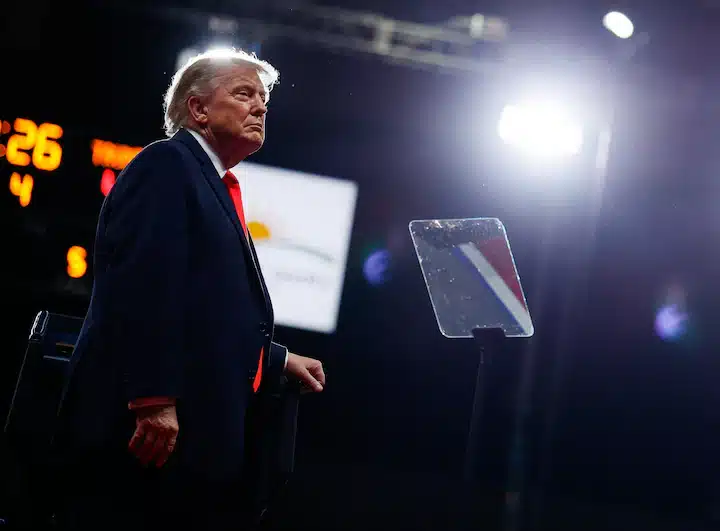
Trump administration wants a different European security order
The central feature of Washington’s proposal is the creation of a “long-term security architecture” between Russia and Europe.
American officials believe a new arrangement could address the security disagreements that have contributed to tensions between Moscow and Western governments.
The proposal could involve reopening diplomatic channels, increasing military transparency and establishing mechanisms to prevent misunderstandings from escalating into confrontation.
One American official stressed that European participation would be necessary for the initiative to succeed.
“We need Europe at the table,” the official said.
Among the possibilities being considered is the revival of the NATO-Russia Council, which was suspended following Russia’s full-scale invasion of Ukraine in 2022.
The council previously provided a platform for NATO and Russia to discuss security matters, although relations between both sides deteriorated sharply before the invasion.
The proposed framework could also include lifting some sanctions imposed on Russia, although the extent of any possible relief remains uncertain.
For European governments, the prospect of sanctions being relaxed without sufficient guarantees from Moscow is particularly contentious.
They fear that a deal designed to end the war could also provide Russia with diplomatic and strategic advantages without resolving the fundamental disagreements responsible for the conflict.
US considers NATO-style protection for Ukraine
Security guarantees for Ukraine are another important component of the American initiative.
US officials have discussed arrangements that could provide Kyiv with protection comparable to NATO’s Article 5, despite Ukraine not being a member of the military alliance.
Article 5 establishes that an armed attack against one NATO member is considered an attack against all, although individual countries determine the action they consider necessary.
An American official described the proposed protection for Ukraine as an arrangement that would be “very similar to Nato”.
“What they would be getting would be effectively very similar to Nato,” the official said.
The official also emphasised the significance of a potential American commitment to Ukraine.
“Getting a US security guarantee is a really, really big deal,” the official said.
“And if he wants to do that, that’s that’s a very, very big deal in terms of resources and funding and military support.”
Such guarantees could give Ukraine a significant security commitment outside formal NATO membership.
However, the proposal raises difficult questions about what circumstances would require Washington to intervene and what form its response would take.
Critics argue that the uncertainty surrounding possible triggers could weaken the credibility of the arrangement, particularly as cyberattacks and hybrid warfare make it increasingly difficult to determine when an act of aggression has occurred.
Russia has consistently opposed Ukraine joining NATO and has rejected the possibility of Western military forces being stationed on Ukrainian territory.
Consequently, any agreement involving security guarantees will require difficult negotiations over the nature, scope and enforcement of the proposed commitments.
European allies question Washington’s intentions
European governments are concerned that the American proposal could give Moscow an opportunity to secure concessions on issues that directly affect the continent’s security.
Representatives from Germany, France, the United Kingdom, Italy and the European Union are expected to meet US negotiators to discuss the proposed security architecture.
Their involvement reflects the recognition that an agreement between Washington and Moscow could have consequences far beyond the battlefield in Ukraine.
A European security official questioned the clarity of the American proposal and expressed concern that Washington might be seeking major concessions for Russia.
The European Union’s foreign policy chief, Kaja Kallas, challenged the suggestion that Europe needs an entirely new security arrangement.
“We already have a European security architecture in place,” Kallas said.
“This includes international agreements under which Russia has undertaken obligations, including with regard to sovereignty and territorial integrity. The problem is that Russia is not respecting these agreements.”
Her position reflects the argument that Europe’s existing security arrangements are not necessarily the problem; rather, the difficulty lies in Russia’s refusal to respect international commitments.
European governments are therefore likely to demand assurances that any new arrangement will not undermine existing agreements or compromise the sovereignty of countries in the region.
Russia’s previous NATO demands remain a major concern
Vladimir Putin has spent years opposing NATO’s expansion towards Russia’s borders, making the alliance’s military presence in eastern Europe one of the most persistent sources of tension between Moscow and Western governments.
In 2021, Russia presented NATO with demands that included a commitment against further expansion, particularly involving Ukraine.
Moscow also wanted NATO to withdraw military forces towards positions associated with the alliance’s pre-1997 boundaries and accept restrictions on missile deployments.
NATO rejected the demands. Less than a month later, Russia launched its full-scale invasion of Ukraine.
European officials now fear that the Trump administration’s proposed security framework could bring some of those rejected Russian demands back into negotiations.
The concern is especially significant because, until now, no sitting US administration had embraced Moscow’s longstanding objections to NATO’s military presence in eastern Europe as part of an effort to negotiate a settlement.
One American official acknowledged that European governments had “a lot of baggage” concerning the proposal, particularly because of Russia’s earlier demands.
However, the official argued that the existing arrangements had failed to prevent the war.
“We have to build something new that works today… Because if all the old architecture was working well, then we wouldn’t be in this long war. And so obviously something’s not working, and we need to come up with a way that when we end this war, it really is a final end to the war,” the official said.
The argument illustrates the difference between Washington’s approach and the concerns of European governments, which fear that changing the security framework could weaken the protections already in place.
Trump raises possibility of territorial concessions by Ukraine
The future of occupied Ukrainian territory remains one of the most difficult questions facing the negotiators.
Trump has suggested that Ukraine might have to surrender territory to secure an agreement, indicating that the country could emerge from the negotiations with a “little bit different shape”.
The comments have fuelled concerns that Washington could pressure Kyiv into accepting territorial losses as the price of ending the conflict.
For Ukraine, however, giving up territory would raise serious questions about national sovereignty, the rights of affected communities and the possibility of another Russian offensive in the future.
Trump has also suggested that the proposed agreement could extend beyond the immediate parties to the war.
After meeting Kremlin adviser Kirill Dmitriev, he called for a “big, beautiful agreement” that “might involve all of Europe”.
Critics fear that Trump and Putin could reach an understanding over the heads of European leaders, potentially leaving countries most exposed to Russian military pressure with little influence over decisions affecting their security.
The concern has reinforced European demands for meaningful participation in the negotiations rather than being presented with an agreement already negotiated by Washington and Moscow.
Kushner and Rubio outline the proposed framework
Jared Kushner, one of the American figures involved in the diplomatic initiative, has described the proposed security arrangement as a system built around consultation, communication and transparency.
His explanation points to an effort to establish clearer procedures for managing military tensions and reducing the risk of escalation.
Kushner described the framework as involving “stronger consultation, reliable crisis communications, greater military transparency, and reciprocal measures to reduce escalation risks, while fully respecting the sovereignty and independent decision-making of every nation”.
The emphasis on national sovereignty is particularly important given European concerns that an agreement could restrict the freedom of countries to determine their own security arrangements.
Secretary of State Marco Rubio also indicated that discussions had produced some progress on the proposed structure.
“There’s been some advances made in what that architecture should look,” Rubio said.
He nevertheless stressed that the wider arrangement could not be fully developed while the war continued.
“We obviously have to get past the conflict to get to that point,” he added.
His remarks suggest that Washington sees the end of the fighting as a necessary step towards establishing a broader understanding between Russia and Europe.
Abu Dhabi talks face a difficult diplomatic test
The Russia-Ukraine peace talks have opened with ambitious objectives, but the differences between the parties remain substantial.
Washington wants a permanent settlement and a new security framework, while Moscow has longstanding objections to NATO’s expansion and Western military involvement in Ukraine.
Kyiv must consider whether any proposed guarantees would provide sufficient protection against another invasion, particularly if the agreement requires territorial concessions.
European governments, meanwhile, want to ensure that their security is not sacrificed in a bilateral understanding between Trump and Putin.
The possible revival of the NATO-Russia Council, sanctions relief and new military transparency arrangements could all become important parts of the negotiations.
Yet none of these proposals resolves the fundamental disagreement over Ukraine’s territorial integrity and the right of European countries to determine their own security relationships.
The discussions in Abu Dhabi therefore represent more than another attempt to stop the fighting. They could shape the future relationship between Russia, the United States and Europe for years.
Whether the negotiations produce a lasting settlement will depend on whether the parties can agree on terms that end the war without creating conditions for another conflict.
About The Author