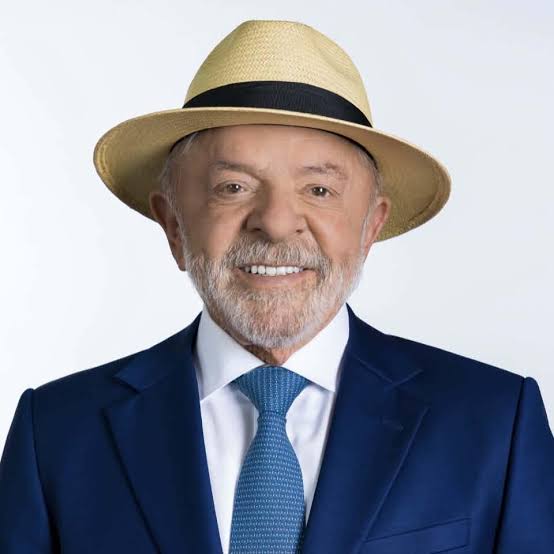
World leaders congratulate Lula after Brazilian President Luiz Inácio Lula da Silva defeated far-right challenger Flávio Bolsonaro in a fiercely contested presidential election, securing a historic fourth term and attracting international support for his political comeback.
Lula, 80, received 51.79 per cent of the votes, compared with Bolsonaro’s 48.21 per cent, according to Brazil’s Superior Electoral Court. His victory represents a significant moment for Brazil and has attracted attention from governments worldwide.
The Brazilian president’s re-election has generated international interest because of his influence on global diplomacy, climate policy, economic cooperation and relations between Latin America and major world powers.
However, while numerous international leaders have congratulated Lula on his victory, United States President Donald Trump has remained silent, highlighting the potential diplomatic implications of the election result.
World Leaders Congratulate Lula on Historic Victory
Lula’s victory has attracted congratulations from leaders around the world, reflecting Brazil’s importance as Latin America’s largest economy and a significant participant in international affairs.
The election outcome also carries political implications beyond Brazil, particularly as governments assess the direction of the country’s foreign policy under another Lula administration.
The Brazilian president has established himself as an influential voice in international discussions involving economic inequality, climate change, multilateral cooperation and the interests of developing countries.
His return for a fourth presidential term is therefore expected to attract continued attention from governments seeking cooperation with Brasília on regional and global issues.
International Reactions Highlight Brazil’s Global Importance
The congratulations received by Lula demonstrate the importance international partners attach to Brazil’s political stability and continued participation in diplomatic initiatives.
Brazil plays a prominent role in discussions about global economic governance, environmental protection, international trade and cooperation among developing economies.
Lula’s victory could provide continuity in those areas, particularly for governments that have worked with his administration on climate commitments and international development.
However, the precise messages issued by individual leaders were not detailed in the supplied report, and their reactions should not be attributed to specific countries or personalities without confirmation.
The broad international response nevertheless underscores the significance of the election and the diplomatic attention surrounding Lula’s return to office.
Trump Remains Silent as Lula Secures Fourth Term
While numerous world leaders have congratulated Lula, United States President Donald Trump has not publicly reacted to the Brazilian president’s victory, according to the report.
Trump had reportedly hoped that Flávio Bolsonaro would win the election, potentially strengthening the position of a politically aligned leader in South America.
Bolsonaro, 45, is the eldest son of former Brazilian president Jair Bolsonaro and represents the country’s influential right-wing political movement.
His defeat therefore represents a setback for the prospect of closer political alignment between the Brazilian presidency and Trump’s administration.
Lula’s Victory Could Shape US-Brazil Relations
The absence of an immediate public response from Trump has attracted attention because of the political significance of the Brazilian election for Washington.
Brazil is a major economic and diplomatic power whose relationship with the United States affects trade, regional cooperation and wider international affairs.
Lula’s continued presidency means Washington will have to engage with a Brazilian leader whose political priorities and international outlook may differ from Trump’s.
Nevertheless, Trump’s silence should not automatically be interpreted as a formal rejection of Lula’s victory or proof that diplomatic relations will deteriorate.
The direction of US-Brazil relations will depend on subsequent statements, policy decisions and the willingness of both governments to cooperate on shared interests.
Flávio Bolsonaro Challenges Election Outcome
Despite losing the presidential election, Flávio Bolsonaro has refused to accept the result and called for the vote to be annulled.
The senator questioned a decision by a Lula-appointed Supreme Court justice to extend voting by two hours on Sunday following alleged irregularities involving voter transportation.
His response has raised concerns about the potential for further political tensions in Brazil following the closely contested election.
The demand for annulment does not automatically invalidate the outcome, which was announced by Brazil’s electoral authorities.
The dispute also recalls the reaction of his father, Jair Bolsonaro, after losing the 2022 presidential election to Lula.
Jair Bolsonaro never accepted his defeat and was subsequently sentenced by Brazil’s Supreme Court to 27 years in prison for plotting a coup to remain in power.
The latest controversy places Brazil’s electoral institutions under renewed scrutiny as the country prepares for another presidential transition.
Lula’s Fourth Term Marks Historic Political Comeback
Beyond the international reactions, Lula’s victory represents a remarkable milestone in Brazilian political history.
The 80-year-old president secured 51.79 per cent of the vote, defeating Bolsonaro, who received 48.21 per cent, a difference of approximately 4.4 million votes.
The result makes Lula the first president in Brazilian history to win four presidential terms.
It also marks the first time since Brazil returned to democracy in 1988 that a candidate who lost the first round of voting went on to overturn the result and win the presidency.
Lula campaigned on his record of addressing poverty and inequality, promising to continue prioritising social welfare and improving conditions for disadvantaged communities.
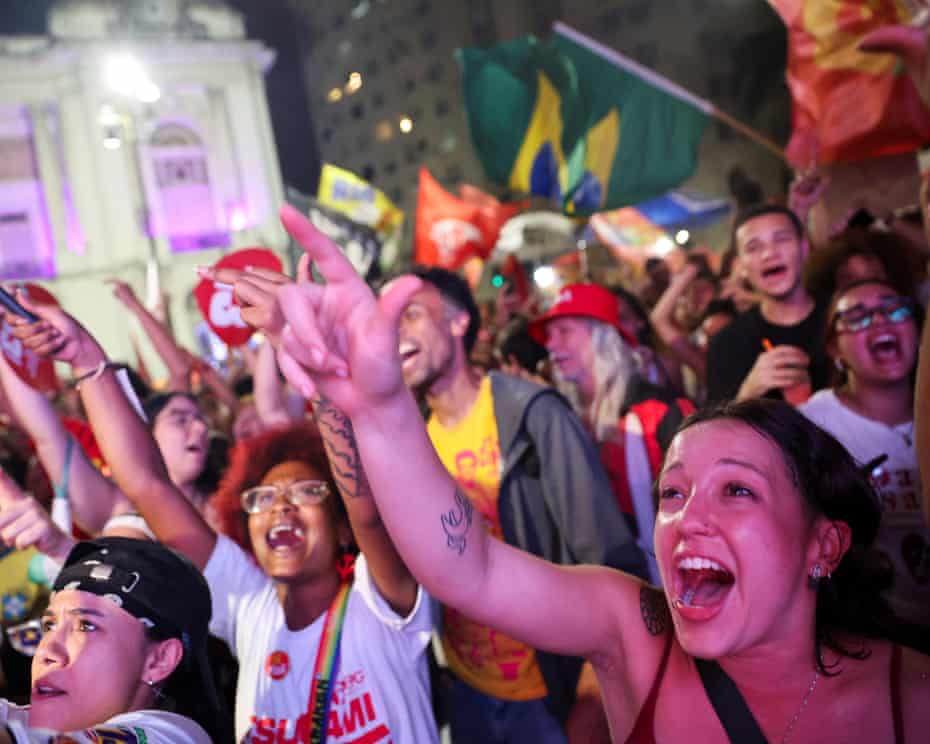
His new term is scheduled to begin on 5 January 2027, giving his administration another opportunity to pursue those commitments.
Global Attention Turns to Brazil’s Next Chapter
The international response to Lula’s victory reflects the importance of Brazil’s leadership to diplomatic relationships and cooperation on global challenges.
Congratulations from foreign leaders offer an opportunity to reinforce partnerships, while the absence of a response from Trump leaves uncertainty about the immediate tone of relations between Washington and Brasília.
For Lula, the challenge will be to convert his electoral victory into effective governance while maintaining constructive relationships with countries whose political priorities differ from his own.
His administration will also need to address domestic divisions, particularly following Flávio Bolsonaro’s refusal to accept the election outcome.
World leaders congratulate Lula as Brazil enters a new political chapter, but the reactions from Washington and other major capitals will remain important indicators of how the election could reshape international relationships.
Read more: swiftreportnow
About The Author