Russia violated Trump’s energy ceasefire after Ukrainian President Volodymyr Zelenskyy reported strikes on energy facilities in Kyiv and Kharkiv, raising doubts about US President Donald Trump’s announcement that Russia and Ukraine had agreed to stop attacks on energy infrastructure.
The reported attacks have intensified uncertainty surrounding Washington’s latest efforts to reduce hostilities, particularly because Ukraine says it was not informed of an agreement before Trump publicly announced the proposed truce.
Zelenskyy said Russian drones struck Ukrainian energy facilities on Sunday, causing power outages in the capital and targeting infrastructure in the northeastern city of Kharkiv.
Meanwhile, Russia has yet to publicly confirm its participation in the arrangement, leaving questions about whether both countries agreed to the same terms or whether the proposed ceasefire has formally taken effect.
Zelenskyy Reports Russian Strikes Despite Trump’s Ceasefire Announcement
In a post on X, Zelenskyy said a drone struck a power plant in Kyiv on Sunday, triggering electricity disruptions in the Ukrainian capital.
He subsequently reported another strike on a power plant in Kharkiv, describing the scale of the aerial threat facing Ukraine.
“Ukrainian skies have been infested with Russian ‘shaheds’ all day,” Zelenskyy said, referring to Iranian-designed drones widely used by Russian forces during the war.
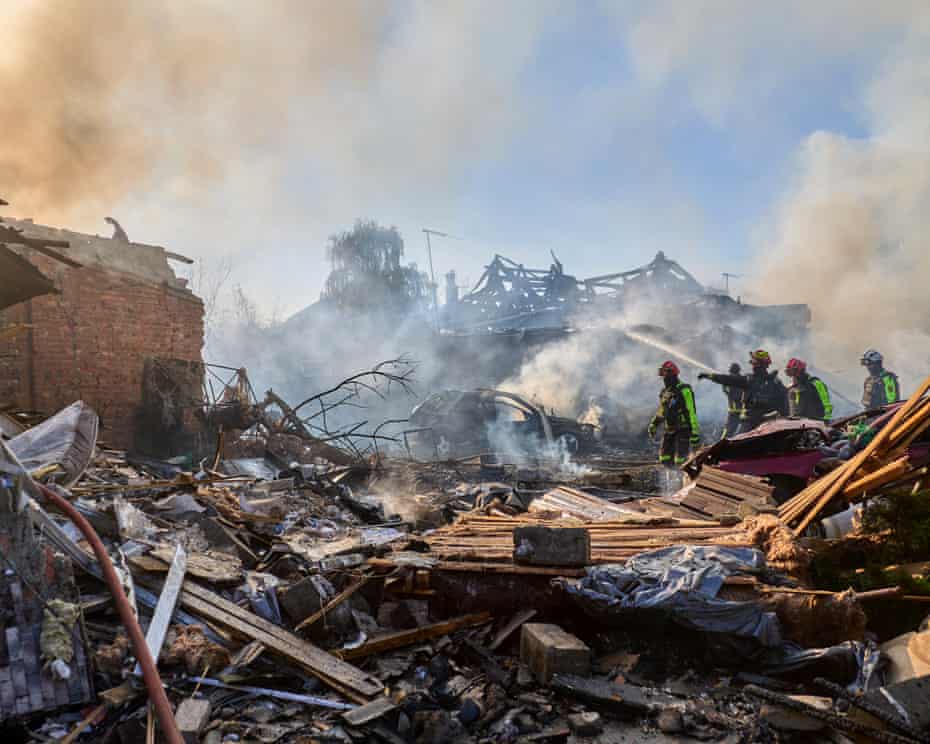
The reported attacks raised questions about the practical effect of Trump’s announcement, particularly because the Ukrainian government said it had not received confirmation of a mutually agreed arrangement.
Trump had announced the proposed truce on Sunday morning through his Truth Social platform, declaring that both countries had agreed to stop attacks on energy infrastructure.
“effective immediately, there is an ENERGY CEASEFIRE in the War between Russia and Ukraine,” the US president wrote.
He added: “Both parties have agreed. Do not break it!”
However, the announcement came without further details explaining how the arrangement had been negotiated, when its terms had been agreed or how compliance would be monitored.
Zelenskyy Says Agreement Was ‘News to Me’
Zelenskyy’s response exposed an apparent communication gap between Washington and Kyiv over the proposed ceasefire.
The Ukrainian president said the deal was “news to me”, indicating that Ukraine had not been formally briefed on the agreement Trump claimed both sides had accepted.
Nevertheless, Zelenskyy said Ukraine was prepared to stop attacking Russian energy infrastructure if Moscow demonstrated the same willingness.
In a message on Telegram, he said: “Ukraine is ready to refrain from striking Russian energy infrastructure – and we count on the same readiness from Russia.”
His statement suggested that Kyiv was open to a reciprocal arrangement but expected Russia to demonstrate its commitment through action rather than declarations.
The absence of confirmation from Moscow has left the proposed ceasefire’s status uncertain, with the reported attacks raising further doubts about whether a genuine agreement exists.
Russian Attacks Kill Six People in Ukraine
Beyond the reported damage to energy facilities, Russian attacks killed six people in two Ukrainian cities on Sunday, according to Ukrainian officials cited in the report.
In Kharkiv, a strike hit a grocery store, killing three people and injuring 20 others. Two children were reportedly among those injured, according to the regional governor.
A separate Russian strike in western Ukraine killed three people, officials said.
The casualties underscored the continuing human cost of the war as diplomatic efforts to limit attacks on critical infrastructure faced renewed uncertainty.
The reported deaths also raised questions about whether the proposed energy ceasefire, even if intended to reduce attacks on power facilities, would address the wider pattern of strikes affecting Ukrainian cities and civilians.
Energy infrastructure remains a critical target in the conflict because damage to power plants and related facilities can disrupt electricity supplies, heating and other essential services.
For Ukraine, maintaining electricity supplies is particularly important during wartime, when repeated attacks can place additional pressure on communities, businesses and emergency services.
European Union Questions Russia’s Commitment
European officials have expressed caution over Trump’s announcement, stressing that a ceasefire would need to be respected by both countries before it could be considered effective.
EU foreign policy chief Kaja Kallas said the bloc would welcome a truce but emphasised the importance of sustained compliance.
“We haven’t yet seen that also Russia will stick to it,” Kallas said at a meeting of EU foreign ministers.
Her comments reflected European concerns that an announcement without confirmation from Moscow or evidence of implementation might not produce a meaningful reduction in hostilities.
The European Union has repeatedly supported efforts to end the war while maintaining pressure on Russia over its invasion of Ukraine.
The reported attacks on Ukrainian energy facilities are likely to intensify scrutiny of any proposed arrangement, particularly if further strikes occur before the parties establish clear terms.
A lasting energy ceasefire would require clarity about which facilities are covered, how violations would be assessed and what steps either side would take if attacks continued.
Without such details, the announcement risks creating conflicting expectations between Washington, Kyiv and Moscow.
Trump’s Russian Diesel Deal Fuels Tensions With Ukraine
The ceasefire announcement came amid a separate dispute over Trump’s decision to ease US sanctions temporarily to facilitate Russian diesel exports.
Trump had argued that the move would help reduce global and domestic fuel prices before next month’s US midterm elections.
However, the decision triggered criticism from Zelenskyy and Ukraine’s European allies, who warned that additional revenue from energy exports could strengthen Russia’s ability to finance its war.
Zelenskyy described the sanctions decision as “weak” and argued that it would generate “billions” in extra revenue for Russian President Vladimir Putin, enabling Moscow to wage war “even more intensely”.
Trump responded angrily, telling Zelenskyy that he should “damn well stop” striking Russian refineries.
The US president subsequently said Ukraine needed a “new leader”, further escalating tensions between Washington and Kyiv.
Zelenskyy responded that Ukrainians had the right to choose their own leadership. He also told ABC News that he was willing to organise elections if Putin agreed to a “total” 60-day ceasefire.
The disagreement has exposed competing approaches to ending the war, with Washington pressing Kyiv to limit attacks on Russian energy infrastructure while Ukraine argues that Moscow must also face pressure to stop its own strikes.
US Reportedly Considers Economic Incentives for Moscow
The New York Times reported that US officials had offered the Kremlin potentially lucrative economic incentives in exchange for a ceasefire.
According to the report, the proposals reportedly included releasing billions of dollars in frozen Russian sovereign assets.
The Trump administration had also revisited a proposal to sell parts of Russia’s energy company, Lukoil, potentially involving multibillion-dollar transactions.
The newspaper reported that the proposed arrangements could benefit Middle Eastern investors, including some with business ties to US negotiators.
The reported discussions have raised questions about the economic terms Washington might be prepared to offer Moscow as part of its efforts to secure an end to the fighting.
However, the reported proposals do not establish that an agreement has been reached or that any frozen assets have been released.
NATO Prepares Warning to Russia as European Security Concerns Grow
Meanwhile, NATO Supreme Allied Commander Europe Alexus Grynkewich was scheduled to deliver a warning to Russia at a security conference in Warsaw.
His planned remarks were expected to address the alliance’s ability to counter any attack from Moscow, highlighting wider European concerns about the implications of the war for regional security.
Lithuanian Foreign Minister Kestutis Budrys also called for the European Union to designate Russia’s military intelligence agency, the GRU, as a terrorist organisation.
The proposals reflect continuing divisions between European governments and Moscow over responsibility for the conflict and the measures required to deter further aggression.
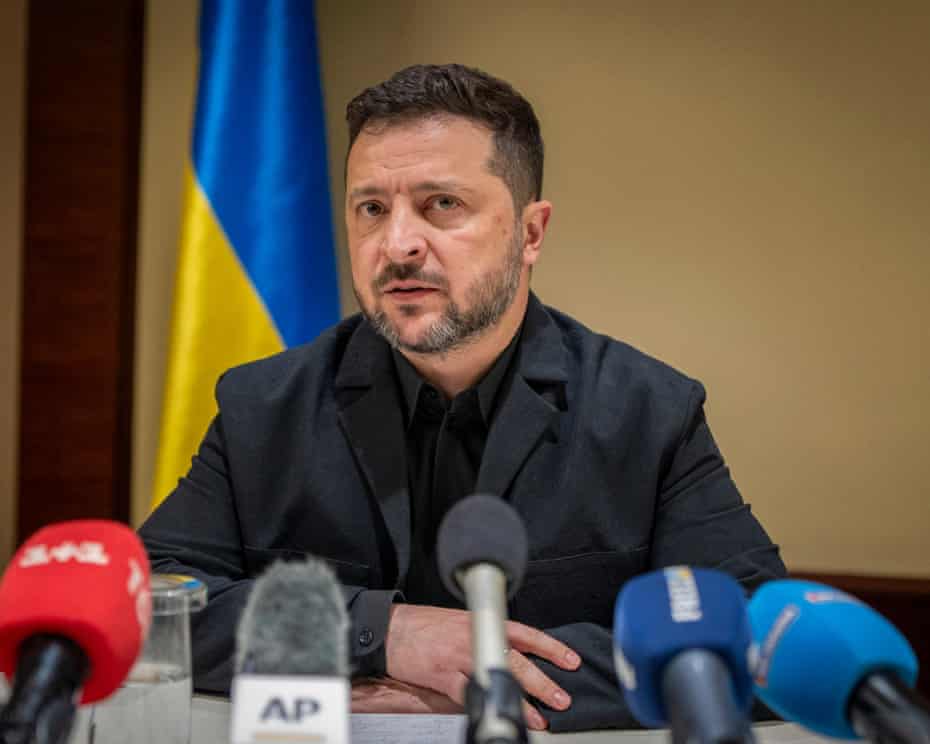
As Ukraine reports continued attacks and Russia has yet to confirm its participation in Trump’s proposed energy truce, European governments face renewed uncertainty over the prospects for a meaningful reduction in hostilities.
The immediate question remains whether Moscow will publicly accept the arrangement and halt attacks on Ukrainian energy infrastructure.
Russia violated Trump’s energy ceasefire, according to Ukraine’s latest reports, but the status of the proposed arrangement remains unclear because Russia has not confirmed its participation. The reported strikes have raised fresh doubts about whether the announcement will lead to a meaningful reduction in attacks.
Until the terms are clarified and both sides demonstrate compliance, Trump’s announcement is unlikely to remove the uncertainty surrounding the proposed ceasefire or the wider war.