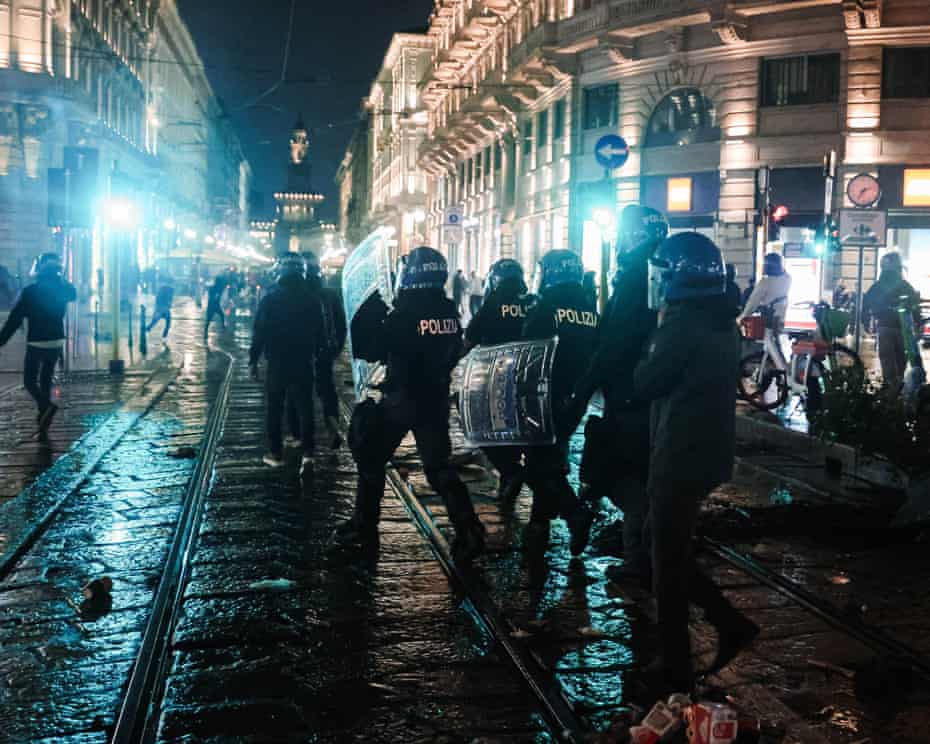
Milan protests have prompted Italy to prepare the deployment of 500 additional army troops after violent demonstrations over rising living costs and poor public services escalated into clashes with police, shop looting and property destruction.
Deputy Prime Minister Matteo Salvini announced the planned military deployment on Monday, October 19, saying the additional troops would help defend Milan as authorities prepare measures to prevent further violence.
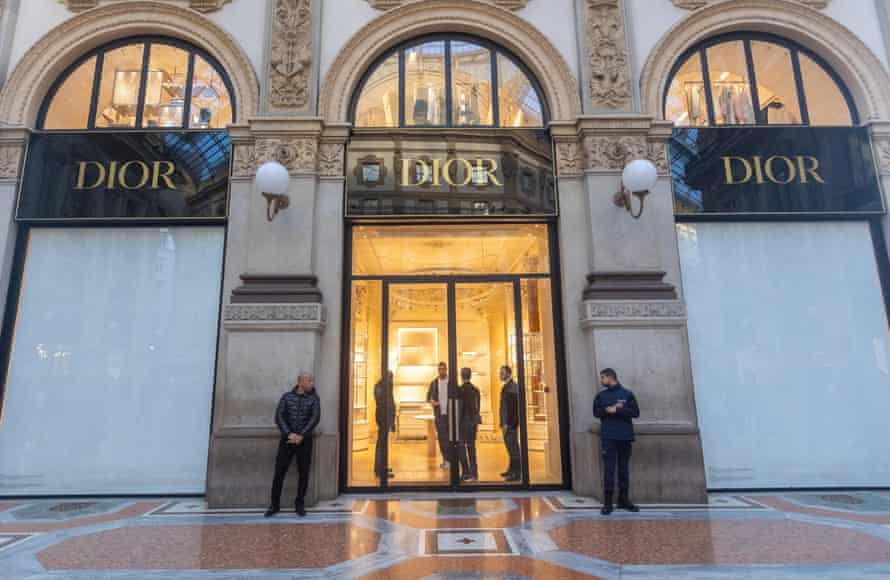
The unrest has forced businesses across the Italian financial capital to strengthen security, remove merchandise from display windows and close their doors earlier than usual. Luxury retailers in the city’s prestigious shopping districts have been particularly cautious ahead of a possible fresh outbreak.
The demonstrations began with complaints about living costs and public services but deteriorated over the weekend as groups of protesters allegedly looted shops, set rubbish bins on fire and damaged property.
Italy’s government is now considering tougher security measures as Prime Minister Giorgia Meloni faces mounting pressure to restore order ahead of next year’s national election.
Milan Protests Trigger Plan to Deploy 500 Army Troops
Salvini, who leads the co-ruling right-wing League party, announced the planned deployment through a social media post as the government prepared its response to the violence.
“From words to action: 500 more troops to defend Milan,” he wrote.
The additional soldiers are expected to form part of a broader security package that was scheduled for consideration at a cabinet meeting on Tuesday.
The announcement followed two days of unrest in Milan, where demonstrations escalated into confrontations between protesters and police officers.
Authorities are seeking to strengthen security across the city and discourage further attacks on businesses and public property.
The planned deployment also reflects growing concern about the scale of the disturbances and the possibility that violence could return to central Milan.
Luxury Shopping Districts Take Precautions
Businesses in Milan’s prestigious Via Montenapoleone shopping district moved quickly to protect their premises after the weekend’s unrest.
The district, known for its high-end international brands, saw shops remove merchandise from display windows as police increased their presence along the street.
Retailers associated with luxury names including Chanel, Tiffany and Dior were among the businesses taking precautions amid fears of further disorder.
Some shops closed early, while others cleared their windows and strengthened security arrangements.
Similar measures were visible inside Galleria Vittorio Emanuele, where several businesses closed or removed merchandise. Other retailers covered display windows and increased security around their premises.
The precautions demonstrate the economic consequences of the unrest, as businesses attempt to protect valuable merchandise while uncertainty remains over public safety.
Looting and Police Clashes Spread Across Milan
The violence followed an initially peaceful demonstration on Saturday, when protesters gathered to express frustration over rising living costs and deteriorating public services.
Read also: Manchester United vs Como: Seven injury concerns as Carrick waits on Martinez, Rashford and Shaw
https://swiftreportnow.com/manchester-united-vs-como-seven-injury-concern/
However, the situation deteriorated over the weekend as several hundred hooded protesters, many believed to be minors, allegedly set rubbish bins ablaze and looted shops in the city centre.
Television footage showed damage to retailers including sports stores Decathlon and Arc’teryx, as well as premises associated with telecommunications operator Vodafone.
Other businesses, including Levi’s and Under Armour, covered their shop windows with cardboard and wooden panels to reduce the risk of damage and theft.
The scenes prompted authorities to increase security measures while shop owners assessed the impact of the unrest.
The disturbances also raised questions about how demonstrations driven by economic grievances became associated with widespread property damage and confrontations with law enforcement.
Police Detain Hundreds Following Sunday Violence
Italian police reported detaining 271 young people during the unrest in Milan on Sunday.
Of those taken to police stations, 32 were arrested, including 23 minors and 13 foreign nationals, according to figures released by police on Monday.
Authorities also reported that a further 28 people had been referred to judicial authorities.
The figures underline the scale of the police operation following the disturbances, although detention and arrest do not by themselves establish criminal guilt.
Investigators are expected to examine individual involvement in the reported looting, vandalism and clashes as the authorities work to determine responsibility for the damage.
The response could also influence the government’s planned approach to preventing further violence, particularly where young people are involved.
Giorgia Meloni Government Considers Tougher Measures
Prime Minister Giorgia Meloni condemned the violence and chaired a meeting with ministers and security chiefs on Monday to discuss the situation.
The Italian government is preparing a broader response as it faces pressure to protect businesses, maintain public order and address the growing unrest.
Foreign Minister Antonio Tajani, who also serves as a deputy prime minister, warned that the government would take a firm position against attacks on public institutions and state authority.
“The government will respond firmly to these attacks on the state, including through measures aimed at curbing violence by minors,” Tajani wrote on X.
The statement suggests that the government’s response could extend beyond additional policing and military support to include measures specifically targeting youth violence.
According to Italian newspaper Corriere della Sera, Meloni was considering extending preventive detention for minors and intensifying action against youth gangs.
The newspaper also reported that the government could bring forward provisions contained in a security bill already being examined by parliament.
These proposals had not yet been confirmed as final government decisions in the report, with the planned cabinet meeting expected to consider the wider package.
Youth Violence Becomes a Major Political Issue
The involvement of young people in the disturbances has become a central concern for Italian officials.
Police figures indicated that 23 minors were among those arrested in Milan on Sunday, prompting renewed attention to how authorities should respond to youth involvement in violent incidents.
Any proposed changes to preventive detention or youth-gang enforcement would raise questions about public safety, criminal accountability and the treatment of minors within the justice system.
The government faces pressure to demonstrate that it can prevent further disorder without treating every participant in a demonstration as responsible for the actions of those involved in violence.
The cabinet’s decisions could therefore shape Italy’s immediate security response as well as the wider debate over how to address youth violence.
Protests Extend Beyond Milan to Other Italian Cities
Milan was not the only northern Italian city affected by unrest during the weekend.
Clashes were also reported in Bologna, Brescia, Bergamo and Turin, where police said 28 protesters were arrested, according to a report released on Sunday.
The incidents indicate that the demonstrations and associated disturbances extended beyond the country’s financial capital.
Although the scale and circumstances varied between locations, the unrest has increased pressure on national and local authorities to respond to public dissatisfaction while preventing violence.
The spread of demonstrations across multiple cities also complicates efforts to restore calm, as police and government officials must consider security risks in different urban centres.
For businesses, the disturbances create uncertainty over trading conditions, customer access and the safety of staff and property.
Authorities will be watching for signs of further mobilisation as the government prepares its security package.
Rising Living Costs and Poor Public Services Fuel Anger
The original demonstrations were driven by frustration over rising living costs and poor public services.
These concerns have become important issues for many European communities, where households face pressure from everyday expenses while questions persist about the quality and accessibility of public services.
In Milan, those grievances formed the backdrop to Saturday’s demonstration before the situation escalated into reported looting and vandalism.
The distinction between peaceful protest and criminal acts remains important: dissatisfaction with government policies does not mean that everyone attending a demonstration participated in violence.
Nevertheless, the reported destruction has shifted attention towards public order, the protection of commercial districts and the government’s ability to prevent similar incidents.
The authorities now face the challenge of responding to the causes of public frustration while ensuring that businesses and residents can operate safely.
Milan Unrest Echoes Violence in France
The disturbances in Italy have also drawn comparisons with unrest in neighbouring France, where hundreds of thousands of people reportedly protested over rising living costs and declining public services on Saturday.
The French demonstrations were described as among the country’s most violent protests in years, highlighting the wider pressures confronting governments across Europe.
Although the circumstances differ between countries, the events have placed economic insecurity, public services and social discontent at the centre of political debate.
Italy’s response is now likely to be watched closely as officials consider how to contain violence while addressing the concerns that brought demonstrators onto the streets.
The deployment of 500 additional soldiers could strengthen security in Milan, but military presence alone may not resolve the underlying economic grievances behind the demonstrations.
For Meloni’s government, the immediate priorities are to prevent further looting, protect residents and businesses, and establish whether additional legislative measures are necessary.
As shops reinforce their premises and police maintain a stronger presence, Milan remains on alert for further unrest. The government’s decisions in the coming days will determine how Italy balances public security, accountability for violence and the right to peaceful protest.