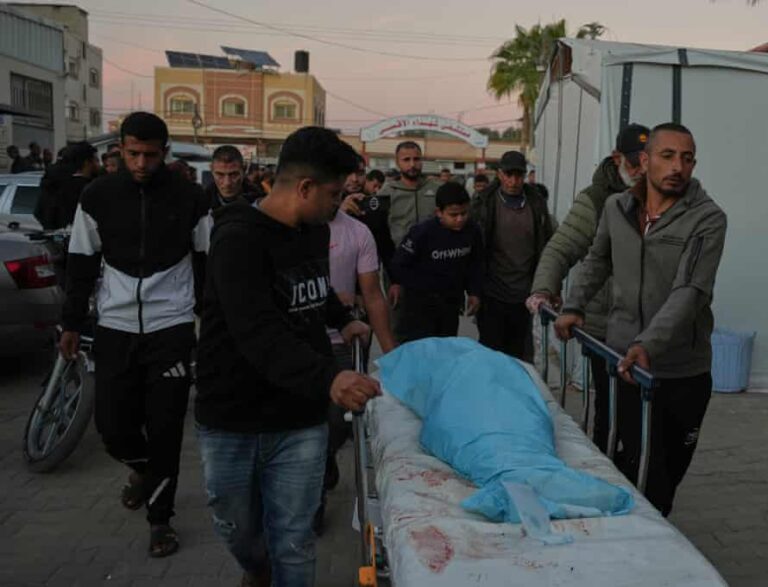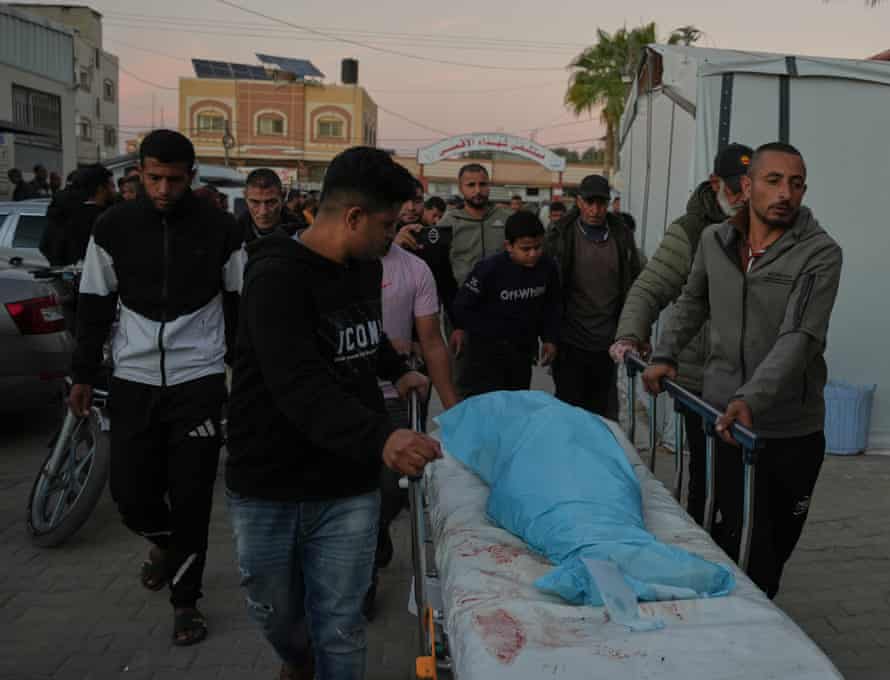
Gaza schoolchildren have continued to die in Israeli attacks, with at least 16 killed since the beginning of November, according to Gaza’s Ministry of Education, as the war continues to devastate families, schools and civilian communities across the territory.
The ministry said the latest deaths reflected an intensifying pattern of attacks affecting children, with young Palestinians facing growing insecurity, displacement, hunger and shortages of essential services. Many are struggling to survive without reliable access to food, clean water, healthcare and education.
Two sisters killed in Gaza City airstrike
The latest report followed the killing of two sisters, Yusra, 15, and Jana Mohammed Abu al-Ouf, 13, in an Israeli airstrike on a residential apartment in western Gaza City during the early hours of Wednesday.
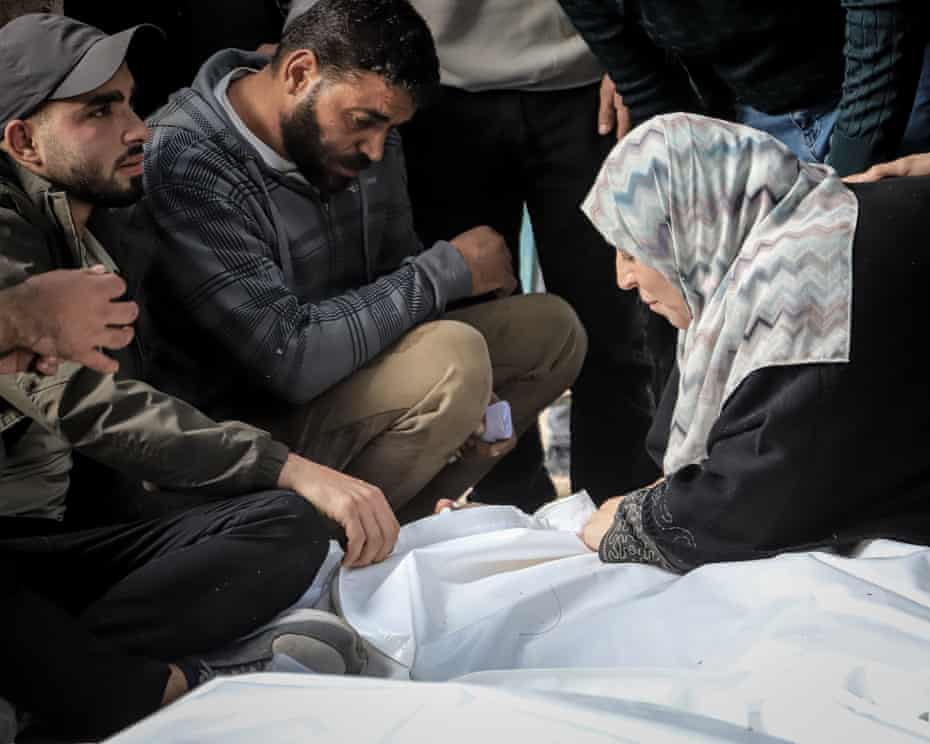
Yusra attended Kafr Qasim school, while her younger sister Jana was a student at al-Manar private school. Their deaths added to the growing number of children killed during Israeli military operations across Gaza.
The girls’ parents, Mohammed Majed Abu Al-Ouf and Noura Ezzat Abu Al-Ouf, were also killed in the attack, according to the ministry. Several other Palestinians sustained injuries.
Their father was reportedly a director of Hamas’s internal security services in northern Gaza.
In a statement issued on Wednesday, the ministry said Palestinian students had been targeted for the third time in less than 24 hours, describing the incidents as an escalation of Israeli violations against children in the territory.
It added that the number of schoolchildren killed since the beginning of November had reached 16, highlighting the mounting risks confronting students despite the international attention surrounding the protection of civilians.
Teenager killed while pursuing football dream
Another young Palestinian, Mohammed Nidal Barbakh, 15, was shot by Israeli forces on 6 November in the Bir 19 area of al-Mawasi, Khan Younis, and later died from his injuries.
The teenager was a tenth-grade student at Muscat school and reportedly dreamed of becoming a professional footballer. He was attending a sports academy training session when the incident occurred.
His father, Dr Nidal Mohammed Barbakh, said Mohammed had arrived at the academy around 1.30pm after lunch to participate in football training.
According to his account, an Israeli tank had advanced to a nearby hill before firing two rounds towards the playing field. One projectile reportedly ricocheted after striking a metal object, hitting Mohammed in the back and exiting through his neck.
“He was talented and an excellent student. He was killed at the age of 15, on a sports pitch in al-Mawasi, an area where people had been told to go because it was considered safe,” his father said.
He accused the Israeli army of responsibility for his son’s death, describing the tragedy as another devastating loss for Palestinian families whose children are growing up amid violence.
“It kills every ambition within us and buries our children’s dreams before they have a chance to come true,” he added.
The teenager’s death has further underscored the dangers confronting children in areas where civilians have previously been encouraged to seek refuge.
Father and son killed in Deir al-Balah shelling
On 13 November, Israeli artillery shelling in Deir al-Balah, central Gaza, killed three people, including a father, his 12-year-old son Ahmed Abu Daher and a woman.
Ahmed had reportedly hoped to become an Arabic language teacher, following the example of his grandfather, Saleh.
His mother, Walaa Abu Daher, said her husband had been travelling to a condolence gathering in the al-Qastal area east of Deir al-Balah when Ahmed asked to accompany him.
While they were attending the gathering, Israeli artillery fire struck the area. Ahmed reportedly ran to seek assistance from people at the gathering before rushing back towards his father when another shell was fired.
Shrapnel struck the boy in his legs, abdomen and head, according to his mother.
Read also: Faulty UK supermarket electrical goods found at Ghana’s Agbogbloshie waste site
https://swiftreportnow.com/faulty-uk-supermarket-electrical-goods-found/
She described the loss of her husband and son as overwhelming, saying the tragedy had left her feeling that her life had stopped.
The incident adds to the growing toll of Palestinian families who have lost children and relatives in attacks across Gaza, with many survivors left struggling to cope with grief, displacement and the destruction of their homes.
Gaza’s education system faces widespread destruction
The killing of schoolchildren has occurred alongside extensive damage to educational infrastructure across Gaza, leaving thousands of young people without access to regular schooling.
Thousands of children of school age and hundreds of education workers have been killed during Israel’s war, while tens of thousands of students have been unable to attend classes consistently.
According to figures cited by UNICEF, approximately 98 per cent of school buildings across Gaza have sustained damage. More than 93 per cent reportedly require major rehabilitation or complete reconstruction, while around 81 per cent have been directly hit.
The destruction has severely weakened the education system, with many school buildings no longer functioning as learning facilities. Some damaged schools have also been used as shelters by displaced families seeking protection from bombardment.
The Gaza Ministry of Education has previously described attacks against students, teachers and civilian education officials as part of a systematic assault on Palestinian education.
The widespread destruction means children face not only the immediate threat of death and injury but also the loss of opportunities to learn, develop and pursue their ambitions.
Children face another winter amid humanitarian crisis
Young Palestinians are also preparing to endure another winter in overcrowded tents and makeshift shelters, with limited access to adequate sanitation, healthcare and other basic necessities.
The worsening humanitarian situation has raised concerns about disease outbreaks, particularly among children living in densely populated displacement camps and damaged buildings.
Gaza’s health ministry recently issued an epidemic alert over meningitis following a sharp rise in infections, reporting more than 270 new cases in October.
Health organisations have linked the spread of infections to damaged infrastructure, overcrowded shelters and drinking water contaminated by sewage. Winter rainfall and flooding could further worsen conditions, particularly for families living in temporary shelters.
Restrictions on humanitarian assistance have also contributed to concerns over the availability of essential supplies, leaving vulnerable children exposed to hunger, disease and harsh weather conditions.
The combination of displacement, damaged hospitals, limited clean water and disrupted education continues to deepen the humanitarian crisis across the territory.
Death toll continues to rise despite ceasefire
Israeli attacks have continued across Gaza despite the ceasefire, with further casualties reported on Thursday.
At least nine Palestinians were killed in attacks across the territory, including Khaled Abu Nada, the deputy education minister appointed by Hamas, and his wife, according to health officials.
The continuing violence has raised further concerns over the safety of civilians, including children, teachers, humanitarian workers and displaced families.
According to Gaza’s health ministry, at least 74,746 Palestinians have been killed during Israel’s war over the past three years, while more than 20,000 children have reportedly died in Israeli strikes.
The latest deaths of students have renewed concerns about the protection of children and the future of education in Gaza, where families continue to face bombardment, displacement and deteriorating living conditions.
About The Author