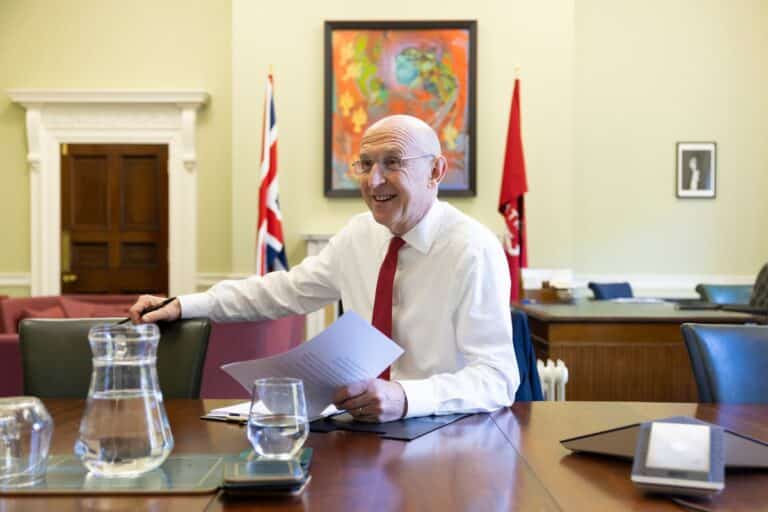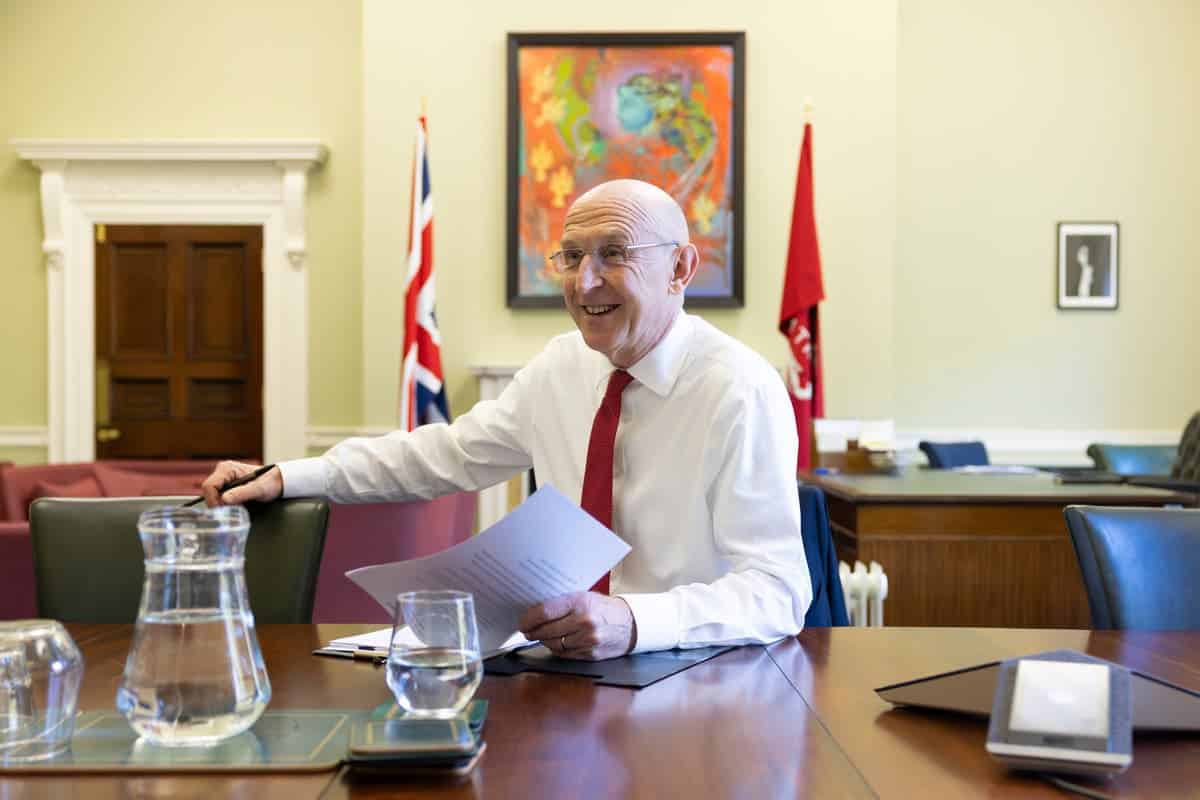
The UK Budget 2026 is set to bring relief to millions of households as Chancellor John Healey prepares to scrap standing charges on gas bills from 2027, or as soon as possible afterwards, under a series of measures aimed at tackling the cost-of-living crisis.
The Treasury announced on Wednesday, October 28, that the fixed daily charges, which households pay regardless of how much gas they consume, will be removed for approximately 23 million homes. The proposal could save households between £22 and £50 annually, although the final savings will depend on how energy bills are restructured.
Healey said the reform would address what he described as an outdated system that has placed additional pressure on British households already struggling with rising living costs. The announcement comes ahead of his first Budget under Prime Minister Andy Burnham’s government.
UK Budget 2026: What the Gas Standing Charge Changes Mean
Standing charges are fixed daily fees included in energy bills to cover costs associated with supplying gas to homes and businesses. Customers pay these charges even when they use little or no gas during a particular period.
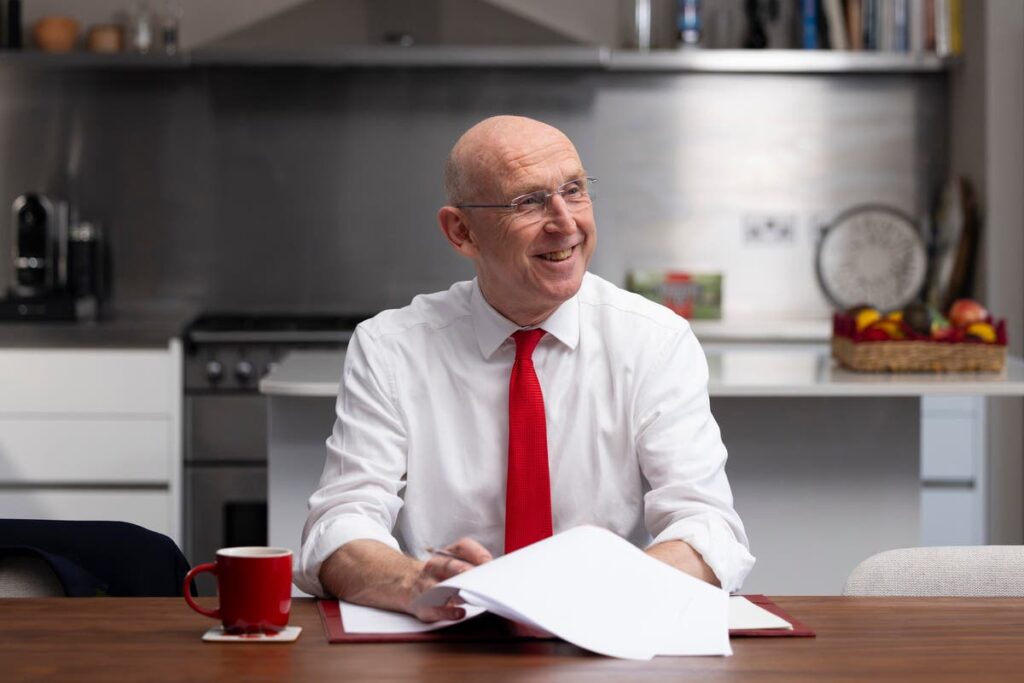
According to the Treasury, a typical household currently pays approximately £108 annually in gas standing charges. Removing the fees could particularly benefit people who consume relatively little gas but must continue paying the fixed amount.
The government has asked energy regulator Ofgem to implement the changes in 2027 or as soon as possible afterwards. However, the policy’s final structure and the extent of the benefits for different categories of consumers remain important considerations.
Healey said: “Gas standing charges are unfair and outdated so I am scrapping them to give millions of households a bit of breathing space.”
He added: “My Budget will draw a line in the sand on an energy policy that has failed British billpayers for years, letting extra costs on bills pile high and leaving households even more exposed to global shocks.”
The chancellor’s announcement represents one of several measures the government intends to introduce to ease pressure on household budgets. Nevertheless, critics argue that removing fixed charges alone may not be sufficient to address the wider energy affordability problem.
Andy Burnham Promises Reform of the Energy Market
Prime Minister Andy Burnham welcomed the announcement, describing the proposed changes as a matter of fairness and a way to give households greater control over their finances.
Burnham said his government was “determined to reform our broken energy market” following the Treasury’s announcement. The prime minister has promised to provide families and businesses with what he calls breathing space amid persistent economic pressures.
The government hopes the removal of gas standing charges will help reduce the burden on consumers who have faced higher household expenses in recent years. Energy prices remain a significant concern, particularly as international developments continue to affect economic conditions.
However, the reform has raised questions about whether suppliers might recover some of the money previously collected through standing charges by increasing the unit price customers pay for gas.
Such a change could affect households differently depending on their consumption patterns. People who use little gas might benefit from the removal of fixed fees, while households with high energy requirements could face a different financial outcome.
The government has yet to provide all the details needed to determine precisely how the policy will affect individual households. Consumer groups have therefore urged ministers to explain how vulnerable people will be protected before the changes take effect.
Fuel Poverty Campaigners Welcome the Proposal but Raise Concerns
The End Fuel Poverty Coalition welcomed the announcement but warned that millions of households might not benefit from the changes in the same way.
Simon Francis, coordinator of the coalition, said the proposal could provide meaningful assistance to some low-income households, particularly those that use very little energy.
He said: “But despite the positives of the gas standing charges proposal, millions of households won’t see a saving. This means ministers have serious questions to answer about who they are and, if they are vulnerable or on low incomes but have high energy needs, how they will be protected.”
Francis also raised concerns about the assumptions underlying the Treasury’s estimated savings. He argued that projections based on households maintaining their existing energy consumption might not adequately reflect the circumstances of people who already struggle to heat their homes.
He added: “The Treasury’s figures also assume nobody changes how much energy they use, so they tell us nothing about people who already can’t afford to heat their homes safely. We need proper modelling and monitoring of whether a higher unit cost will deter them from using the amount of energy they need to stay safe.”
The coalition specifically highlighted the circumstances of disabled people, individuals with long-term health conditions and families with young children. These groups may have greater energy requirements and fewer opportunities to reduce consumption without affecting their wellbeing.
Francis said: “Disabled people, those with long-term health conditions and families with young children often have no choice but to use more energy and many already miss out on the Warm Home Discount. Support for them must be in place before this change happens, not promised in due course.”
The concerns underline the importance of assessing the policy beyond its headline savings. Although abolishing standing charges could help some consumers, the overall impact will depend on how suppliers adjust energy prices and how the government supports households with additional needs.
Greens Criticise the Government’s Cost-of-Living Measures
The Green Party criticised the proposed abolition of gas standing charges, arguing that the government was offering limited adjustments instead of the fundamental reforms needed to address the cost-of-living crisis.
A party spokesperson described the announcement as “tinkering” and questioned whether the government’s wider economic programme would deliver meaningful improvements for struggling households.
The spokesperson said: “Abolishing standing charges is more tinkering from a government that is failing to take the bold action needed to end the cost-of-living crisis.”
The party also warned that energy bills could rise again during the winter, potentially offsetting some of the relief households might receive from the proposed changes.
The spokesperson added: “Energy bills have skyrocketed in recent years and are set to rise by hundreds of pounds again this winter.”
The criticism reflects wider concerns about whether the government’s Budget will provide sufficient support to households facing high prices, expensive borrowing and uncertainty about the economy.
The spokesperson concluded: “‘Hope’ is an easy thing to promise but will not be delivered by a business-as-usual Budget.”
The debate over standing charges is therefore likely to form part of a broader discussion about energy affordability, household incomes and the government’s approach to economic reform.
Food Prices, Minimum Wage and Other Budget Measures
The gas standing charge announcement is one component of a wider package of measures being prepared for the UK Budget 2026.
Before the main Budget speech, Healey announced plans to reduce the cost of selected supermarket products by removing import tariffs on more than 100 items. The affected goods include popular food products such as baked beans, gherkins and chocolate.
The government hopes that removing the tariffs will help reduce costs for businesses and potentially lead to lower prices for consumers. However, the extent to which shoppers benefit will depend on how retailers and suppliers respond to the changes.
The chancellor has also announced a planned two-pence increase in the price of a pint, illustrating the mixed nature of the measures being considered. While some policies are designed to reduce household expenses, others could increase costs in specific areas.
Reports ahead of the Budget also suggested that the minimum wage could rise by nearly four per cent, providing a potential boost to workers on lower incomes.
Changes involving parental pay and carers’ allowance have also featured among the government’s proposed measures. The prime minister said the changes would “make life a little easier” for people across Britain.
Despite these announcements, questions remain about the government’s plans for taxation, public spending and the funding of its broader political commitments.
Economic Pressures Complicate Healey’s First Budget
Healey faces a difficult economic backdrop as he prepares to deliver the government’s fiscal plans to Parliament.
The chancellor must balance promises to support households with demands for increased defence spending and the need to maintain control of public finances.
The economic consequences of the Iran war, rising borrowing costs and weaker growth have placed additional pressure on the government’s financial position, according to the report.
Government borrowing reached £24.5 billion in the previous month, exceeding expectations and highlighting the constraints facing ministers as they prepare the Budget.
The government is also under pressure to identify billions of pounds in savings or additional revenue to meet its spending commitments. This includes demands to strengthen Britain’s military capabilities while funding pledges made during the prime minister’s first weeks in office.
Healey previously served as defence secretary before leaving the position earlier in the year following a dispute over spending. His new role places him at the centre of decisions involving taxation, public investment and economic priorities.
The government has also faced questions about international aid spending, with a report suggesting that Britain could miss its target of spending 0.3 per cent of gross national income on overseas assistance unless changes are announced.
These competing demands mean that the Budget could have implications extending well beyond household energy bills.
When Will the UK Budget 2026 Be Announced?
Healey is expected to deliver the Budget speech in the House of Commons at approximately 12.30pm on Wednesday, October 28, following Prime Minister’s Questions.
The speech will outline the government’s approach to taxation, public spending and the wider economy, providing a clearer picture of how ministers intend to address the country’s financial challenges.
The government is expected to present the gas standing charge reform and reductions in selected food tariffs as part of its response to the cost-of-living crisis. However, the full details of its tax and spending plans will determine the overall impact on households and businesses.
For millions of households, the key question will be whether the measures translate into meaningful savings rather than simply shifting costs from one part of their bills to another.
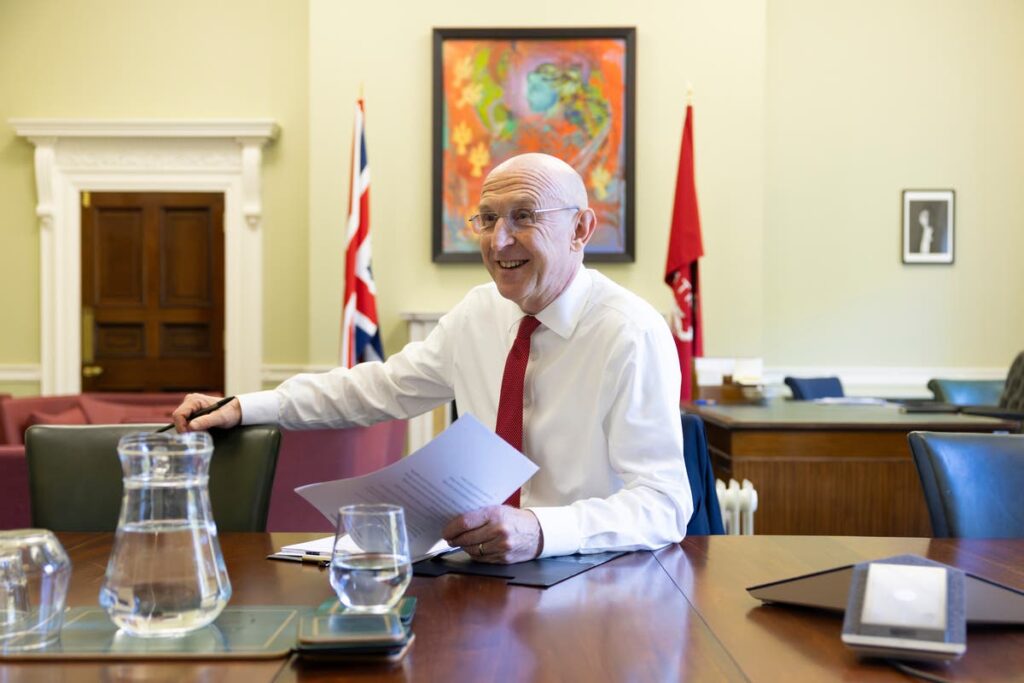
The proposed abolition of gas standing charges could provide some relief, but consumer groups are calling for detailed safeguards to ensure vulnerable households are not disadvantaged.
The effectiveness of the UK Budget 2026 will ultimately depend on how its policies are implemented and whether they improve living standards while addressing the economic pressures confronting Britain.
About The Author