Britain deploys RAF Typhoon jets on defensive missions over Saudi Arabia as Houthi drone and missile attacks intensify, with the United Kingdom expanding military assistance to protect Saudi cities, airports and critical infrastructure amid escalating tensions in the Middle East.
The British Ministry of Defence announced on Tuesday, October 20, that Royal Air Force fighter jets would help defend Saudi airspace against aerial threats from Yemen’s Iran-aligned Houthi movement.
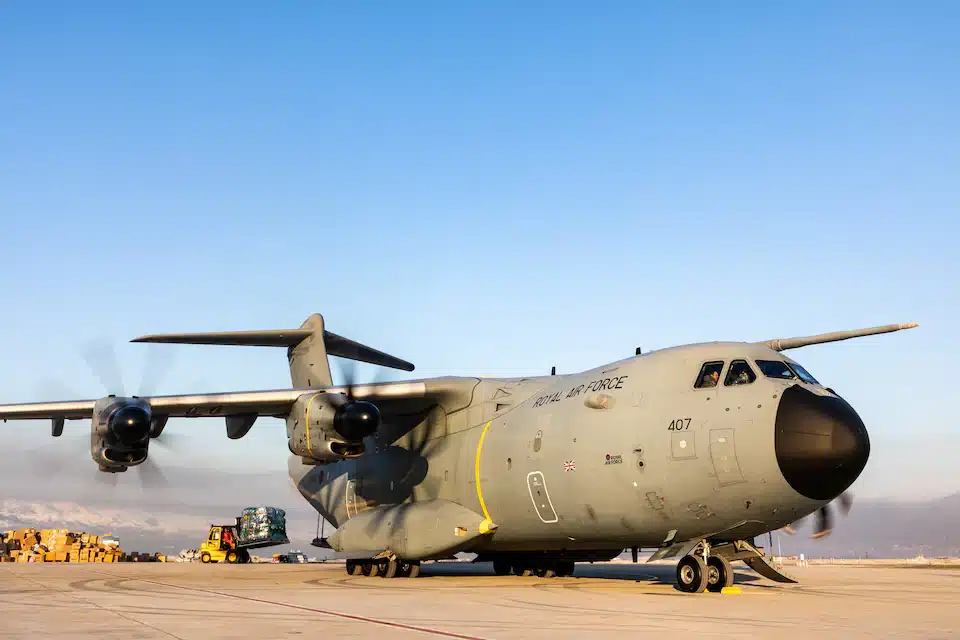
The deployment will also include an Atlas A400M military transport aircraft and military advisers, extending Britain’s existing support for Saudi Arabia following a request from the Saudi government.
British officials stressed that the fighter jets would operate exclusively in a defensive capacity and would not carry out offensive strikes against Houthi positions in Yemen.
Britain Deploys RAF Typhoon Jets to Protect Saudi Cities
Britain’s decision to deploy RAF Typhoon fighter jets follows growing concerns over Houthi attacks against Saudi Arabia, including threats to major cities, oil facilities and other critical infrastructure.
The Ministry of Defence said the aircraft would conduct defensive air missions intended to protect Saudi airspace from drones and missiles launched during the escalating regional conflict.
British Defence Minister Wes Streeting described the attacks as unacceptable, particularly the reported targeting of Riyadh’s airport.
“The continuing attacks from the Houthis on our ally Saudi Arabia are absolutely despicable. The targeting of the airport in Riyadh in particular shows the lengths the Houthis are going to escalate the situation in the region,” Streeting said in a statement.
He added that Britain was providing additional military assistance to strengthen Saudi Arabia’s ability to defend itself against aerial threats.
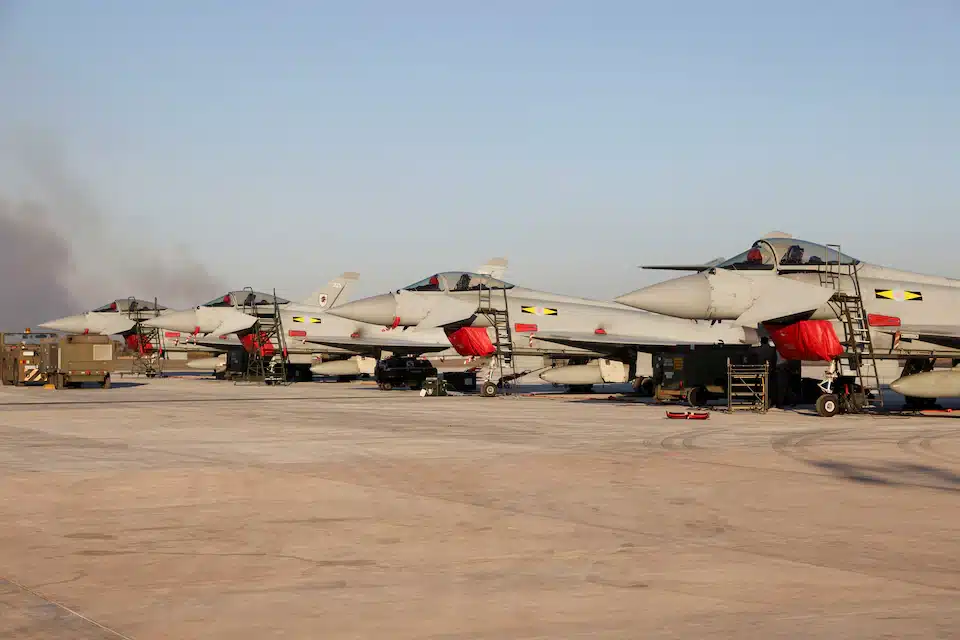
“That’s why today I have approved further UK military support. RAF Typhoons will fly defensive air missions to help protect Saudi airspace from drones and missiles,” the defence minister said.
The announcement represents an expansion of British military involvement in Saudi Arabia’s air defence as attacks on infrastructure raise concerns about regional stability and the security of international energy supplies.
British Fighter Jets Will Not Conduct Offensive Strikes
The British government has drawn a clear distinction between defensive air operations and direct attacks against the Houthis.
According to the Ministry of Defence, RAF Typhoon aircraft will focus on protecting Saudi airspace rather than conducting offensive missions against the Iran-aligned movement.
The distinction is significant because the conflict in Yemen has intensified, increasing the risk that military operations could spread or draw additional countries into the confrontation.
Britain’s stated approach allows it to support an important regional ally while limiting the announced role of its fighter jets to intercepting or responding to aerial threats.
However, the deployment comes at a time when attacks against Saudi infrastructure and military-linked facilities have become a growing concern for regional governments.
The British announcement did not provide a precise date for the beginning of the Typhoon missions or specify how many fighter jets would be deployed.
Riyadh Airport Attack Raises Security Concerns
The reported targeting of Riyadh airport has become a central concern in Britain’s explanation for expanding its military assistance to Saudi Arabia.
Riyadh is Saudi Arabia’s capital and a major centre for government, commerce and international travel. Threats against its airport therefore raise questions about civilian safety and the resilience of essential transport infrastructure.
Streeting specifically highlighted the airport in his statement, arguing that the attack demonstrated the seriousness of the threat posed by the Houthis.
The British government also warned that Houthi operations threatened regional stability and risked disrupting energy supplies and important trade routes.
Saudi Arabia is a major global oil producer, meaning attacks against its energy facilities could have consequences beyond the immediate conflict.
Disruption to production, transportation or export infrastructure could create uncertainty in international energy markets, while insecurity around regional shipping routes could increase risks for commercial operators.
Saudi Arabia Requests Additional British Military Support
The expanded deployment follows a request from the Saudi government for further assistance in responding to the aerial threats.
Earlier in October, Prime Minister Andy Burnham said Britain was prepared to consider Saudi Arabia’s request for additional support.
The latest decision follows that commitment, with London now confirming the deployment of fighter jets alongside transport capabilities and military advisers.
The British government had already announced assistance in September, including an RAF Voyager aircraft capable of providing air-to-air refuelling.
That earlier package did not include fighter jets, making the newly announced Typhoon missions a significant addition to Britain’s support.
The deployment of the Atlas A400M transport aircraft will also provide an additional military transport capability, while advisers are expected to contribute to the broader assistance programme.
The Ministry of Defence did not provide further details about the number of advisers or the precise operational arrangements for the new mission.
Houthi Attacks Intensify as Yemen Conflict Escalates
The British deployment comes as the conflict in Yemen intensifies, with Houthi attacks against Saudi oil facilities and other infrastructure increasing in recent weeks.
The Houthis, an armed movement aligned with Iran, have played a central role in Yemen’s prolonged conflict and have repeatedly been involved in confrontations affecting neighbouring countries and regional security.
Their attacks have raised concerns about the vulnerability of critical infrastructure, particularly where drones and missiles can threaten airports, energy installations and other strategic locations.
The latest British announcement reflects growing concern that the worsening security situation could have wider implications for countries across the Middle East.
The conflict also involves competing political and military interests, with Saudi Arabia supporting Yemen’s internationally recognised government against the Houthis.
Deadly Strike on Saudi-Backed Forces in Yemen
The deteriorating situation was underscored by a separate Houthi attack inside Yemen on Monday.
Authorities reported that a strike against a training camp for Saudi-backed government security forces killed 58 people.
The reported casualties highlight the continuing human cost of the conflict and the risks facing forces aligned with Yemen’s internationally recognised government.
The attack occurred as Britain announced additional defensive assistance for Saudi Arabia, although the Reuters report did not establish that the two developments were directly connected operationally.
The rising violence has nevertheless strengthened concerns about the possibility of further escalation and the impact of the conflict on neighbouring countries.
For Saudi Arabia, defending its cities and infrastructure remains a major security priority, particularly as aerial attacks increase the pressure on its air-defence capabilities.
What Britain’s RAF Deployment Means for Middle East Security
Britain’s decision to deploy RAF Typhoon jets signals a broader commitment to helping Saudi Arabia counter aerial threats at a time of heightened regional tension.
The deployment adds fighter aircraft to an assistance package that already includes air-to-air refuelling support, with the Atlas A400M transport aircraft and military advisers further expanding the announced arrangements.
The British government has presented the mission as defensive, emphasising that its aircraft will protect Saudi airspace rather than carry out offensive strikes against the Houthis.
That position may help clarify the immediate purpose of the deployment, although the wider consequences will depend on developments in Yemen and the frequency and severity of future attacks.
The involvement of British fighter jets also demonstrates how the conflict is affecting security relationships beyond Yemen’s borders.
Saudi Arabia’s request for assistance, and Britain’s decision to respond, reflect the importance both governments attach to protecting infrastructure and preventing attacks from destabilising the wider region.
Energy Supplies and Trade Routes Remain at Risk
Beyond the immediate military implications, the conflict raises concerns about the safety of energy infrastructure and commercial transportation across the region.
Saudi Arabia’s oil facilities are strategically important to international energy markets, while instability around regional transport corridors can complicate trade and increase operational risks.
Britain’s Ministry of Defence specifically warned that Houthi attacks threaten energy supplies and trade routes, placing the military announcement within a wider economic and security context.
The extent of any disruption will depend on future developments, including whether attacks continue and how effectively Saudi Arabia and its partners can protect vulnerable sites.
For now, Britain has confirmed that RAF Typhoon fighter jets will undertake defensive missions, supported by additional transport capabilities and military advisers.
The deployment comes as the conflict in Yemen grows more intense, with Riyadh’s airport, Saudi infrastructure and military-linked facilities facing heightened security concerns.