Qantas grounds Boeing 787 in Rome after bedbugs were discovered aboard an aircraft travelling from Perth, forcing the Australian airline to cancel a return service while engineers and maintenance teams carried out a deep clean.
The parasitic insects were reportedly found in the front section of economy class on the Boeing 787 Dreamliner operating flight QF5 from Perth to Rome on October 9, according to a source familiar with the incident.
The discovery prompted the airline to withdraw the aircraft from service after it arrived in the Italian capital, disrupting passengers scheduled to travel from Rome to Perth the following day.
The incident, first reported by The Sydney Morning Herald, has drawn attention to the challenges airlines face when dealing with bedbugs, which can hide in luggage, clothing, seats and other confined spaces.
Qantas confirmed that the flight was cancelled to allow its engineers and maintenance teams to clean the aircraft thoroughly after identifying a problem affecting a small number of economy-class seats.
Qantas Cancels Rome-to-Perth Flight After Bedbug Discovery
The aircraft was taken out of operation following the discovery of bedbugs aboard the Perth-to-Rome service, leading to the cancellation of the Rome-to-Perth flight scheduled for October 10.
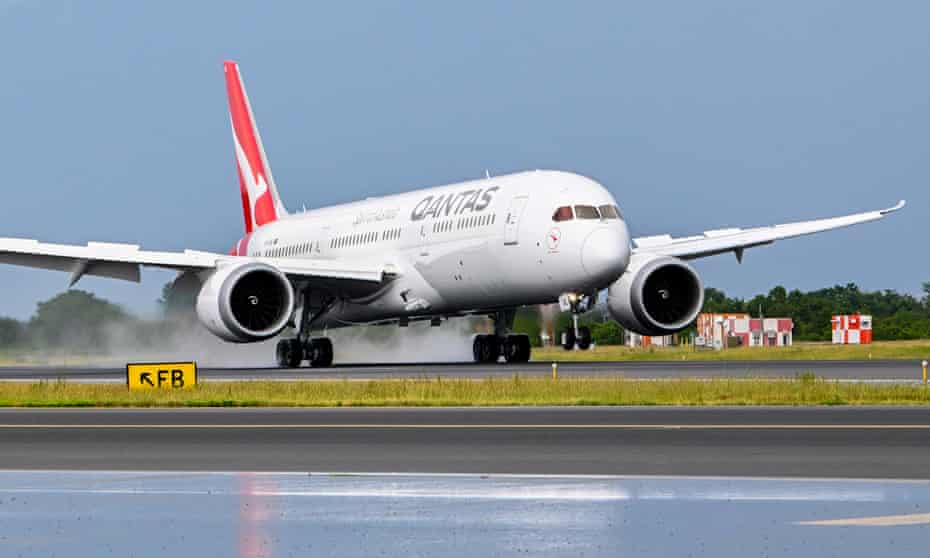
A Qantas spokesperson said the decision was necessary to ensure the aircraft could be properly cleaned before returning to service.
The airline said the cancellation was required to address “an issue identified on a small number of economy seats”.
Qantas also apologised to passengers whose travel plans were disrupted by the incident.
The spokesperson said the airline wanted to “sincerely apologise” to customers affected by the cancellation.
Passengers were provided with accommodation and rebooked on alternative flights within 48 hours of their original departure time, according to the airline.
Although the incident affected only a limited number of seats, the discovery required the aircraft to undergo additional cleaning before it could resume normal operations.
The disruption highlights how a relatively small pest problem can affect airline schedules when thorough inspection and treatment are required.
How Bedbugs May Have Entered the Aircraft
Bedbugs are small parasitic insects that feed on the blood of humans and certain other mammals. They are difficult to eliminate because they can hide in narrow gaps and survive for extended periods without feeding.
Experts believe the insects most likely entered the Qantas aircraft through a passenger’s belongings or clothing.
Professor Michelle Power, a parasitologist at Macquarie University, said the insects had “more than likely” been brought aboard in someone’s luggage or on their clothes before spreading into the cabin.
She explained that bedbugs are closely associated with travel because passengers can unknowingly pick them up in infested hotels or other accommodation.
“They’re associated with travel. People may go to a hotel that’s infested and because they like dark spaces and are attracted to the smell of human clothes, they make their way into someone’s luggage.”
The insects can then travel between locations without being noticed, making aircraft, hotels and other frequently used spaces potential routes for their spread.
Power also highlighted the unusual relationship between bedbugs and air travel, noting that the insects cannot fly independently.
“They’re a flightless insect, without planes,” she said.
Qantas Says Aircraft Cabins Are Regularly Cleaned
Qantas said its aircraft cabins are cleaned regularly and maintained to an extremely high standard.
The airline also said its aircraft receive disinfectant treatment every 50 days as part of its standard precautionary cleaning procedures.
However, the discovery demonstrates that routine cleaning does not necessarily prevent insects from entering an aircraft through passengers’ personal belongings.
Bedbugs can conceal themselves in upholstery, seams, crevices and other difficult-to-reach areas, making detection and eradication particularly challenging.
Their ability to remain hidden for long periods means an infestation may not become obvious until passengers or crew members notice signs of their presence.
In this case, the airline’s decision to remove the Boeing 787 from service allowed its engineers and maintenance teams to carry out a deeper cleaning operation.
Qantas did not indicate that the infestation posed a serious medical danger to passengers, but the disruption required affected travellers to change their plans and wait for alternative flights.
The incident also underlines the importance of pest-control procedures in aircraft maintenance, particularly for airlines operating long-haul international routes.
Are Bedbugs Dangerous to Passengers?
Although bedbugs can cause considerable discomfort, Professor Power said they were not generally dangerous.
Their bites can produce itchy and irritating skin reactions, but the insects are difficult to eliminate because they can remain concealed in bedding, furniture and narrow spaces for extended periods.
Power explained that bedbugs can survive without feeding for long periods, allowing them to remain hidden until suitable conditions return.
This resilience can make eradication expensive and time-consuming, particularly when insects spread into multiple areas.
Aircraft present a particular challenge because seats, fabric coverings and other interior components can contain small gaps in which the insects may hide.
A thorough response may therefore require more than ordinary surface cleaning, depending on the extent and location of an infestation.
The Qantas incident illustrates why airlines may need to withdraw an aircraft temporarily from service when pests are discovered, even if the problem appears confined to a small section of the cabin.
Bedbug Infestations Also Reflect Wider Inequality
Beyond the inconvenience caused to travellers, Power highlighted the unequal burden of bedbug infestations on different groups of people.
She said frequent travellers, including wealthier individuals, can inadvertently transport bedbugs between hotels, homes and other destinations.
Read also:UK Sanctions Dutch Businessman Over Machinery Supplies to Russian Missile Manufacturers
https://swiftreportnow.com/uk-sanctions-dutch-businessman-over-machineries/
However, people already experiencing health and financial disadvantages may struggle to afford effective pest-control measures.
Power noted that eliminating bedbugs can require access to pesticides or the ability to heat water to approximately 55C, a temperature that can help kill the insects.
For households with limited resources, the cost of treatment and the practical difficulties of managing an infestation can make the problem harder to resolve.
The issue therefore extends beyond travel disruption, affecting housing conditions, household finances and the ability of people to maintain pest-free environments.
While bedbugs are not generally considered dangerous, persistent infestations can cause distress and discomfort, particularly when repeated treatment is needed.
Qantas Faces Travel Disruption After Rome Incident
The cancellation of the Rome-to-Perth service demonstrates how unexpected maintenance issues can disrupt international airline operations.
Passengers affected by the cancellation had to rely on alternative arrangements, with Qantas saying accommodation and replacement flights were provided within 48 hours of their original departure time.
The airline’s response focused on cleaning the affected aircraft and ensuring it could return to service after the problem was addressed.
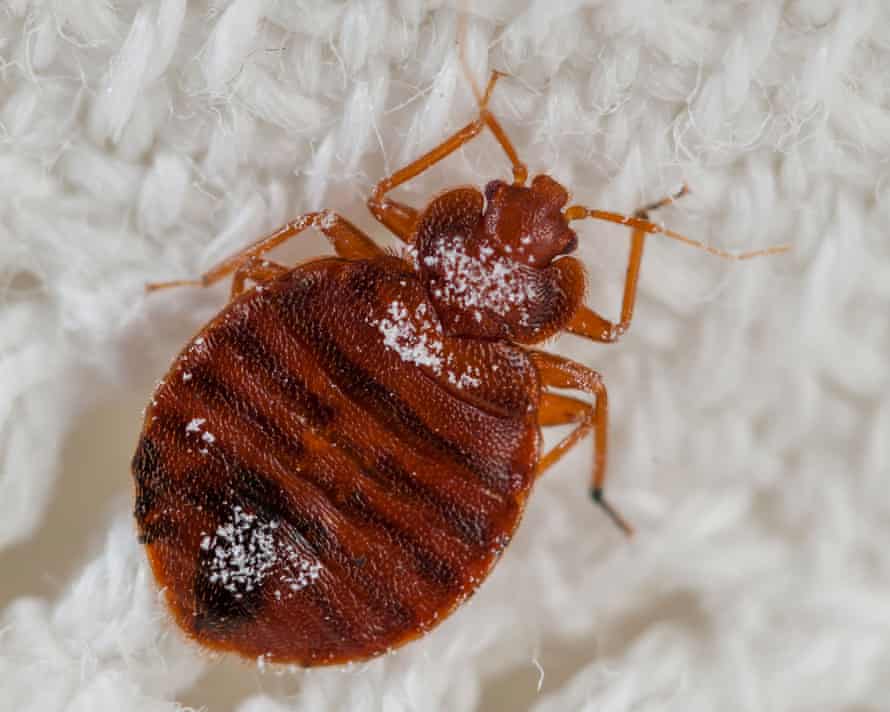
Although the insects were reportedly discovered in only a small number of economy seats, the aircraft’s withdrawal from operation was necessary to facilitate the additional cleaning.
The incident also serves as a reminder that bedbugs can spread through ordinary travel, often without passengers realising they are carrying them.
For airlines, hotels and travellers, preventing their spread depends partly on early detection and careful inspection of luggage, clothing, bedding and upholstered surfaces.
Qantas has apologised for the disruption, while the incident highlights the difficulties of eliminating a pest that can remain concealed in confined spaces and travel unnoticed between countries.