Ifa Religion Council has written to Oyo State Governor Engr. Seyi Makinde again, alleging that the Chairperson of Broadcasting Corporation of Oyo State ignored agreements reached to resolve a dispute over religious discrimination.
In a letter dated August 3, 2026, signed by Public Relations Officer Ifajemisin Awoyemi Ayanladun, the council thanked Makinde for receiving its earlier petition.
The group, however, said management of BCOS has yet to implement resolutions from a peace meeting convened by the Office of the Special Adviser on Inter-faith on July 13, 2026.
The council commended the governor for his “commitment to justice, fairness, religious tolerance and good governance.”
It appealed for direct intervention, saying the matter remains unresolved due to alleged non-compliance by BCOS leadership.
BCOS Chairman Dotun Olaitan Accused Of Breaching Agreement
The core of the complaint centers on BCOS Chairman Dotun Olaitan and her alleged refusal to act on the July resolutions.
According to ICIR, two key agreements have not been carried out.
First, the issuance of a letter of clarification and apology to Dr. Fayemi Fatunde Fakayode over his description as a “controversial Ifa Priest.”
Second, the withdrawal of all queries, warning letters, transfers and disciplinary actions against BCOS staff who facilitated the Ifa representative’s participation.
The council said these steps were needed to restore confidence and uphold constitutional rights.
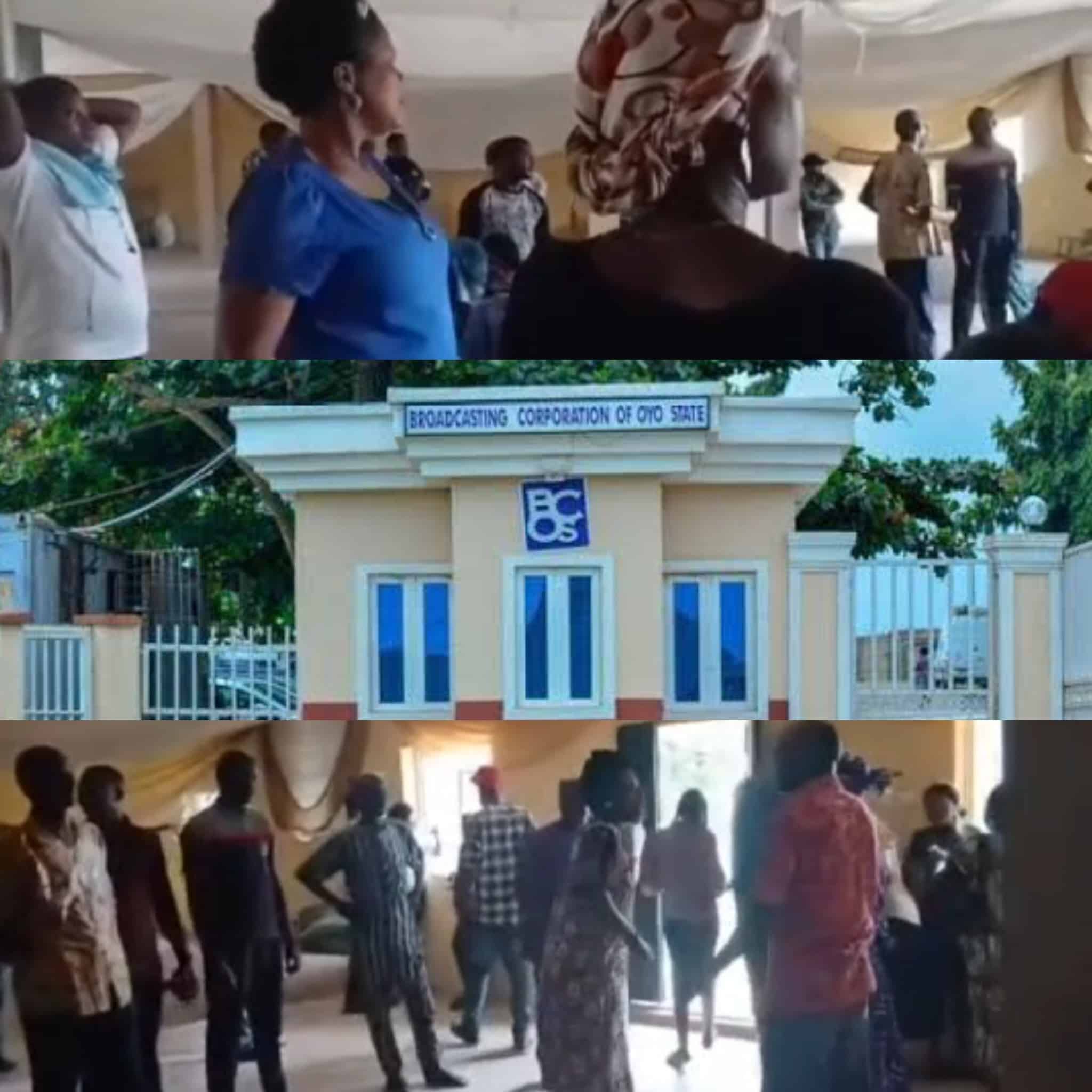
The dispute stems from an interfaith prayer programme organised by NUJ and RATTAWU at BCOS on Tuesday, June 2, 2026.
The event was meant to include Christianity, Islam and Yoruba Traditional Religion to promote inclusiveness.
ICIR stated that Dr. Fayemi Fatunde Fakayode, a respected Ifa scholar, was invited as the traditional religion representative.
Dr Fayemi Fatunde Fakayode Alleges Public Humiliation
The council alleged that instead of support, Dr Fayemi Fatunde Fakayode faced hostility during the programme.
“Rather than support the spirit of religious harmony, Mrs. Dotun Olaitan objected to the participation of the traditional religion representative,” the petition stated.
It described the incident as “hostility and public embarrassment directed at Dr. Fakayode” during the event.
The council argued this amounted to an abuse of office and a violation of his constitutional rights.
ICIR cited Sections 38 and 42 of the 1999 Constitution, which guarantee freedom of religion and prohibit discrimination.
It maintained that BCOS, as a government-owned broadcaster, must remain impartial and treat all faiths fairly.
Mrs. Olaitan has denied the allegations. She said she neither humiliated nor disrespected Dr. Fakayode.
According to her, only Christian and Muslim clerics were originally scheduled, as they are regular participants.
She stated that no formal arrangement had been made for an Ifa priest and his inclusion was not part of the initial programme.
Olaitan said she attended briefly to prevent misunderstanding and insisted she did not insult anyone.
She also noted that Dr. Fakayode has appeared on several BCOS programmes before and that the entire event was recorded.
Despite that, ICIR insists the process and tone of the day caused harm and set a bad precedent.
The council said the alleged actions undermine peaceful religious coexistence in Oyo State.
It also warned that failing to implement the peace resolutions sends the wrong signal to minority faiths.
Governor Makinde’s administration has positioned itself as a defender of religious tolerance.
ICIR said it appreciates that stance but needs to see it reflected in concrete actions at BCOS.
The July 13 meeting was intended to close the matter through dialogue and clear commitments.
The council listed the apology letter and reversal of staff sanctions as minimum steps for healing.
Without them, it argues, staff may be afraid to support interfaith initiatives in future.
This could, in turn, limit representation of traditional religion on state media.
Oyo has a large population of Ifa adherents, and the council wants equal visibility.
The petition also referenced broader concerns about fairness in public institutions.
ICIR reaffirmed its commitment to “peace, dialogue and harmonious coexistence among all religious groups.”
It expressed confidence that Makinde’s government would ensure constitutional rights are protected.
The group urged swift implementation so the matter does not escalate further.
Community leaders have called for calm while awaiting the governor’s response.
Some observers note that media houses often struggle with balancing tradition and established programming formats.
However, constitutional provisions, they argue, require equal treatment once an invitation is extended.
The NUJ and RATTAWU, as co-organizers, have not issued a fresh public statement on the implementation status.
BCOS staff who received queries are reportedly waiting for clarity on their status.
For them, the withdrawal of disciplinary measures is both a professional and personal concern.
The council said targeting staff for facilitating inclusion discourages future efforts at diversity.
It also risks creating a chilling effect on editorial decisions at the state broadcaster.
Legal experts say Section 38 protects the right to manifest religion, subject to public order.
Section 42 bars discrimination on grounds including religion, which strengthens ICIR’s argument.
The council is not asking for special treatment, it stressed, only equal treatment.
The letter to Makinde frames the issue as one of governance and fairness, not confrontation.
ICIR said it remains open to further dialogue mediated by the Special Adviser on Inter-faith.
It also offered to work with BCOS management on a clear interfaith participation policy.
Such a policy, it suggested, would prevent confusion about invitations and protocols.
That could include a rotating slot for traditional religion in regular programmes.
The council believes this would institutionalize inclusion beyond one-off events.
For now, the ball is back in the government’s court.
Makinde has not publicly commented on the latest letter as of August 4.

His previous intervention was acknowledged by ICIR as a positive step.
The council hopes that acknowledgment will translate into enforcement.
Victims’ advocates say symbolic gestures like an apology matter for public trust.
They also argue that protecting staff from retaliation encourages civic participation.
Read also: Ifa Religion Council petitions Makinde again, says BCOS chairman ignored peace resolution
https://ireport247news.com/ifa-religion-council-petitions-makinde-bcos-chairman/
The case has drawn attention on social media, with many calling for religious equity.
Others urge all parties to avoid politicizing faith matters.
ICIR maintains it is not seeking conflict, only compliance with agreed terms.
“We believe in the governor’s commitment to justice,” the letter concluded.
The council is watching to see if BCOS will issue the clarification and drop sanctions.
Until then, it says, the peace resolution remains incomplete.