Nigeria investigates an Ebola case in Abuja, traces 44 contacts and strengthens airport surveillance as health authorities work to prevent further infections.
Nigeria has begun a fresh public health response following the detection of Ebola Virus Disease in Abuja, placing health institutions and aviation authorities on alert as officials work to determine whether the infection has exposed other people to the virus.
The Federal Government confirmed the case on Tuesday, October 20, 2026, disclosing that investigations had identified 44 close contacts of the infected woman.
Authorities are now working to trace those individuals and establish whether additional people require medical monitoring.
The case has renewed attention to Nigeria’s preparedness for infectious disease emergencies, particularly the risks associated with international travel and the movement of people between countries experiencing Ebola outbreaks.
Health Minister Prof. Muhammad Ali Pate said the woman had arrived in Nigeria from Uganda on an international flight before being admitted to a private hospital in the Federal Capital Territory.
She spent several days receiving treatment before laboratory tests confirmed the infection. She is currently isolated and receiving medical care, according to the minister’s statement.
The government has not indicated that all the identified contacts are infected. Rather, the tracing exercise is intended to determine who may have been exposed and what further action, if any, is required.
International travel becomes part of investigation
The patient’s recent journey has made travel-related exposure an important aspect of the ongoing investigation.
Public health teams are examining possible contact involving people who interacted with the woman, including healthcare personnel, patients, caregivers and individuals connected to her travel.
The exercise is being coordinated by the Federal Ministry of Health and Social Welfare, the Nigeria Centre for Disease Control and Prevention (NCDC), the FCT Health Services Secretariat and other relevant agencies.
Officials are expected to use information gathered during the investigation to determine whether further individuals should be monitored.
The hospital where the woman received treatment is also being supported to improve infection prevention arrangements and reduce the possibility of exposure among staff and other patients.
Healthcare providers nationwide have been asked to remain alert to possible Ebola symptoms. They have also been instructed to report suspected infections promptly, isolate patients when necessary and follow established infection prevention procedures.
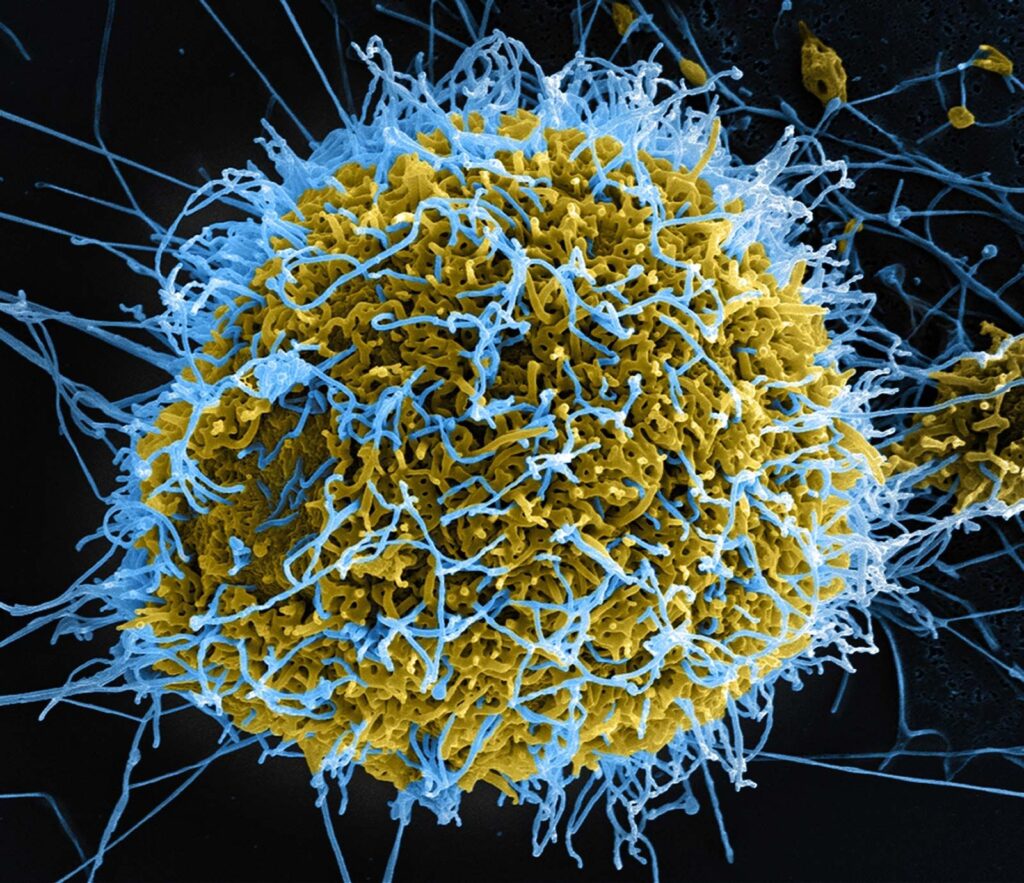
The measures are intended to ensure that any additional infection is detected quickly rather than discovered after further exposure has occurred.
Aviation authorities increase vigilance
Nigeria’s aviation sector has also been drawn into the response, with the Federal Airports Authority of Nigeria announcing heightened vigilance at major airports across the country.
FAAN said it was working with the NCDC, Port Health Services, the Nigerian Civil Aviation Authority and other relevant stakeholders to support measures aimed at protecting the travelling public.
Henry Agbebire, the authority’s Director of Public Affairs and Consumer Protection, said FAAN would continue coordinating its operations with public health officials and follow additional directives where necessary.
The authority also urged passengers, airline operators and airport employees to comply with applicable health screening procedures and pay attention to official guidance.
FAAN stressed the importance of responsible information sharing, advising Nigerians against circulating unverified reports about the infection.
The airport measures form part of the wider national response. However, the announcement of heightened vigilance should not be interpreted as confirmation of infections at other airports.
What the public needs to know
The government has urged Nigerians to avoid panic while taking reasonable precautions against possible exposure.
Ebola can spread through direct contact with the blood or other bodily fluids of an infected person who has developed symptoms. Transmission can also occur through contaminated objects and surfaces.
According to the World Health Organisation, symptoms may develop between two and 21 days after infection.
Warning signs include fever, severe weakness, headache, vomiting and diarrhoea. These symptoms can occur in other illnesses, so their presence alone does not establish that someone has Ebola.
People who develop concerning symptoms after a possible exposure should contact public health authorities for instructions and avoid unnecessary close contact with others while awaiting guidance.
Regular handwashing and avoiding contact with the bodily fluids of suspected or confirmed cases are among the precautions recommended by health authorities.
The government has also appealed to anyone contacted by disease surveillance teams to provide accurate information and follow official instructions. This includes potentially exposed travellers who may be approached as part of the investigation.
Cooperation is particularly important because contact tracing helps health officials establish possible transmission links before further infections occur.
Nigeria’s previous experience offers lessons
Nigeria has dealt with Ebola before. In 2014, an infected traveller introduced the disease into the country, triggering an emergency response involving case identification, isolation, contact tracing and coordination among health authorities.
The outbreak was contained, demonstrating the value of prompt intervention and organised public health surveillance.
Pate said Nigeria’s previous experience and existing health response systems provided a foundation for addressing the current case. He also emphasised that the outcome would depend partly on public cooperation.
The latest development comes after the NCDC issued an advisory on October 6 warning of the risk of Ebola being imported into Nigeria amid regional developments.
The advisory followed a reported confirmed case in Kenya linked to an outbreak in the Democratic Republic of the Congo. The situation highlighted the need for vigilance at points of entry and preparedness across healthcare facilities.
Government awaits further findings
Investigations into the Abuja case are continuing under the coordination of the relevant health authorities. The Presidential Task Force on Ebola Virus Disease and the NCDC are expected to provide further updates as necessary.
The public can contact the NCDC’s toll-free call centre on 6232, available around the clock, for information or to report a suspected case.
For now, the key priorities are to trace identified contacts, monitor potential exposure, maintain infection prevention standards and ensure that suspected cases receive prompt attention.
The investigation will help authorities determine whether the infection remains limited to the confirmed patient or whether additional public health action is required.