Ukrainian President Volodymyr Zelenskyy says allies failed to warn Kyiv before Russian ballistic missile strikes hit civilian infrastructure, raising fresh concerns about intelligence cooperation as tensions between Ukraine and the Trump administration continue to grow.
Zelenskyy said five Russian ballistic missiles struck civilian infrastructure in the Ukrainian capital on Monday, describing the attack as “particularly vile” and stressing that early warnings could help protect lives.
The Ukrainian leader did not directly blame any country for the absence of an advance warning. However, his remarks came amid reports that US officials had threatened to suspend intelligence sharing with Kyiv.
The development has intensified questions about the reliability of Ukraine’s security partnerships as Russia continues its bombardment of Ukrainian cities and critical infrastructure.
Zelenskyy Highlights Importance of Early Warning Systems
Zelenskyy emphasised that intelligence supplied by Ukraine’s Western partners plays a crucial role in helping the country prepare for incoming Russian attacks.
“This is precisely what helps prevent people from being killed – when there is an early warning about ballistic missiles,” he wrote on social media.
He also stated that receiving intelligence from Ukraine’s allies “helps saves lives, and this is one of the most critical issues”.
His comments underline the importance of timely intelligence in a war where Ukrainian civilians face repeated threats from ballistic missiles, drones and other Russian weapons.
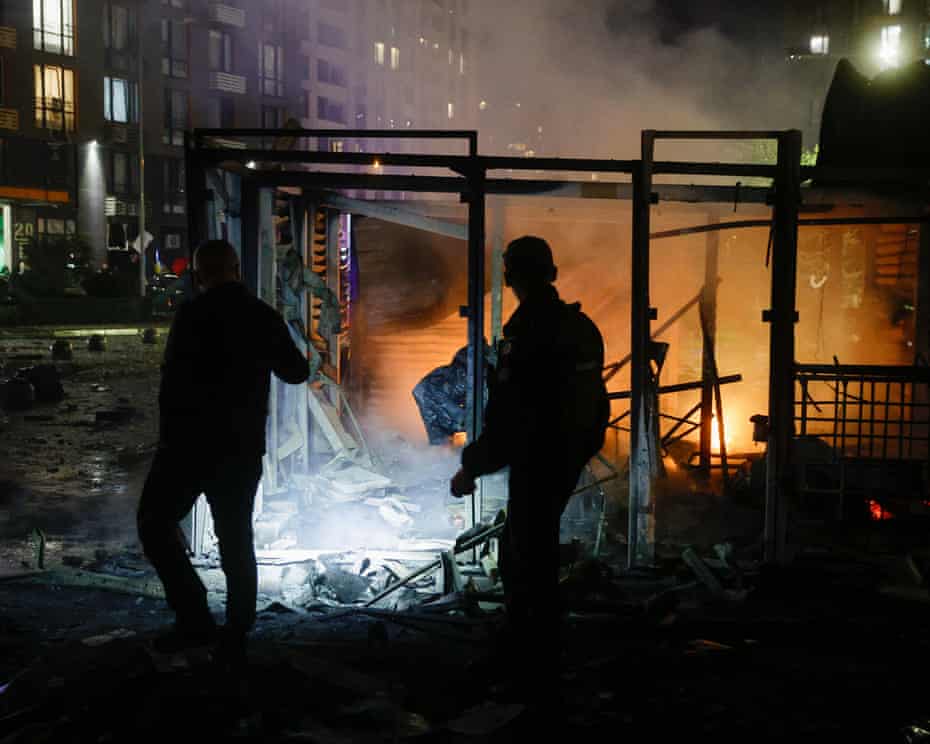
Although Ukraine has developed its own military intelligence capabilities, warnings about incoming attacks can provide civilians and emergency services with valuable time to seek shelter.
Zelenskyy described the lack of warning as unfortunate but stopped short of accusing Washington or any other partner of deliberately withholding information.
Ukraine Says Cooperation With Washington Continues
Ukraine’s Foreign Minister, Andrii Sybiha, offered some reassurance about the status of cooperation with the United States.
Speaking in Warsaw, Sybiha indicated that intelligence cooperation was continuing. He suggested that the absence of a warning before the Kyiv attack was connected to a “special type” of Russian weaponry.
His explanation is significant because the incident occurred shortly after reports that the Trump administration was considering suspending intelligence sharing with Ukraine.
US intelligence has become an important component of Ukraine’s defence against Russian missile attacks, particularly when identifying launches and tracking threats that could reach populated areas.
However, the Ukrainian government has not publicly attributed the failure to provide advance warning to an intentional decision by the United States.
The distinction matters because the available information points to concerns about a specific attack, rather than confirmation that the broader intelligence-sharing arrangement has been suspended.
Trump Administration Threatens to Suspend Intelligence Sharing
The controversy follows reports that US officials issued explicit threats to their Ukrainian counterparts over the weekend, warning that President Donald Trump’s administration was close to halting intelligence sharing with Kyiv.
Such a move would create additional difficulties for Ukraine as it attempts to defend its cities against Russian missiles and long-range drones.
American intelligence is particularly important for warning Ukraine about Russian ballistic missile launches and the take-off of long-range bomber aircraft.
Ukrainian commanders have argued that they do not necessarily require American intelligence to identify targets for deep strikes inside Russia because facilities such as oil refineries can be identified through publicly available mapping services.
However, detecting an imminent attack and providing advance warnings to protect civilians presents a different challenge.
The controversy has therefore highlighted the distinction between intelligence used for offensive military operations and information that helps Ukraine anticipate incoming Russian attacks.
Trump Presses Ukraine Over Attacks on Russian Oil Refineries
The latest tensions also reflect disagreements over Ukraine’s attacks on Russian energy infrastructure.
President Trump has demanded that Kyiv stop attacking Russian oil refineries and has blamed Zelenskyy for contributing to rising fuel prices in the United States.
On Friday, Trump announced a deal with Russian President Vladimir Putin to import diesel from Russia, dropping previous US sanctions, according to the report.
Trump also announced what he described as an agreement between Moscow and Kyiv for an energy ceasefire.
However, Zelenskyy said the proposed arrangement was “news to me”, indicating that Ukraine had not agreed to the deal as presented by the American president.
On Tuesday, the Ukrainian leader said his military had not attacked Russian oil refineries or energy facilities during the two days following Trump’s Sunday announcement.
He accused Moscow of continuing its attacks against Ukraine’s energy infrastructure despite the announcement of the supposed ceasefire.
“Russia did not heed the president … The Russians sent absolutely clear signals that they have no intention of refraining from strikes,” Zelenskyy said.
His remarks suggest that Kyiv remains sceptical about any arrangement that requires Ukraine to halt its attacks without firm assurances that Russia will also stop targeting Ukrainian energy facilities.
Russia Continues Attacks on Ukraine’s Energy Infrastructure
Russia’s continued bombardment has placed additional pressure on Ukraine as the country prepares for the winter months.
Repeated attacks on electricity and heating infrastructure have contributed to widespread blackouts in Kyiv and other Ukrainian cities.
The campaign has raised fears that millions of civilians could face serious hardship if essential services are disrupted during the coldest months of the year.
Ukraine and its Western partners have repeatedly sought to strengthen the country’s air defences, particularly against ballistic missiles and long-range drones.
However, Kyiv has struggled to intercept all incoming threats and has appealed to its allies for additional supplies of US-made Patriot air-defence missiles.
These systems are among the weapons Ukraine relies on to protect cities and critical infrastructure from Russian aerial attacks.
The reported threats against intelligence sharing and military procurement have consequently raised concerns about whether Ukraine will receive sufficient assistance to sustain its defences.
Washington Reportedly Threatens European Weapons Procurement Scheme
The Financial Times also reported that the Trump administration had threatened to suspend a procurement arrangement under which European allies purchase advanced American weapons for Ukraine.
The scheme allows European countries to finance the purchase of US-made military equipment that is subsequently delivered to Kyiv.
Read also: UK Sanctions Dutch Businessman Over Machinery Supplies to Russian Missile Manufacturers
https://swiftreportnow.com/uk-sanctions-dutch-businessman-over-machineries/
The arrangement has been important for Ukraine because it helps secure advanced weapons without requiring every purchase to be funded directly by the United States.
A suspension could complicate efforts to replenish Ukraine’s weapons supplies, particularly its dwindling stocks of Patriot missiles.
The possibility of restrictions on both intelligence sharing and weapons procurement has therefore increased uncertainty over the future of American support.
Nevertheless, reports of threats to suspend assistance should not automatically be interpreted as confirmation that every affected programme has already been halted.
Russian Attack Kills Four in Kharkiv
The latest concerns over Kyiv came as Russia continued attacking other Ukrainian cities.
On Monday, Russian forces bombarded Kharkiv, destroying a residential building and leaving several people dead or injured, according to Zelenskyy.
The Ukrainian president said four people had been killed and 41 injured in the attack.
Rescue workers reportedly spent the entire night searching through the rubble for people who might have been trapped beneath the destroyed building.
The casualties underline the continuing danger facing civilians as Russian attacks strike residential areas and critical infrastructure.
The attacks have also intensified pressure on Ukraine’s government to secure more effective air-defence systems and reliable intelligence from its international partners.
For Kyiv, early warnings remain particularly important because they can provide civilians with opportunities to reach shelters before incoming missiles strike.
Zelenskyy Calls for Stronger Western Support
The dispute between Washington and Kyiv represents one of the most serious periods of tension between the two governments since Trump expelled Zelenskyy from the White House during a confrontation last year.
Despite the disagreements, Zelenskyy has indicated that Ukraine is willing to stop attacking Russian oil refineries if Moscow reciprocates and provides credible assurances that its own attacks on Ukrainian energy facilities will end.
The Ukrainian president has insisted that any arrangement must include meaningful guarantees rather than relying solely on announcements made by political leaders.
Responding to the broader situation on Tuesday, Zelenskyy warned that policies weakening Ukraine’s defences would not deliver lasting peace.
“Direct or indirect support for Russia, delaying aid to Ukraine, and complicating protection of lives from ballistics – this is what will definitely not work for peace. A strong America, a strong Europe, strong partners are needed,” he said.
His statement reflects Kyiv’s concern that reduced military assistance could leave Ukrainian cities more vulnerable at a time when Russian attacks are intensifying.
For Ukraine, the immediate challenge is not only securing additional weapons but also ensuring that intelligence about incoming attacks reaches its military and emergency services in time.
Whether the reported disagreements lead to an actual reduction in American support remains a key question as the war continues.