Nigerian troops arrested a suspected Moroccan ISIS operative after repelling an ISWAP attack in Borno, uncovering intelligence that may aid future operations.
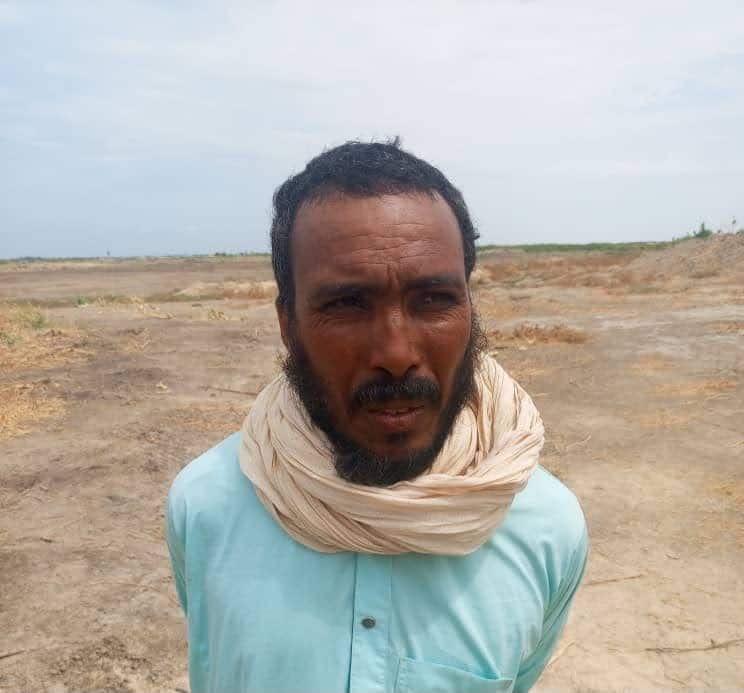
The Nigerian military has recorded what security experts describe as one of its most significant intelligence breakthroughs in recent counter-insurgency operations after troops arrested a foreign suspect believed to be a Moroccan national with alleged links to the Islamic State (ISIS).
The suspect was captured during an intensive military pursuit launched after a failed attack by Islamic State West Africa Province (ISWAP) fighters in Borno State.
The arrest followed a coordinated assault on Cross Kauwa, a community in Kukawa Local Government Area of Borno State, where insurgents attempted to overrun military positions.
However, troops under Operation HADIN KAI successfully resisted the attack, forcing the terrorists to abandon their mission and retreat under heavy military pressure.
Security analyst Zagazola Makama disclosed the development on Tuesday, stating that the military immediately initiated aggressive exploitation and pursuit operations after securing the area.
According to him, soldiers extended search missions along routes believed to have been used by the fleeing insurgents in an effort to prevent their regrouping.
Military sources explained that the follow-up operation yielded important results. Troops reportedly recovered several operational materials abandoned by the terrorists during their escape.
Among the items were high-frequency handheld radios and other communication equipment believed to have played a crucial role in coordinating the failed attack.
The recovered communication devices reportedly became valuable intelligence assets.
Security personnel were able to analyze information obtained from the equipment, allowing them to expand military operations beyond the initial attack location.
The pursuit stretched into parts of the Lake Chad Islands axis before advancing toward Abadam Local Government Area, where the foreign suspect was eventually apprehended.
According to military sources, the arrested individual is believed to be an Arab of Moroccan origin and is suspected of maintaining links with the global Islamic State network.
Although authorities have not disclosed his identity, investigators believe his capture could help uncover the extent of foreign involvement in terrorist activities across Nigeria’s North-East.
Officials disclosed that the suspect had already been under intelligence scrutiny before his arrest. His name reportedly surfaced during forensic examinations conducted on digital materials recovered after the failed Cross Kauwa attack.
One of the key breakthroughs came from a camcorder recovered from the battlefield. Security sources said the device belonged to a terrorist cameraman who was killed while participating in the assault.
The camera reportedly contained video recordings that have since become valuable intelligence evidence.
Counter-terrorism experts note that extremist groups frequently deploy media personnel alongside combat units to record attacks.
Such footage is often used for propaganda, recruitment campaigns, internal assessments and attempts to project operational strength to supporters around the world.
Investigators reportedly worked with international intelligence partners to examine the recovered recordings.
The forensic analysis allegedly revealed visual clues and other information that helped identify the foreign suspect, ultimately leading to his arrest during the military’s extended pursuit operation.
Following his capture, the suspect was immediately evacuated from the operational theatre aboard a Nigerian Air Force helicopter to a secure military facility.
He is currently undergoing detailed interrogation and intelligence debriefing under the supervision of security agencies.
Military authorities are expected to determine the suspect’s exact responsibilities within the terrorist network.
Investigators are examining whether he served as a trainer, strategist, communications specialist, media operative or coordinator for ISWAP and its wider ISIS-linked structure.
Security analysts believe the interrogation could provide critical intelligence on how foreign operatives enter Nigeria, the routes used for cross-border movement, and the channels through which terrorist organisations receive technical support, funding and equipment.
The arrest also reinforces long-standing concerns among Nigerian security agencies that while ISWAP mainly recruits local fighters from communities around the Lake Chad Basin, foreign nationals continue to provide specialised expertise that enhances the group’s operational capabilities.
Previous intelligence assessments have suggested that foreign facilitators from countries including Iraq, Somalia and Morocco have, at different times, supported extremist organisations operating in the region.
Their alleged contributions have ranged from tactical training and explosives handling to communications, propaganda production and strategic planning.
Military officials stressed that investigations into the arrested suspect remain ongoing. For security reasons, authorities have withheld further operational details to avoid compromising ongoing counter-terrorism missions or exposing sensitive intelligence methods.
They added that information obtained during the interrogation may help identify additional terrorist cells, reveal logistics networks and expose cross-border supply routes used by insurgent groups operating around the Lake Chad Basin.
The latest development comes as Operation HADIN KAI continues sustained offensives across Borno State and neighbouring areas.
In recent months, troops have intensified operations aimed at dismantling terrorist camps, disrupting supply chains and denying insurgents the opportunity to re-establish strongholds across the North-East.
Security observers believe that beyond the immediate success of capturing a suspected foreign operative, the intelligence gathered from the arrest could prove more valuable in the long term.
If successfully exploited, the information may strengthen future military operations, improve intelligence sharing with international partners and further weaken terrorist networks operating within the Lake Chad region.
While authorities continue their investigation, the arrest represents another step in Nigeria’s ongoing efforts to combat insurgency and prevent extremist groups from rebuilding their operational capacity in the country’s North-East.