BCOS workers are demanding answers from NLC, TUC and RATTAWU over unpaid salaries, unremitted deductions and concerns about labour representation.
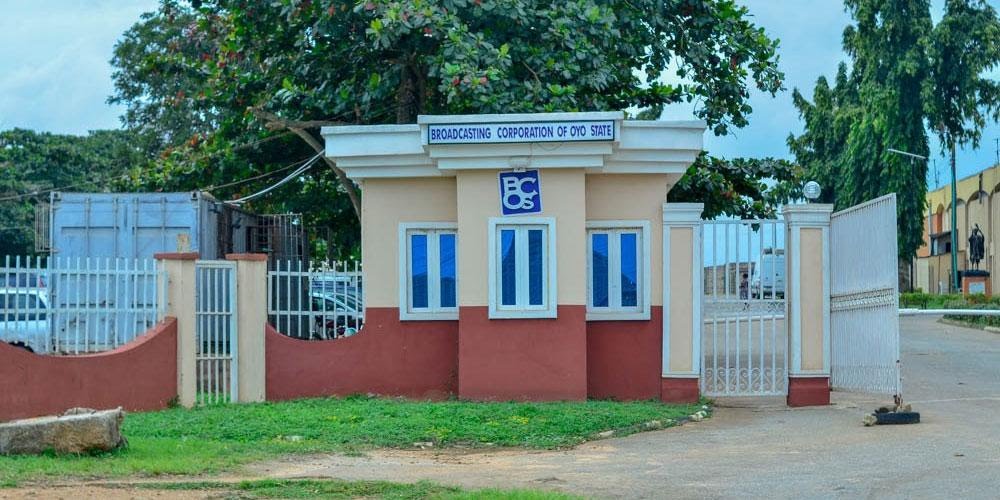
For many workers of the Broadcasting Corporation of Oyo State (BCOS), one question continues to echo through the corridors of the corporation: Where were the labour unions when workers needed them the most?
The primary responsibility of every labour union is to defend the welfare, dignity and rights of its members.
That responsibility becomes even more important when workers are allegedly subjected to prolonged salary delays, unpaid statutory deductions, intimidation, victimisation and other conditions that undermine their livelihood.
Many BCOS workers have expressed disappointment over what they perceive as the silence of the Oyo State chapters of the Nigeria Labour Congress (NLC), the Trade Union Congress (TUC), and the Radio, Television, Theatre and Arts Workers’ Union of Nigeria (RATTAWU).
Their concern is not merely about unpaid salaries; it is about whether the institutions established to protect workers have fulfilled their mandate.
One incident that reportedly left many workers demoralised was the alleged public humiliation of BCOS labour leaders, who were said to have been compelled to prostrate before government officials during discussions over workers’ welfare.
Whether viewed as symbolic or literal, many employees believe the incident represented a painful erosion of the dignity of organised labour.
For a movement built on solidarity, equality and collective bargaining, such an occurrence raised troubling questions about the independence and courage of labour leadership.
Beyond that incident are more fundamental issues affecting workers. Employees have reportedly endured months of salary irregularities while statutory deductions, including contributions to the Oyo State Health Insurance Agency (OYSHIA), remain unpaid according to the concerns raised by staff.
Such circumstances place workers and their families under severe financial and emotional pressure, especially when access to healthcare depends on deductions that have already been made from employees’ earnings.
The Nigerian Constitution recognises the dignity of every citizen. Section 34 of the Constitution of the Federal Republic of Nigeria, 1999 (as amended), guarantees the right to the dignity of the human person.
Likewise, Section 40 guarantees the freedom to belong to trade unions for the protection of workers’ interests.
The Labour Act also places obligations on employers regarding the prompt payment of wages and protects workers from unfair labour practices.
In addition, the Trade Unions Act recognises trade unions as organisations established to protect and promote the economic and social interests of workers through collective representation and advocacy.
Furthermore, the International Labour Organization (ILO) Convention No. 87 on Freedom of Association and Convention No. 98 on the Right to Organise and Collective Bargaining emphasise that workers must be able to organise freely and be represented effectively without intimidation or interference.
These legal and international principles raise an important public-interest question.
If workers continue to experience prolonged hardship, who bears the responsibility of defending them?
If recognised labour unions remain silent in the face of persistent grievances, what confidence can workers have that their rights will be protected?
Labour organisations have historically played decisive roles in defending Nigerian workers against injustice, arbitrary treatment and poor working conditions.
The history of organised labour in Nigeria is filled with examples of courageous interventions that compelled governments and employers to respect workers’ rights.
This legacy makes any perceived inaction particularly difficult for affected workers to understand.BCOS employees deserve answers.
They deserve transparency regarding the efforts, if any, that have been made on their behalf.
They deserve to know whether negotiations have taken place, what commitments have been secured, and why long-standing issues concerning salaries and statutory deductions remain unresolved.
Ultimately, the question extends beyond BCOS. It concerns the credibility of organised labour itself.
Workers contribute to unions with the expectation that those unions will stand firmly beside them during periods of hardship.
When members begin to question whether their unions still represent their interests, confidence in the labour movement is inevitably weakened.
The plight of BCOS workers presents an opportunity for the Oyo State chapters of the NLC, TUC and RATTAWU to reaffirm their commitment to the principles upon which organised labour was founded.
Through constructive engagement, transparency and unwavering advocacy, they can restore confidence among members and demonstrate that no worker will be abandoned in times of need.
For the affected employees, however, one question remains unanswered:If the unions cannot protect their own members from prolonged hardship, unpaid salaries, unremitted statutory deductions and alleged victimisation, then who will?