Pope Leo lung cancer surgery has been completed without complications, according to the Vatican, which reported on Wednesday that the 71-year-old pontiff spent a peaceful night at Rome’s Gemelli Hospital following the removal of the lower lobe of his right lung.
The Vatican said further information about the Pope’s condition would be released later on Wednesday, October 14, as Catholics and observers worldwide await updates on his recovery.
The operation followed a diagnosis of lung adenocarcinoma, the most common form of lung cancer, after doctors discovered a growth during a recent routine medical examination.
Medical specialists removed the lower lobe of the Pope’s right lung in an effort to eliminate all cancerous tissue. The operation reportedly lasted approximately 90 minutes.
The Vatican has not yet disclosed the tumour’s size or whether the disease had spread to nearby lymph nodes, details that are important in assessing the outlook for patients diagnosed with lung cancer.
Pope Leo Health Update: Vatican Reports Peaceful Night
The Vatican’s latest update offered an encouraging initial account of the Pope’s recovery following Tuesday’s operation.
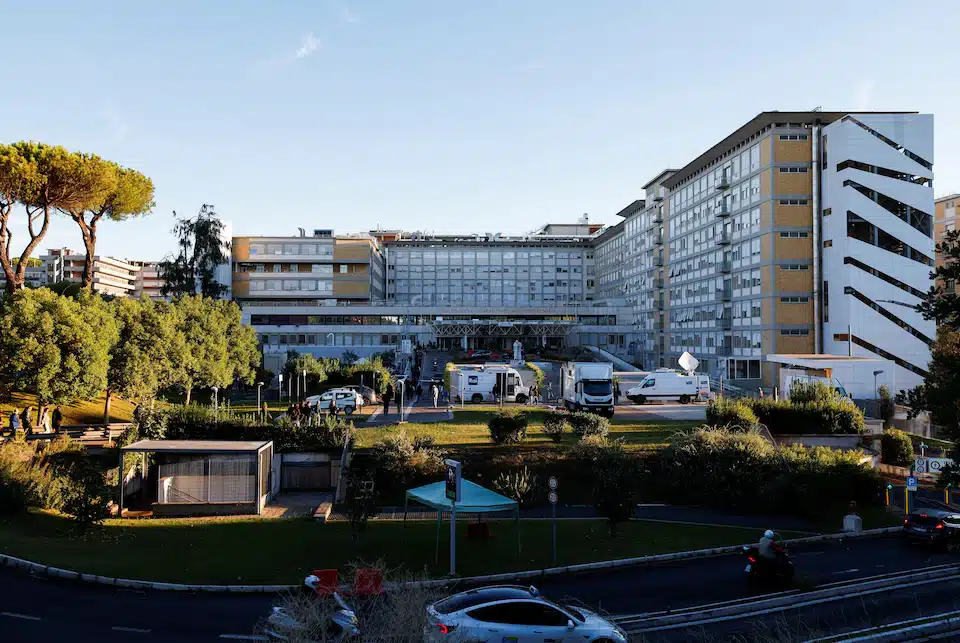
According to the statement, Leo spent a peaceful night in hospital, although officials have not provided a comprehensive assessment of his postoperative condition.
The Vatican indicated that additional information would be made available later in the day, leaving questions about the extent of the cancer and the pontiff’s longer-term recovery unanswered.
The Pope was admitted to Rome’s Gemelli Hospital after doctors discovered a growth during a recent routine health check.
His admission and subsequent surgery have drawn international attention because of his position as leader of the Catholic Church and his responsibilities overseeing its global activities.
The Vatican had previously indicated that Leo was expected to remain in hospital for approximately one week.
All his public engagements have been cancelled until October 20, allowing time for medical care and recovery following the procedure.
Surgeons Remove Lower Lobe of Pope’s Right Lung
The Pope’s lead surgeon, Stefano Margaritora, and his personal physician, Luigi Carbone, provided details about the operation in a joint statement late on Tuesday.
They said the procedure had been completed without complications and that doctors removed the entire lower lobe of his right lung to eliminate the cancerous tissue.
Human lungs have five lobes in total. The right lung contains three lobes, while the left lung has two.
Removing a lung lobe is a surgical procedure used in certain cases of lung cancer, depending on factors including the location of the tumour and the patient’s overall medical condition.
However, the Vatican has not released enough information to establish the precise stage of the Pope’s cancer or determine whether further treatment will be required.
The absence of information about the tumour’s size and possible lymph node involvement means it is too early to draw firm conclusions about his prognosis.
What Is Lung Adenocarcinoma?
Lung adenocarcinoma is a type of lung cancer that develops from glandular cells in the lung. It is the most common form of the disease.
The cancer can occur in people who smoke and in those who have never smoked. Its progression and treatment options depend on several medical factors, including the stage at diagnosis and whether it has spread beyond the original tumour.
In Pope Leo’s case, doctors removed the lower lobe of his right lung in an attempt to eliminate the cancerous tissue.
The Vatican has not publicly confirmed whether the cancer was confined to the removed lung tissue or whether additional treatment is planned.
Doctors generally consider imaging results, surgical findings and laboratory examination of removed tissue when assessing the extent of lung cancer and determining the next steps.
Consequently, further medical information will be important in understanding the pontiff’s condition and what his recovery may involve.
Why Lymph Node Involvement Matters
Lymph nodes are small structures that form part of the body’s immune system. In lung cancer, checking nearby lymph nodes can help doctors determine whether cancer cells have spread beyond the original tumour.
The Vatican has not disclosed whether the Pope’s lymph nodes were affected.
That information, alongside the tumour’s size and other findings from medical examinations, can help specialists establish the cancer’s stage and consider appropriate treatment options.
For now, the public information confirms the diagnosis and the removal of the lower lobe of his right lung, but it does not establish the full extent of the disease.
Further details from the Vatican or the medical team may provide greater clarity about his condition.
Pope Leo Expected to Remain in Hospital for a Week
The Vatican had indicated earlier in the week that the Pope would probably remain at Gemelli Hospital for approximately seven days.
The expected hospital stay will give medical staff time to monitor his recovery following the operation and assess his condition before he returns to his normal activities.
His public engagements have been cancelled through October 20, reflecting the need to prioritise recovery rather than resume his demanding schedule immediately.
The pontiff’s health is significant for the Catholic Church, whose leader oversees religious affairs and maintains diplomatic and pastoral relationships across the world.
However, the Vatican has not announced any permanent changes to his responsibilities or provided a detailed timetable for his return to public duties.
His recovery will depend on his postoperative progress and the medical team’s assessment.
Who Is Pope Leo?
Pope Leo was elected by the world’s cardinals in May 2025, becoming the leader of the Catholic Church.
At 71, he is relatively young compared with some other Church leaders who have occupied the papacy.
He is known to enjoy sports, including tennis, and has not been known as a smoker or as someone who experienced significant recent health problems before the discovery of the lung growth.
The diagnosis has therefore prompted fresh attention to his health, particularly because the operation involved removing a substantial portion of one lung.
Nevertheless, the available information does not establish the cause of his cancer or provide enough evidence to predict the course of his recovery.
Medical updates are expected to be central to public understanding of his condition in the coming days.
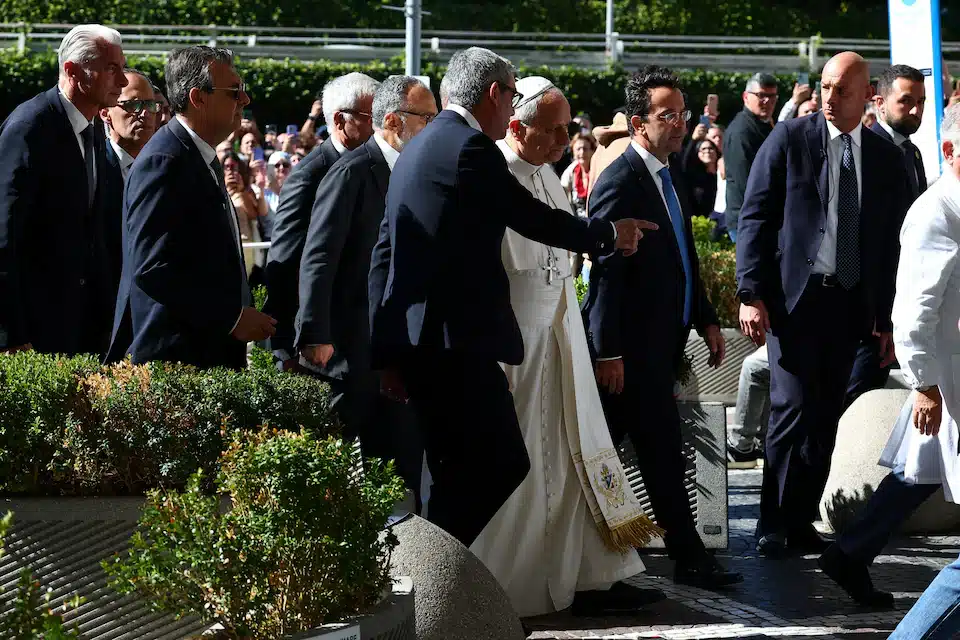
Vatican Awaited to Provide Further Medical Details
The Vatican’s report that Pope Leo spent a peaceful night in hospital provides an initial update after the operation, but important questions remain about the extent of his lung cancer.
The successful completion of surgery without complications is encouraging, although it does not by itself establish that all cancer has been eliminated or that no further treatment will be necessary.
The size of the tumour, possible lymph node involvement and findings from examinations of the removed tissue will help determine the next stage of medical care.
For now, the pontiff remains under hospital care, with his public engagements cancelled until October 20.
Catholics and observers around the world will be watching for the Vatican’s next announcement as the 71-year-old Pope begins his recovery from surgery.